Not to be cheesy but I have nostalgic feelings regarding cheese. Whether it was pouring Parmesan on my pasta, melting american cheese on my ramen noodles (ew), string cheese, or stealing around 10 cheese cube samples from the grocery store, cheese has been a huge part of my childhood. I wrote songs about cheese and even started a “cheese club” with my neighbor Olivia, we were the only members. My love of cheese came to a drastic stop when I discovered I was lactose sensitive and I was going to have to cut dairy out of my life. Every once in a while I miss cheese and use lactaid supplements so I can enjoy some dairy. This is only on rare occasions, and it has to be good cheese, not the processed crap, I mean Kraft.
In my Italian Cuisine and Culture course at school, we had one of the chemistry professors come in and give a lecture on cheese. She taught us about the fermentation process and the basics of the cheesemaking process. I am challenged in the sciences, but I remember her mentioning that once milk is heated, you can choose to add an acid such as lemon juice or vinegar, or an enzyme or protein to the milk to make it solidify in curds. Then you can add salt or age the cheese to your likings. We sampled several cheeses she brought in. Don’t worry, I started with my lactaid supplement, and then tasted mascarpone, taleggio, and solada cheese. I had fun learning about the different ways the cheeses were produced, and the distinctive tanginess that can be tasted in cheeses made from sheep’s milk. I knew I was ready to try out some cheeses on my own.
It is pretty simple to do your own cheese tasting. You can head to the grocery store and purchase cheeses with the official DOP approval and create your own cheese plate. I didn’t trust myself to properly select cheeses and put together a platter, so I headed to Pro’s Epicurean in Cary to have a professionally curated charcuterie plate.
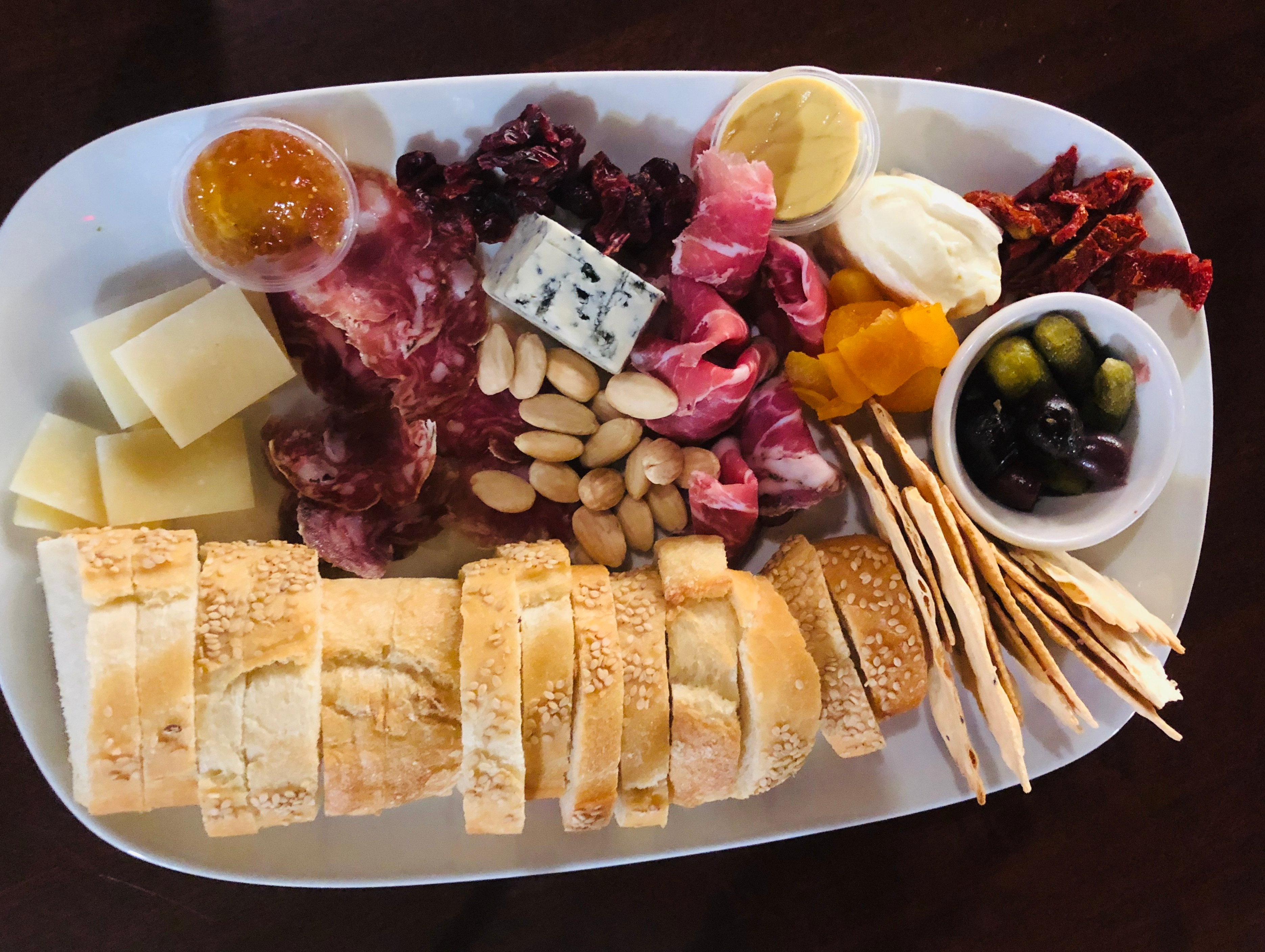
We walked into the serene atmosphere of Pro’s, where you can either go up to the deli counter and order, or be seated. It was the perfect environment to enjoy a charcuterie plate. I chose to get a 5 item plate and chose a 3 cheese to 2 meat ratio, and requested that the cheeses and meats be Italian as opposed to French or Spanish. We gotta keep with the Italian theme here people. Our lovely waiter was informed that I would be writing about the different cheeses so he kindly wrote the names and brands of all the meats and cheeses on a piece of receipt paper. He got a nice tip!
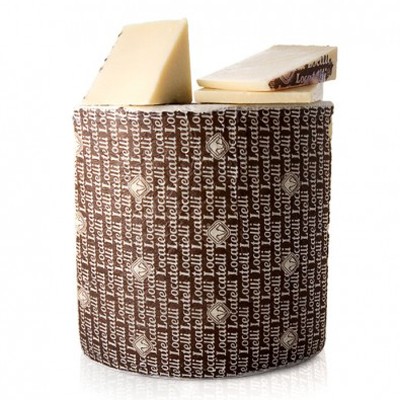
The first cheese on the plate was Locatelli Romano cheese. I knew on first bite that this was a sheep’s milk cheese due to the tangy flavor. The cheese was dry and had a salty flavor that pairs nicely with the apricot preserves on the plate. This was definitely my favorite cheese on the plate, and I appreciated that it was served in small slices.
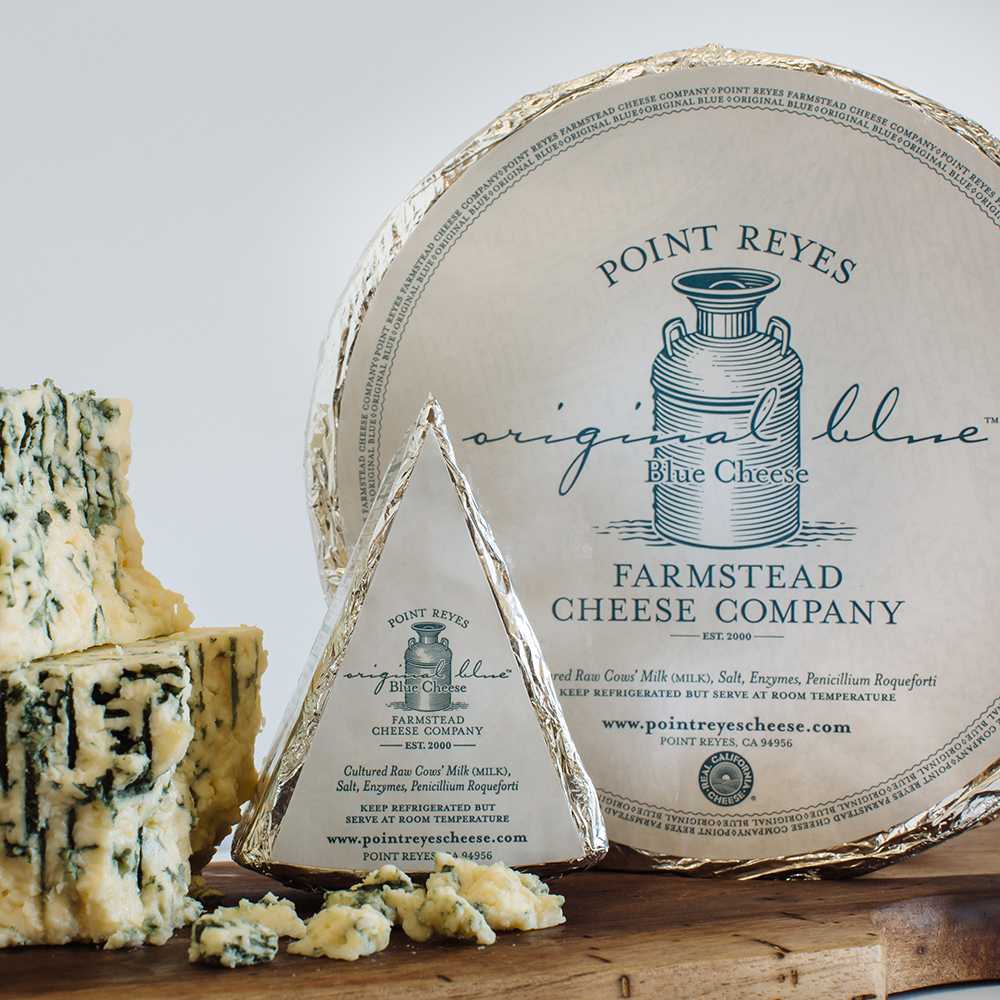
My second favorite cheese, and the next one on the plate was the Point Reyes Blue Cheese. It was served in a block and surprisingly had a buttery consistency when you cut the block, instead of crumbling like I had expected. This blue cheese had a strong flavor and was very salty. Blue cheese is made with an enzyme added to the milk, thus creating that distinct blue cheese smell. You either love it or hate it I guess.
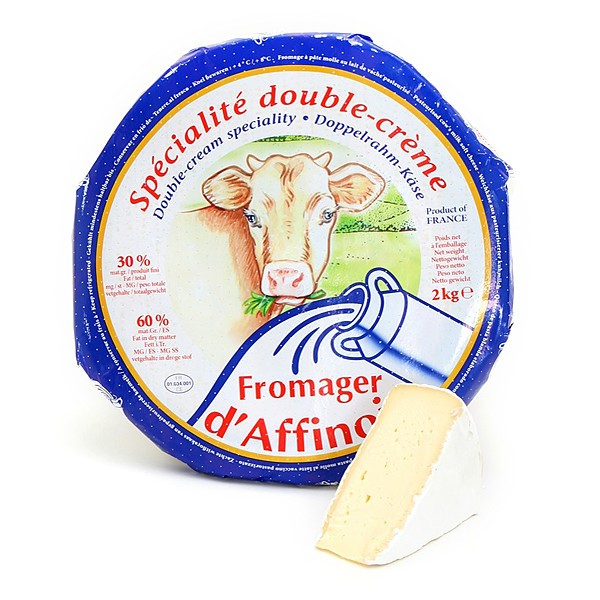
The last cheese on the plate was d’Affinois double cream brie. It was very mild and light for a brie, which I appreciated. Some bries can be too much for me. The cheese spread so easily on the bread and crackers, and was very buttery with a slight salty taste. Thankfully it did not have that moldy brie aftertaste!
Even though this blog is dedicated to cheese, I didn’t want to leave out the lovely meats on the plate. If you eat meat, then it is always a crucial component to a charcuterie plate. The circular sliced meat was a sweet sopressata which is a dried pork cured salami that originates from Southern Italy, and is made from ground pork sausage placed in a casting. The other meat, Coppa, also called capocollo, is a dry cured pork cold cut made from the muscles of the pig, making it similar to prosciutto. Both meats were fantastic and full of flavor!
Cheese is something that can be overlooked, and not everyone understands the science and process of cheesemaking. You don’t have to go through the process of making your own cheese to appreciate it, but deepening your understanding of cheese flavors and types can broaden your enjoyment of cheese. As Olivia and I said in our “Cheese Club” pledge, “you must try as many types of cheeses as you can, no matter what the cost, to prove your love of it!”. I highly recommend going out for a charcuterie tray or doing your own cheese tasting, and take time to mindfully taste and compare the flavors.
 Caroline's Blog
Un altro Blog molto interessante. Complimenti, Caroline!
LikeLike