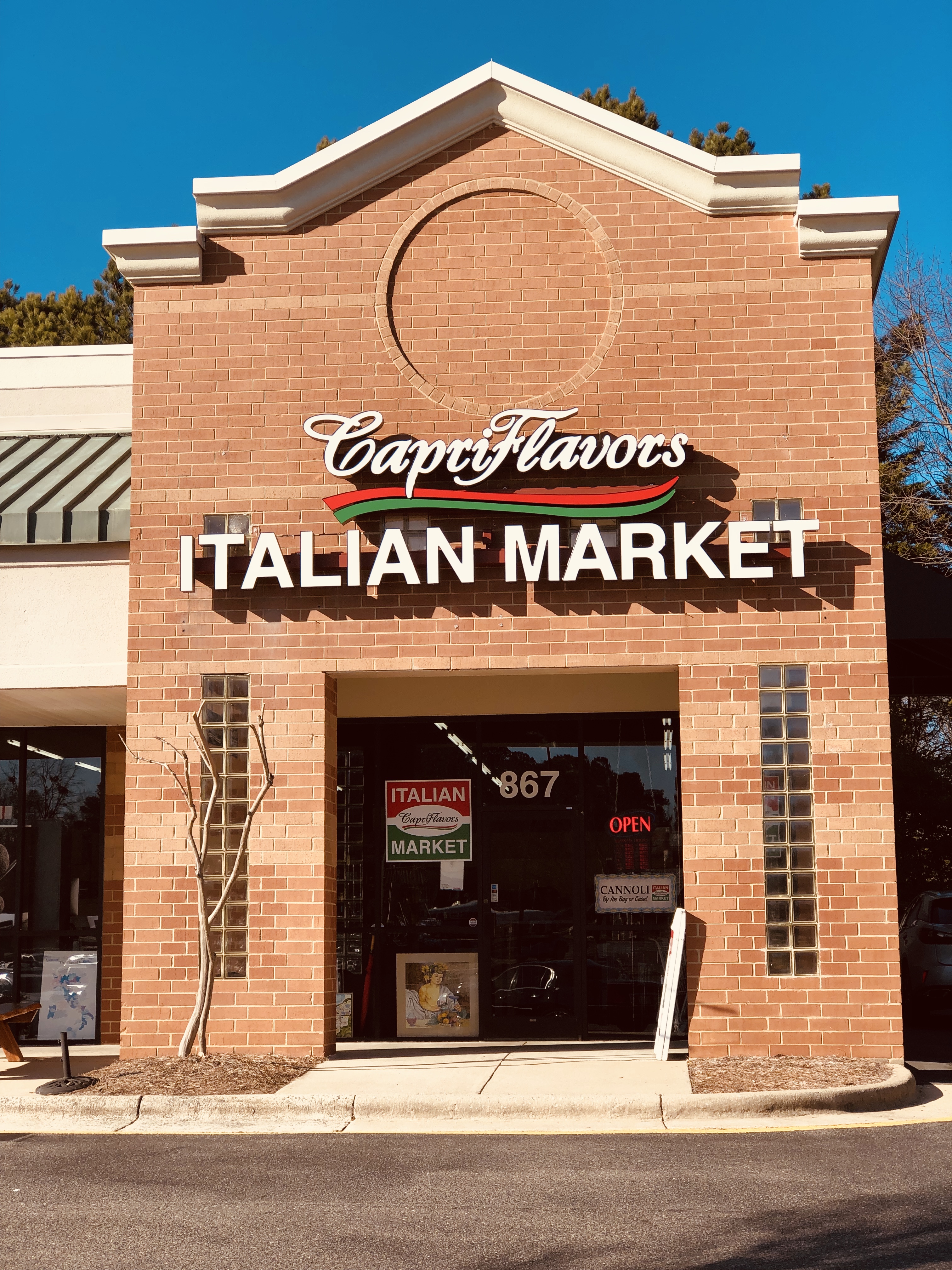
Over the weekend I decided to take on the task of making pasta from scratch. The recipe I chose was for Tagliatelle Verdi, or green tagliatelle noodles. Unsure of the type of ingredients or what type of approach I should take to pasta making, I headed over to Capri Flavors Italian market. Capri Flavors has recently moved to a new location that happens to be two minutes from my house. Each time I go in I am greeted by one of the owners, Costanzo Vuotto, an older Italian man. The first time I went to Capri Flavors, Costanzo told me he did not speak English. “Non parlo inglese signorina,” was Costanzo’s response when I tried to ask where ditalini pasta was. After several more visits I have become more comfortable shopping there, and now know the story of Capri Flavors. The owners are a wife and husband duo, Titina and Costanzo Vuotto. Both are from the Italian island of Capri, known for it’s beautiful scenery and delicious food. Titina and Costanzo’s families have a long heritage of cooking and they continued the tradition in Capri. Their love for entertaining and teaching others to cook led them to the southern United States, and now the lucky residents of the triangle get an authentic Italian food experience at Capri Flavors.
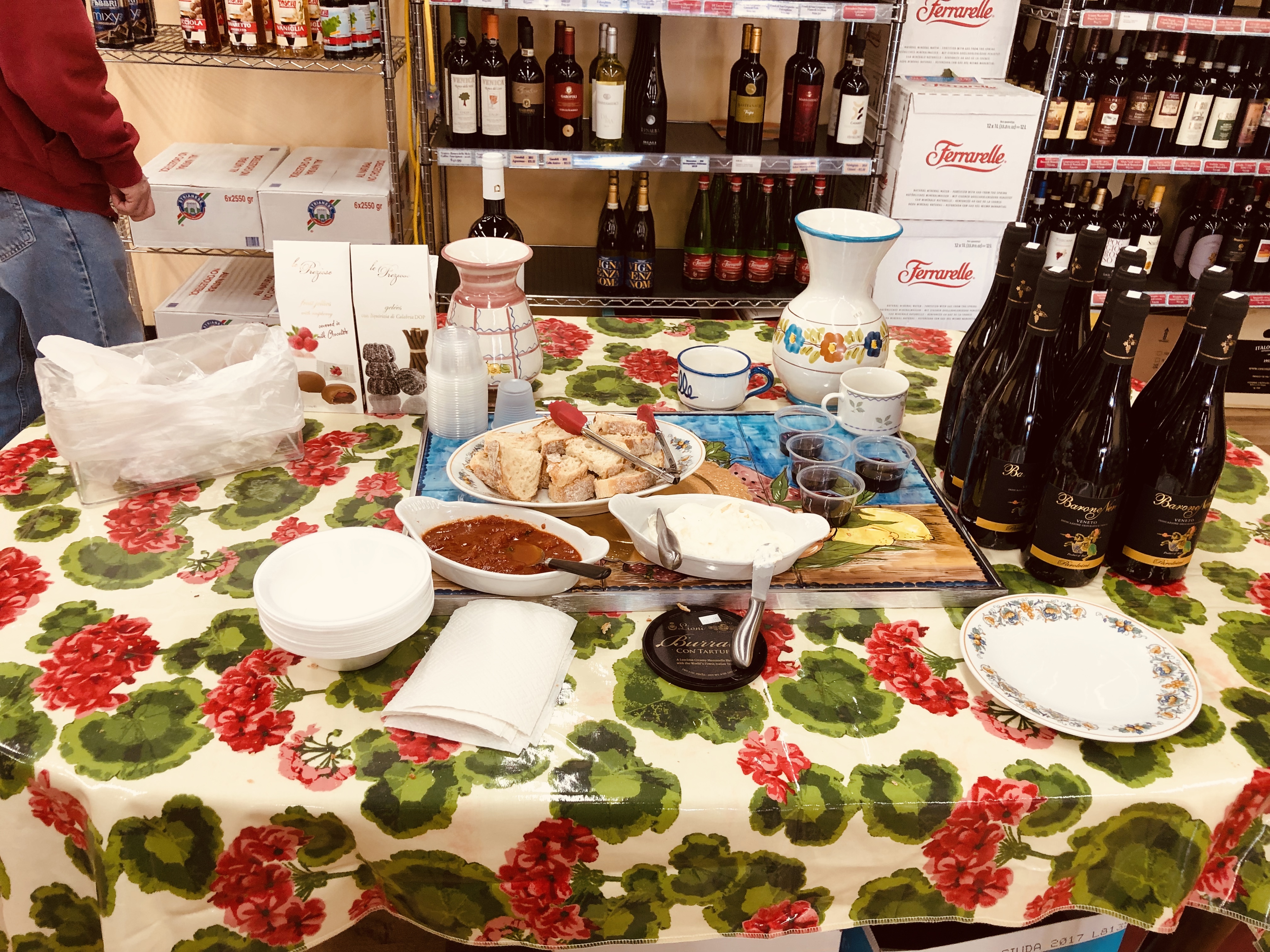
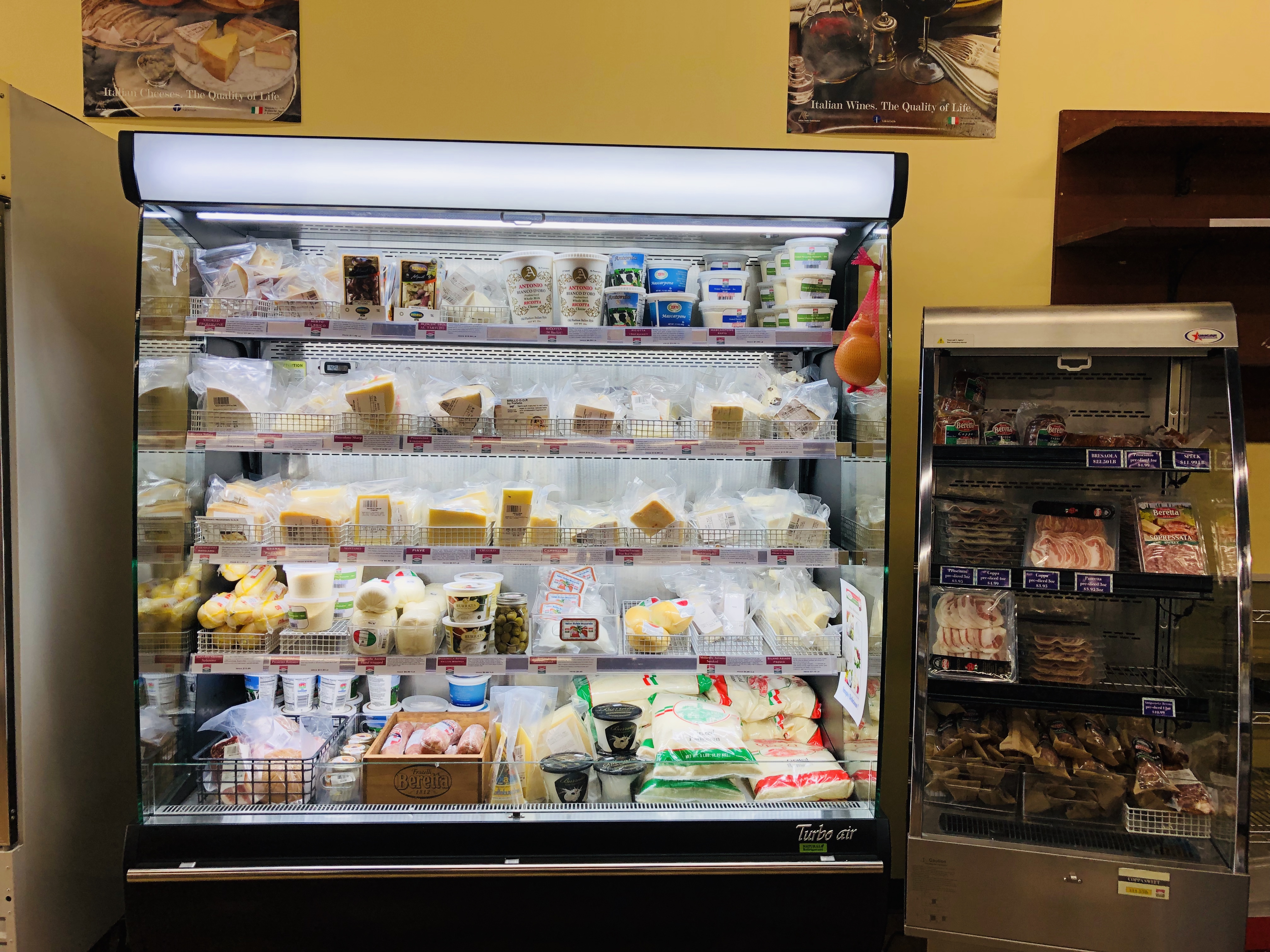
Whenever I visit the store they always have a new display and are adding new items. On Saturday when I walked in they had a fancy new candy display, Italian playing cards, espresso mugs, and tons of truffles. I had prepared and translated a list of questions to ask Costanzo, such as, “che tipo di farina?” or “quanti minuti ho impastare la pasta?”. He was sitting at his desk to the left when I walked into the store. I figured I would leave him be for a little while before getting his assistance. I get excited everytime I go to Capri Flavors. You rarely see this much authentic Italian food and products anywhere in the triangle! I did laps around the store looking at the wide variety of olive oils, cheeses, meats and pastas. They have many premade pastas and sauces you can buy, cooked by the one and only Titina. The homemade pastas are gorgeous, made by an experienced hand. They also have a selection of packaged pastas as well. Capri Flavors has many types of espresso, but it is mostly from the brand Lavazza. Even though I am not yet 21, I went to take a look at the wine selection. In the middle of the wine area there was a beautiful spread of bread, tomato sauce, and fresh mozzarella. There was also little cups of wine from Venice, but I decided to only have bread with the fresh tomato sauce. The delicious crispiness of the bread and the freshness of the pomodori (tomatoes) gave me the courage to approach Costanzo with my questions.
I walked up to Costanzo with my list and timidly mumbled, “scusi”. Costanzo came over to look at my tagliatelle recipe. I began to tell him I was making tagliatelle, I said “io cucina…”. Costanzo cut me off and began asking me about tagliatelle in English. “You are making tagliatelle verdi?” Costanzo asked. I was shocked that Costanzo was speaking perfect English, after telling me he couldn’t speak English months earlier. At that point I felt relief that I would be able to speak with Costanzo in English. He showed me premade tagliatelle verdi they were selling in the store, trying to save me from the process of cooking my own. I had to explain to him that I wanted to make the tagliatelle from scratch. He showed me some nice flours to use for the dough that they carried in the store. I ended up purchasing Caputo flour, tipo “00” which was suggested to me by Costanzo. When I began to ask him about the pasta making process, he admitted that his wife Titina does all the cooking. He pulled out his cellphone and called her to ask about tagliatelle, and then he handed me the phone and walked away. He was a trusting man. I listened as Titina told me the amount of flour (2 cups), eggs (1 egg), and spinach (1 bag) that go into the dough. She told me that once the ingredients were incorporated into the dough that it would be ready to go through the machine (which I don’t have). I thanked her, hung up, and searched for Costanzo to return his phone.
My little Saturday shopping spree at Capri Flavors was an adventure. I feel so fortunate to have an Italian market right by my house with such a rich variety of Italian foods. Going there is always magical for me! Even though I only purchased a bag of flour on this trip, I learned how to make tagliatelle pasta from scratch, and it didn’t taste half bad!
The front of Capri FlavorsA small spread in the wine aisle. The bread was delicious!Molti formaggi!
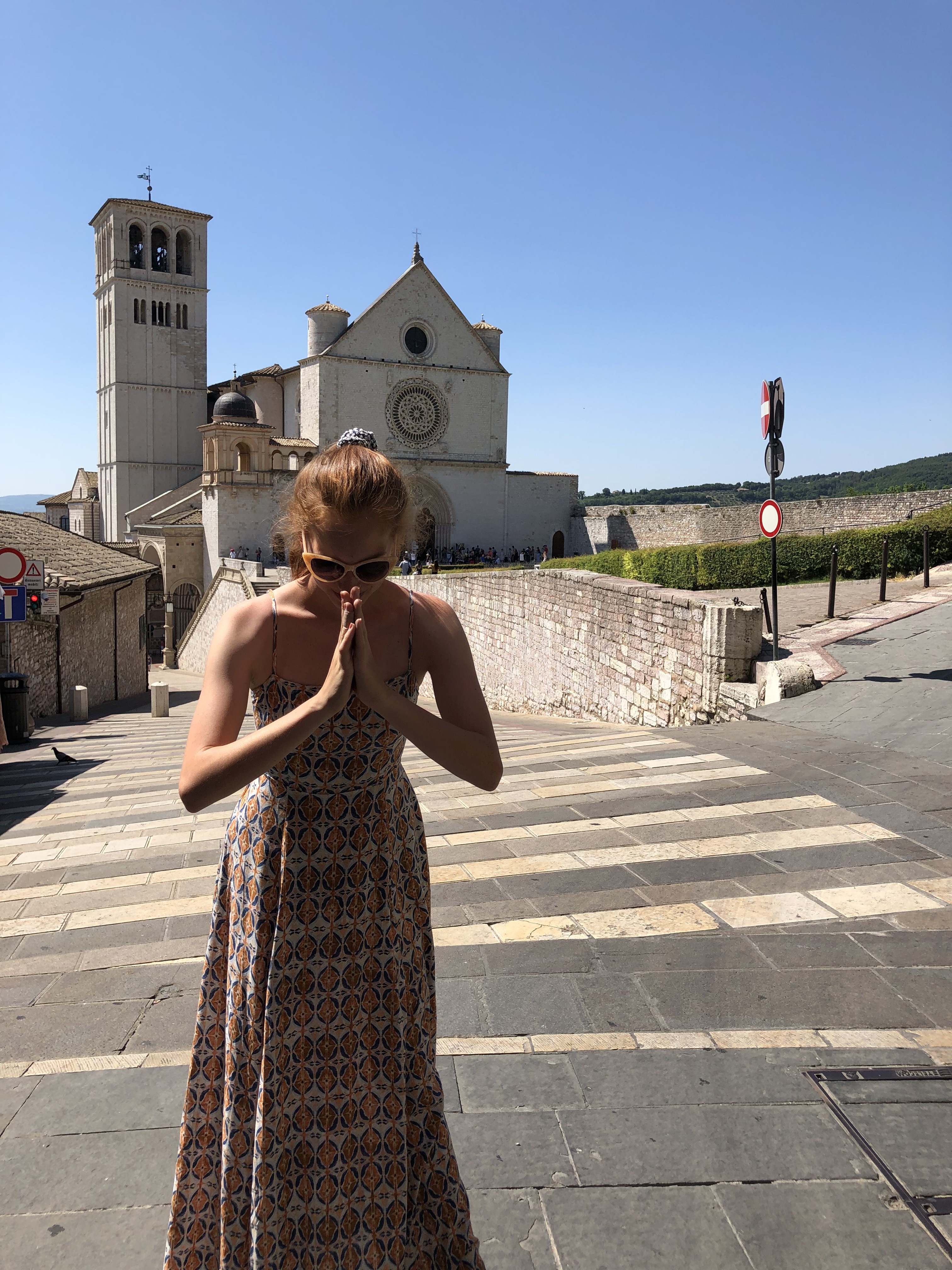
We rode the heatwave from Sansepolcro to Assisi. Our day in Assisi began with a visit to the Basilica of San Francesco. The sun was pounding on us as we marched up the hills to the church. Getting to see the high and low churches, “Giotto’s” frescoes of the Life of Saint Francis, and Saint Francis’ tomb was different than I had expected. I didn’t expect the low church to be as ornate as the high church, and I was surprised at how many tourist groups were there. The church looks larger in photos, and I was expecting the nave to be much longer than it was. My head hurt from arching my neck to view all of the frescoes along the ceilings! The tomb of Saint Francis was very crowded, not the actual tomb, but the room around it. I saw a box entitled “Letters to Francis” where people could write to him like Juliette up in Verona, and that made me cringe. I just wasn’t getting the ~spiritual vibes~ there. It wasn’t until Santa Chiara that I had a spiritual experience.
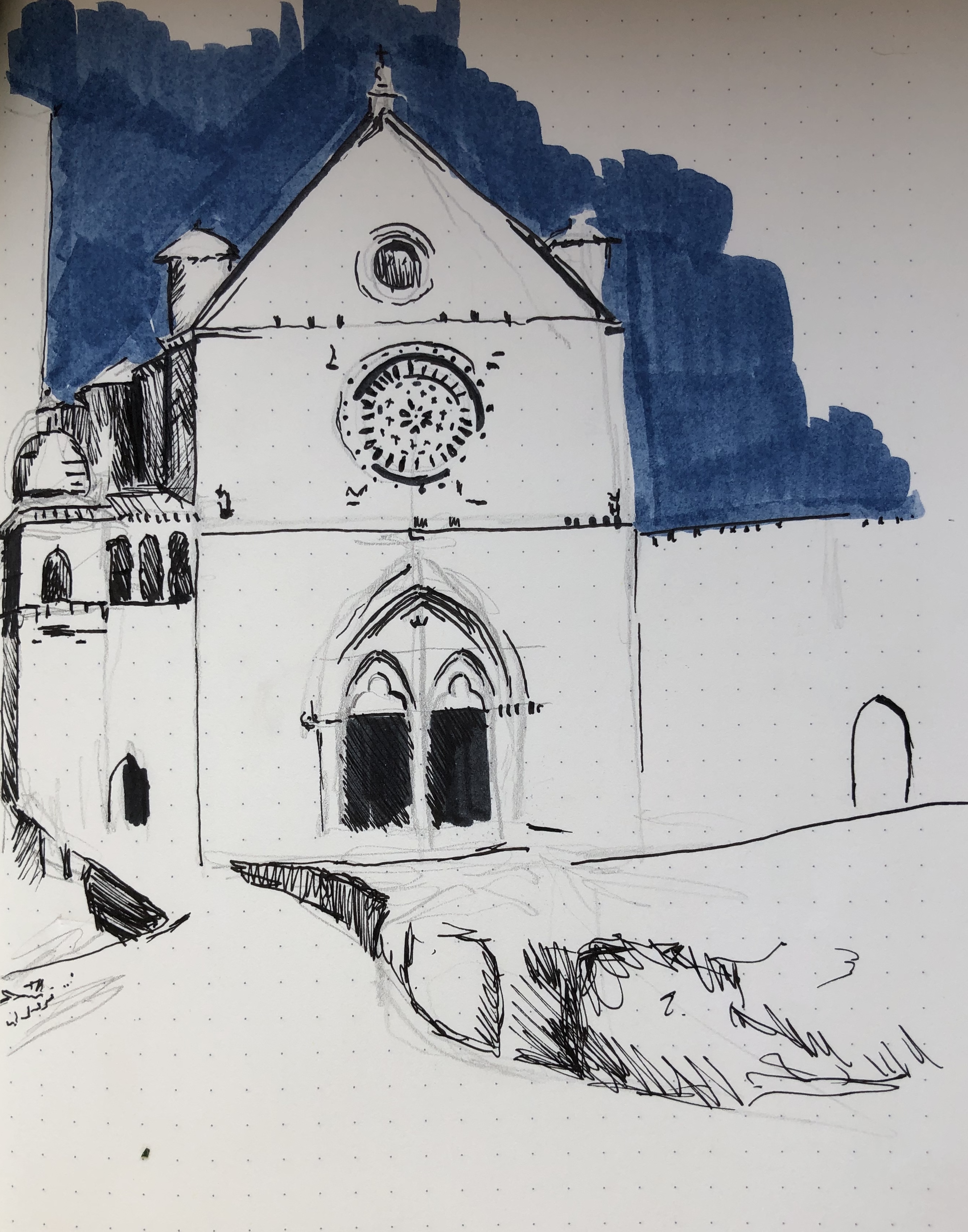
A quick sketch of the Basilica
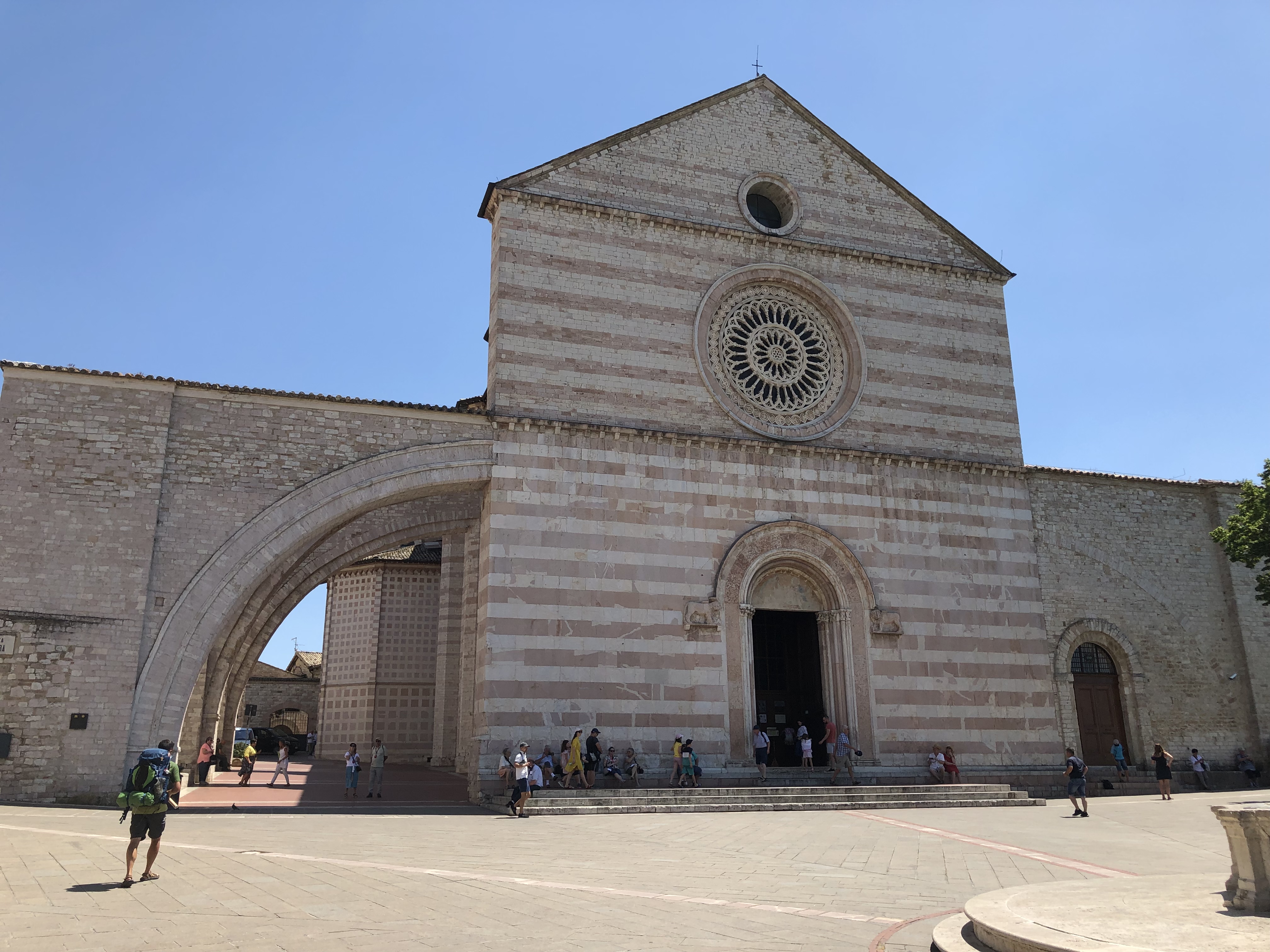
La Basilica di Santa Chiara, built of majestic pink and white stone bands, faces The Basilica of Saint Francis which is located on the other side of Assisi. Before the Basilica of Santa Chiara was built, the Church of Saint Giorgio was on that land, and that is where Saint Francis was originally buried in 1226. A very important piece of art that is housed in Santa Chiara is the Byzantine Crucifix that St. Francis prayed to. In an article about the Basilica’s history from sanfrancescoassisi, it is said that when the Clarissa’s moved in to the Basilica from San Damiano, they brought the Crucifix with them, and that is why it is so well preserved today. Grazie Clarissas.
The exterior of Santa Chiara is simple, similar to the exterior of the Basilica of San Francesco. The pink and white stone stripes are limestone from Subasio. There is one rose window on the facade, and on cathopedia the three orders of the church are described as “flying buttresses”, which weren’t added until 1351.
The structure of the Basilica’s interior consists of one nave, and two chapels that spread sideways. On assisisantachiara, the apse of the nave is described as polygonal, similar to the upper church of San Francesco. The two chapels are called Sant’Agnese d’Assisi and San Giorgio, and the chapel of San Giorgio is where the Crucifix is now located, with several frescoes from the 1340s located behind it. At the main altar there is a shaped cross, and in the left transept there are lunettes of the old testament, a “table with the life of Saint Chiara”, and Giotto’s nativity fresco. We noticed that many of the frescoes around the altar were gone, or had peeled away. According to assisisiantachiara, the crypt downstairs was not built until the 1850s, which is when Saint Clare’s body was found. Then the crypt was renovated in 1935, in a Neo-Gothic style.
Santa Chiara was the highlight of Assisi for me, and I almost can’t believe the experience I had in the San Giorgio chapel. We didn’t walk in there until after we viewed the crypt, which was slightly odd, and saw the remains of the altar frescoes. When I stepped into the chapel it became silent, and a large group had just left and the front pughs had opened up. Sometimes I get anxious about where to stand or be in museum settings, but my feet guided me to a seat in the front row. I became entranced by the Crucifix, and how simple and delicate it was. Thank God the Christ figure didn’t have those weird balloon abs that I saw on many of the Crucifixes in the Uffizi. Saint Francis had good taste. I could identify the beauty and meaning he found in the Crucifix, and I thought about how Francis would feel about the basilica down the street in his honor. My final consensus was that he would have loved the church from an artistic standpoint, but despised it from the religious one. There is no way to truly know how he felt, but it’s fun to think about.
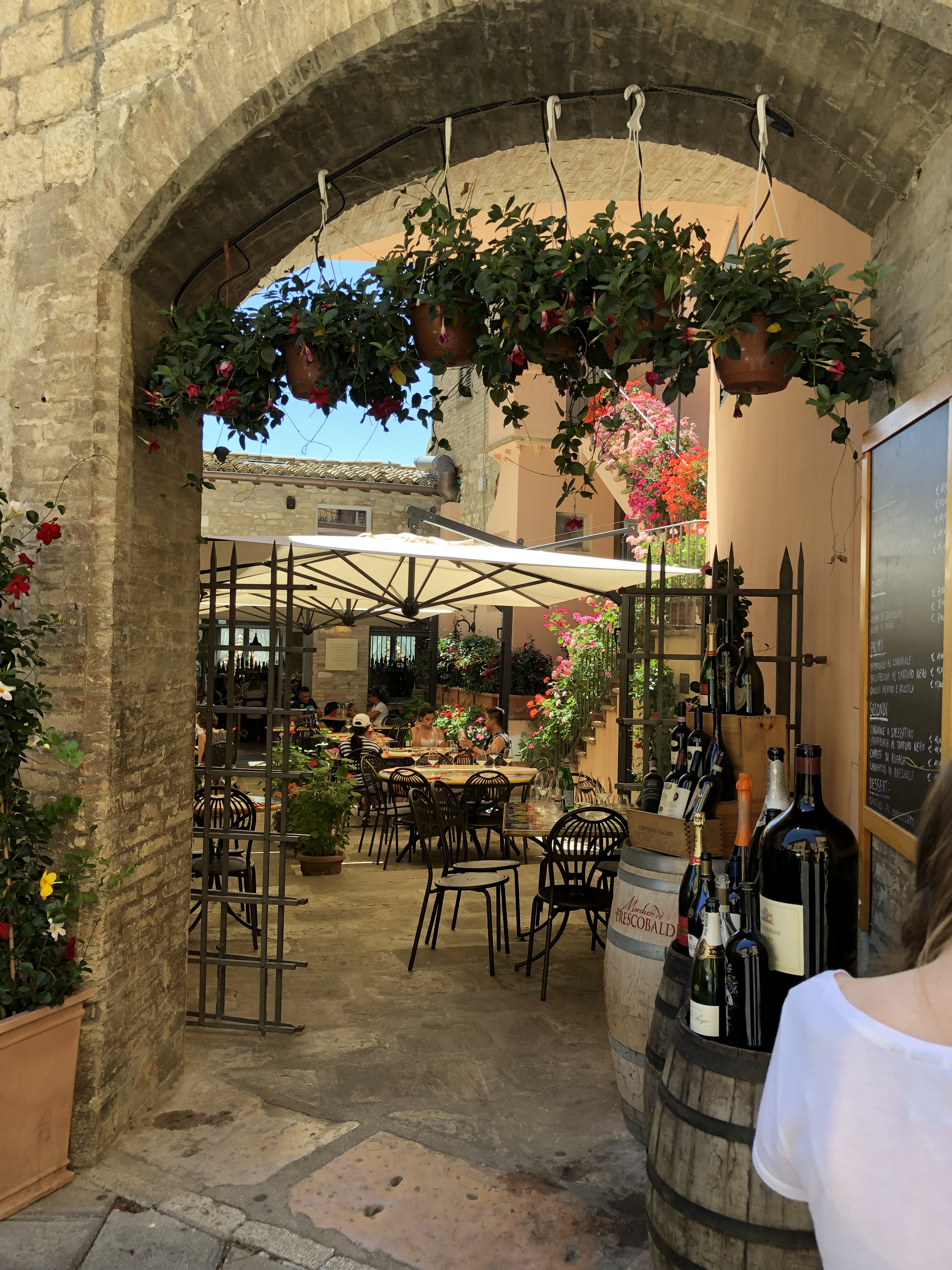
We finished our day in Assisi with lunch in a little outside garden of a restaurant that specializes in wine and olive oil. I messed up when ordering my wine. It’s not my fault that this is the only restaurant that had Amarone or Barolo I have found on the whole trip, even though we were in Umbria. The waitress pressured me into ordering an Umbrian wine, which was still very good. Also, I didn’t realize only one person at the table tastes the wine before it is served, oops! Mi dispiace. After lunch we strolled through the Temple of Minerva, a Roman Temple turned Baroque house of the Lord, and then saw the Roman Forum and walked along the streets of Assisi from the days of the Roman Empire. The street level of Assisi used to be a lot lower, but I am sure the hills were just as steep.
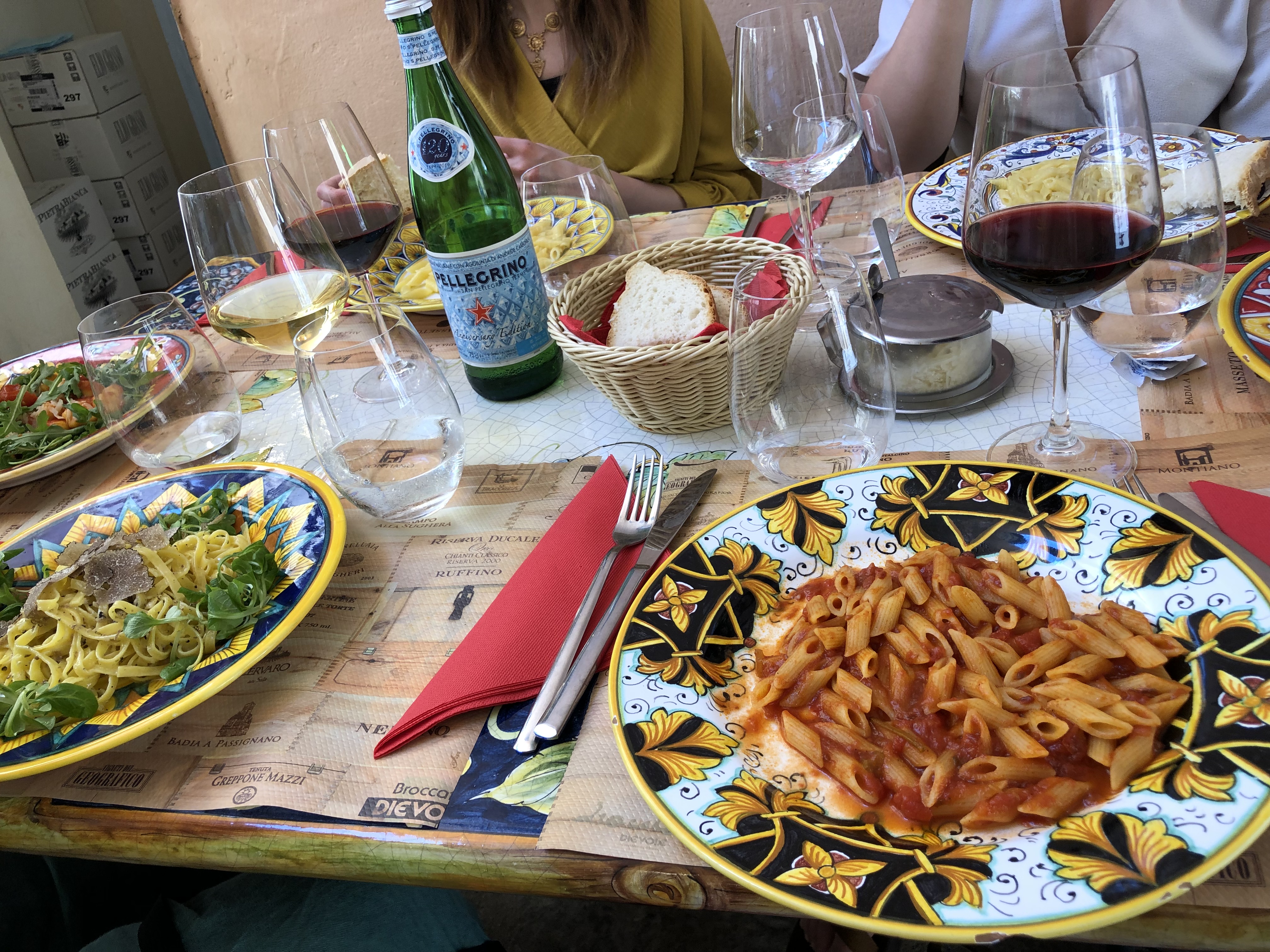
Look at those plates!
It was an excellent day in Assisi, but my poor calves were happy to return to Sansepolcro.
It was time to hit the road and travel independently again. This time I decided to tag along with some amiche, and go a little more south. Not tip of the boot south, but we traveled to Rome, Naples, and Capri.
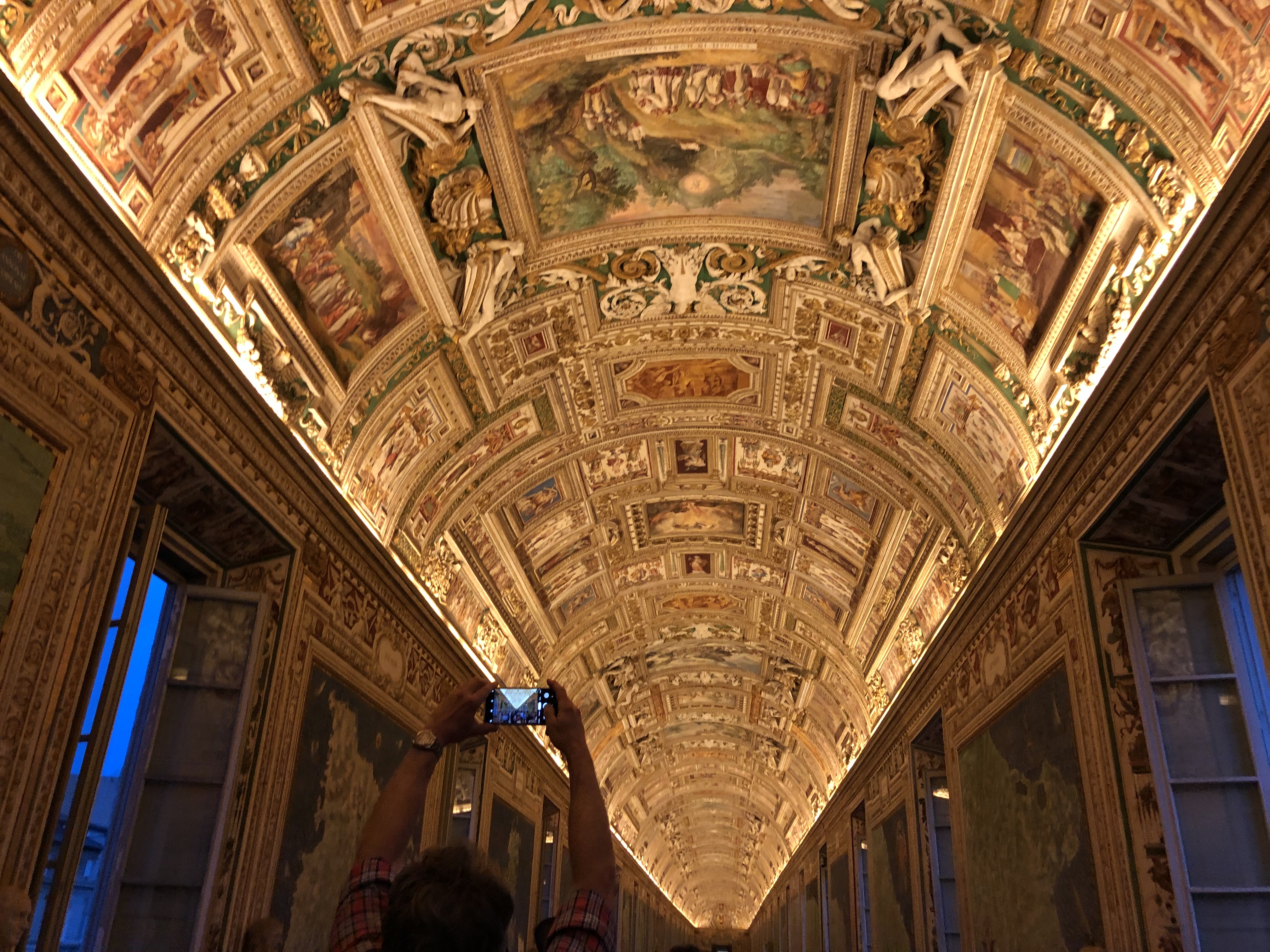
Our journey to Rome was the most simple, a quick train ride and suddenly we were at the Rome Termini train station. We chose to immediately use the metro system in Rome to navigate our way to our AirB&B, even though we had no clue what we were doing. None of us felt comfortable using the bus system, and I have used the tube in London and the Metro in DC, so I felt the most comfortable going that route. It was really simple to figure out, and our group was able to relax and use our intuition to navigate through the station. Bemi was in charge of booking our AirB&B and it was wonderful, and only a ten minute walk from The Vatican. The first night we got night tickets for the Vatican Museum and The Sistine Chapel. I wasn’t sure that the night tour of the Vatican would be enjoyable, after all most people see it during the day, and that is how I saw it my first time in 2017. Now I would never consider going during the day again (unless the sculpture garden was the focus of the trip). The crowds were tiny, the evening breeze swept through the windows, and the ceilings and walls glowed. We got to stand in the Sistine Chapel for a good ten minutes, looking up and discussing Michelangelo’s work. There was no one ushering us out like last time I was there, so we ended up kicking ourselves out. It was a magical evening in the Vatican, and it filled my heart with joy to see my friend Sarah so excited to see the Sistine Chapel!
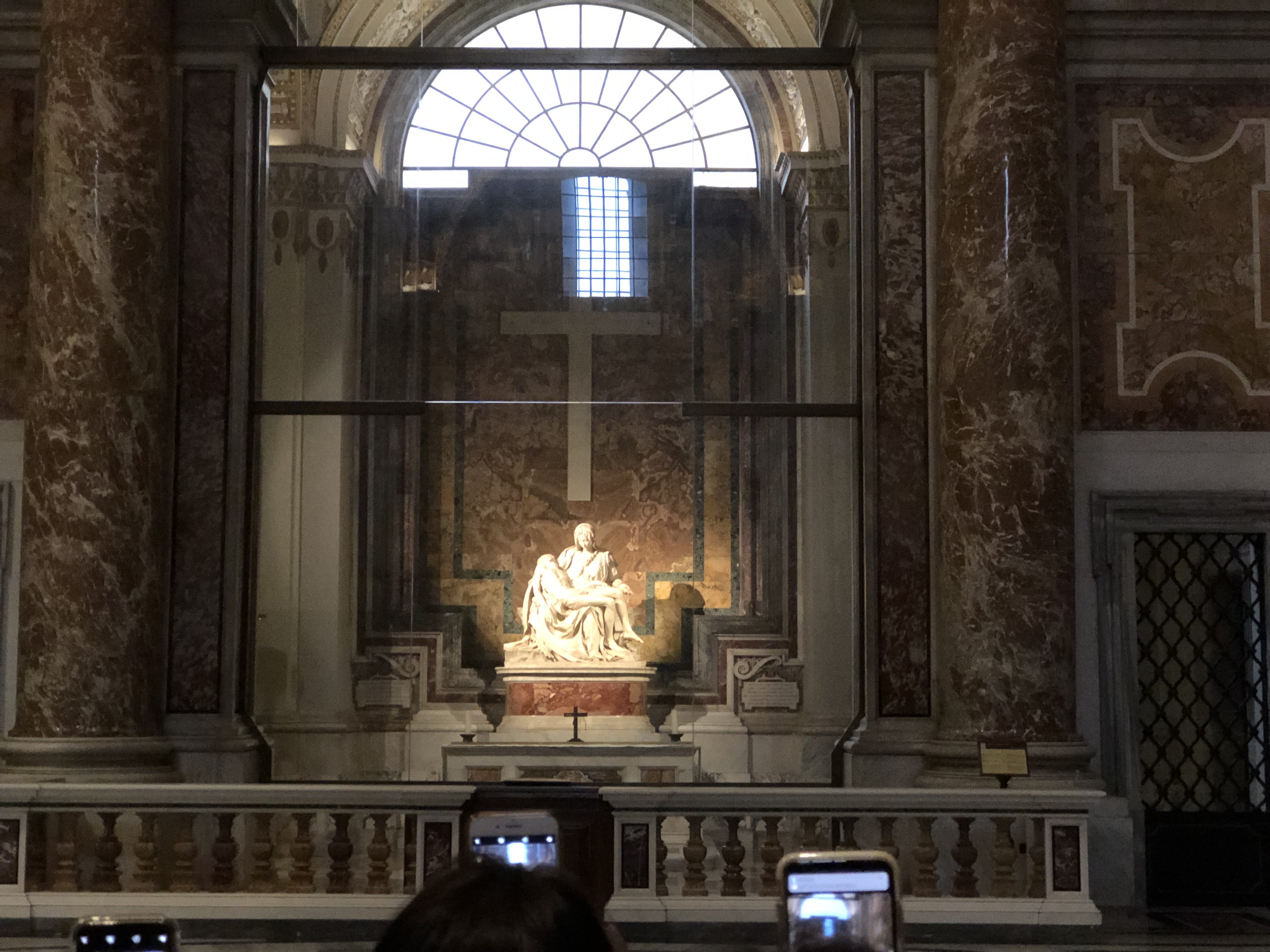
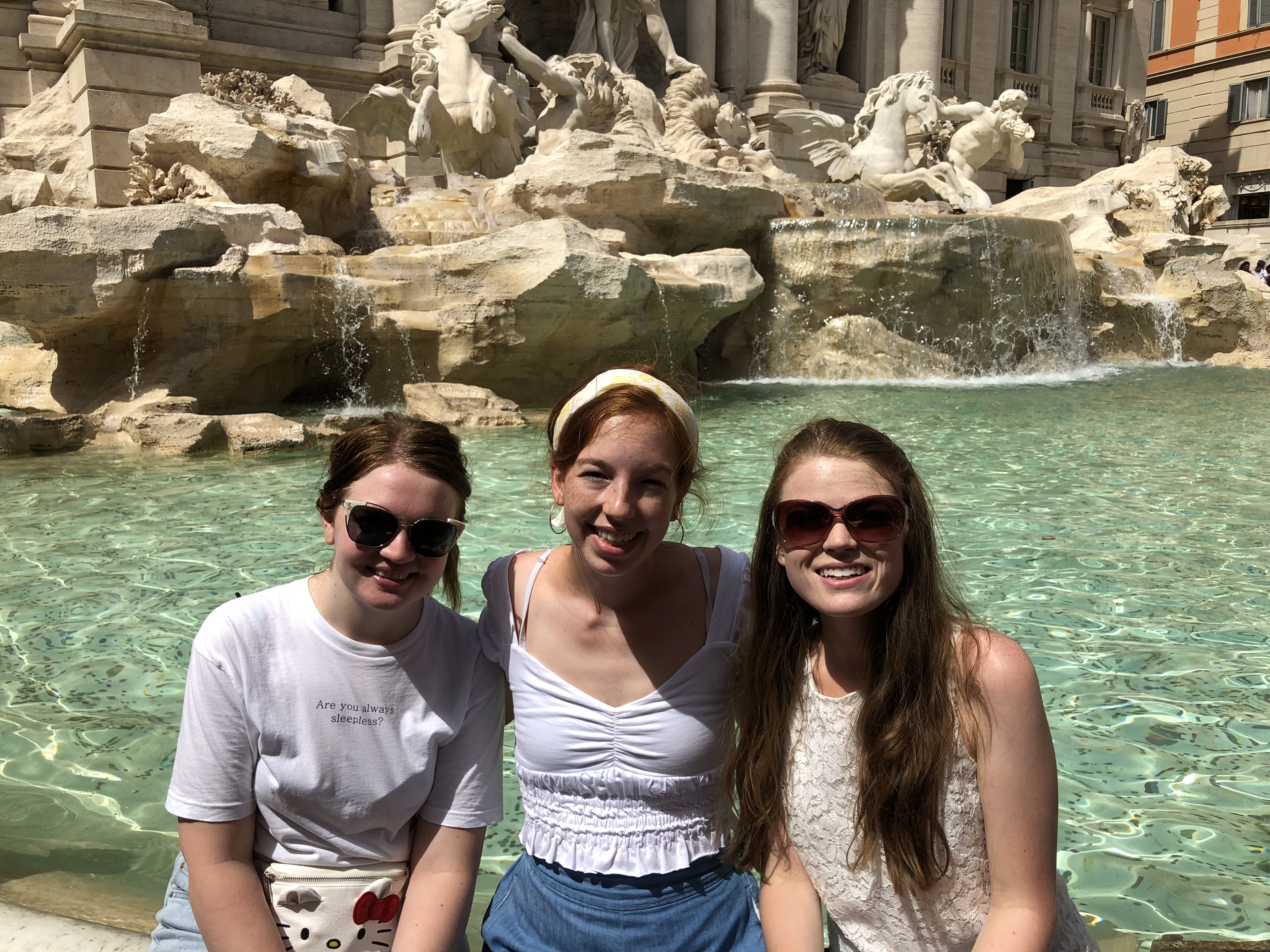
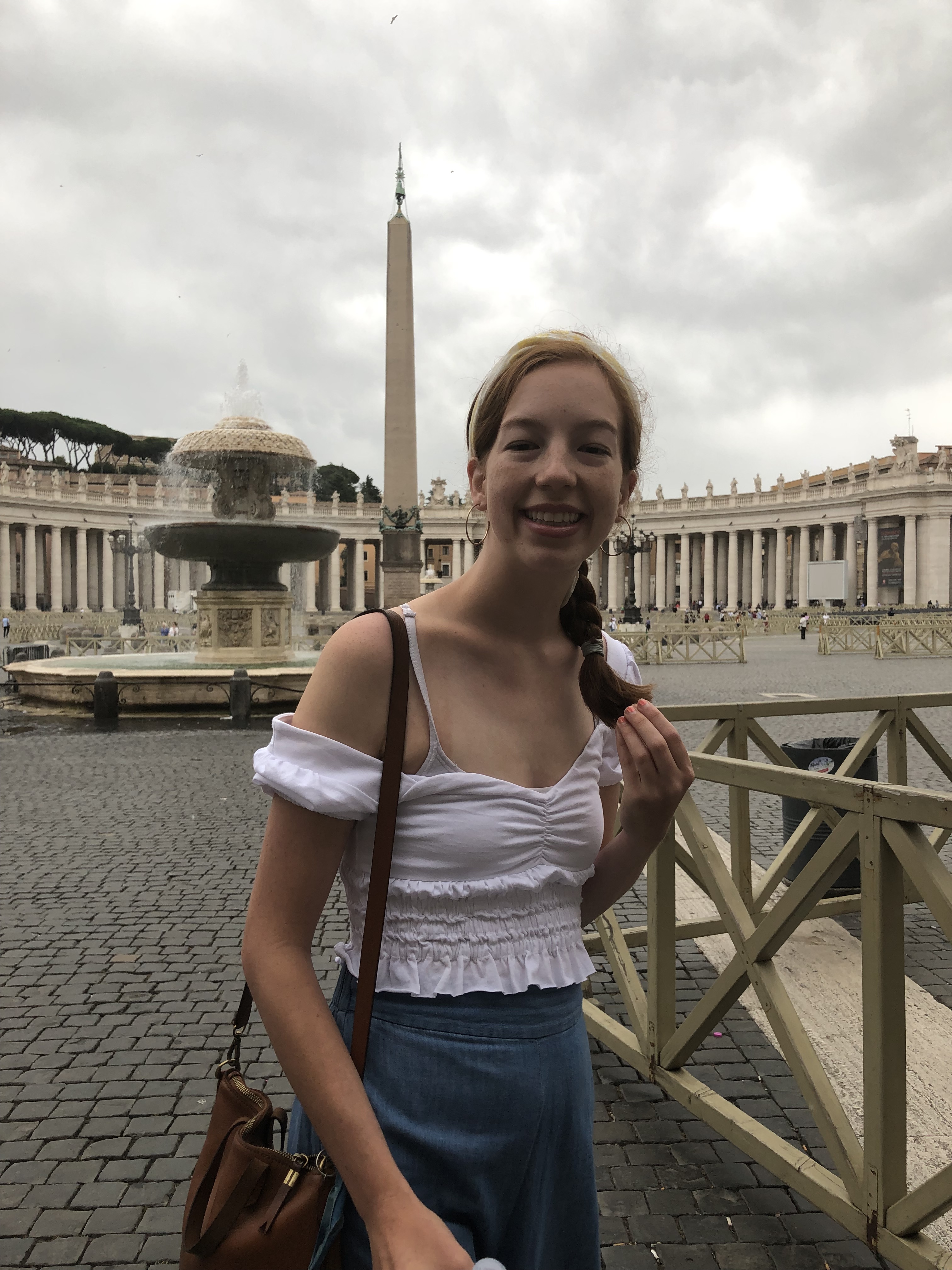
The next day, our last day in Rome, was off to a bumpy start. Our stomachs hurt from our first vegan meal in Italy, and we were sleep deprived from travel. Only three of the four of us made it to Saint Peter’s Basilica. Luckily we only had to wait for about 15 minutes in line to get in, but we did get rained on. We had Bernini’s colonnade wrapping its arms around us, keeping us safe. To me, Saint Peter’s Basilica was a special and emotional experience. This was the second Pieta of Michelangelo’s that I had seen on this trip, and I was sad to see that this Pieta, the one that Michelangelo had wanted the world to see, was now displayed at a safe distance from the public, and behind bullet proof glass. The idea that someone would attack this piece filled me with sadness. The concept of Michelangelo’s struggle and journey with the Pieta reminded me of the hardships of being an artist. Knowing that I am not alone in my perfectionism and struggle to improve as an artist is reassuring and sometimes emotionally overwhelming. After Saint Peter’s we headed to the other side of the river, and strolled along the Colosseum, the Forum, and “The Wedding Cake”. Because the metro stops close to the Trevi Fountain and San Maria della Vittoria were closed, we did a lot of walking throughout Rome. Yes, Rome is walkable, but just because you can see your walking destination in the distance does not mean it is close.
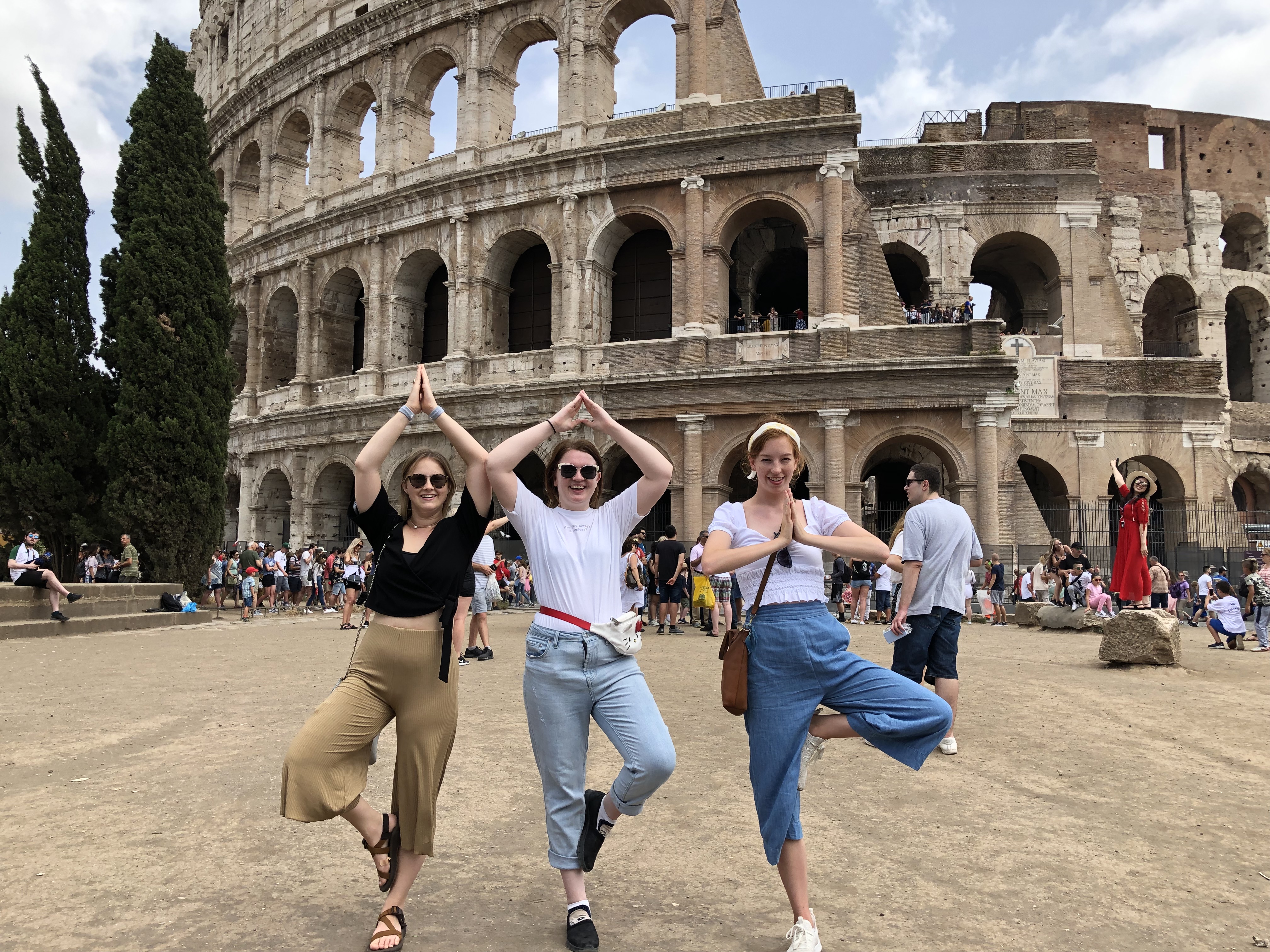
The Pieta, so close yet so far Practicing yoga in front of the Roman Colosseum
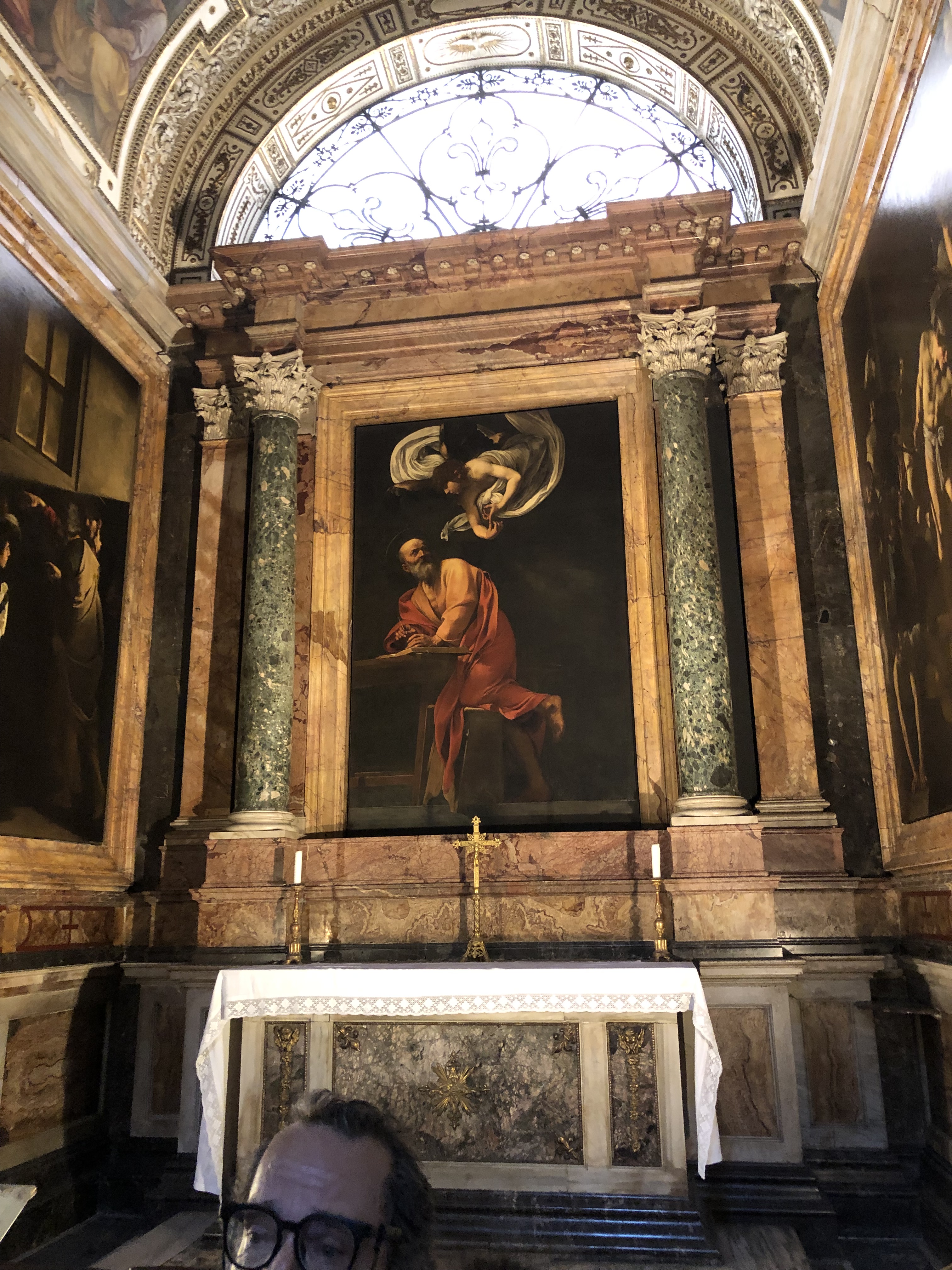
Rome has many churches, molti chiesi, filled with treasures and important commissions. In San Luigi dei Francesi, or the church of Saint Louis of France, are Caravaggio’s paintings of St. Matthew’s life in the Contarelli Chapel. The Basilica was built in 1518-1589, with the purpose of welcoming the French community into Rome. There was already a church on the land called Santa Maria which was owned by the Medici family, but Pope Clement VII wanted a new church to be built for “the seat of his cardinalship” and for the French in Rome. Catherine de Medici, who was married to King Henry II of France, helped fund the project up until her death. Pope Clement VII hired Giacomo della Porta to design the plan for the basilica. Giacomo della Porta designed the church at the top of the Spanish Steps. Then Pope Clement VII hired the architect Jean de Chenevière to build the church. The building of the church hit some bumps in the construction process. Sacred-destinations said that “Construction of the church was halted in 1527, when Rome was sacked by troops of the Holy Roman Emperor, Charles V” and that construction did not resume until 1580 with a new architect, Domenico Fontana. The church is dedicated to Louis IX of France, who is their patron saint. The facade of the church is made of carved marble and features the coat of arms of the Valois Family, and carvings of important French figures and symbols. The inside of the church is a rectangular, basilican plan, and over time became adorned in ornate, french decoration. The ceiling according to sacred-destinations is one of “the richest and most ornate coffered ceilings in Rome.” Going into the church was overwhelming due to the excessive decor on the ceilings. I was distracted by all of the sculpted golden flowers and delicately carved marble ceilings. When we finally made it to the Contarelli Chapel, some lovely human had paid for the lights to turn on and I finally saw “The Calling of Saint Matthew” and “The Inspiration of Matthew” in real life. Caravaggio did an amazing job of lining up the light from the chapel’s window with the light shining on Christ as he calls Matthew in :”The Calling of Saint Matthew”.
“The Inspiration of Saint Matthew”, before the lights you have to pay for went out!
12 miles later, we had covered a lot of Rome. We even fit in some incredible gelato, pesto pizza, we “met” Pinnochio (even though he is from Firenze), and sent letters home from the Vatican. May I add that I sassed a “tour guide” who kept asking us if we wanted a tour of the Coliseum, and got him off of our tail. Ain’t nobody got time for that.
I have a new appreciation for Rome after staying there a second time. Every street seems to have a different “vibe” to it, yet it all fits into a cohesive city. Maybe it was the vespa’s, or maybe Rome’s timeless charm.
I look happy because I was!
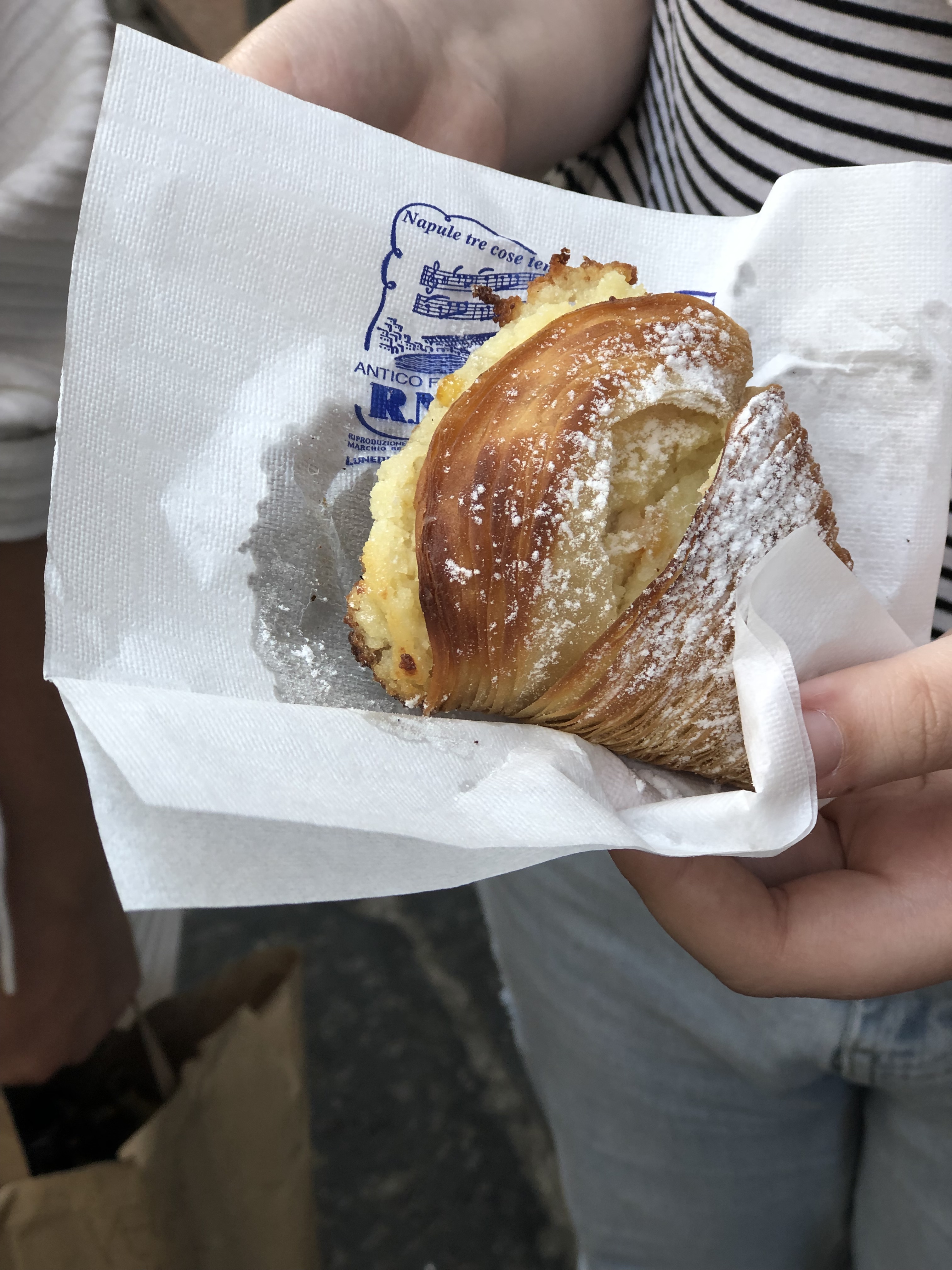
When you are young and restless, the strain of constant travel and transport doesn’t seem as gruelling. You could even throw in the adjective naive, but my ego doesn’t appreciate that one. We managed to get from Rome to Naples to Capri in one day, and we stayed positive nearly the whole time. At 8:30 am we rolled into Naples, making a beeline for the nearest sfogliatelle shop, which was recommended by one of the only white men I trust, Rick Steves. Though the men who served us weren’t the most polite, the sfogliatella was life changing. No croissant will ever live up to the spiral of crisp pastry dough that melted in my mouth, and no filling will be as good as the rich custard inside. The sugar high only got me so far. Our trek to the Museo Archeologico was scenic, and not in a good way. I learned in Naples that even if a jack hammer has been taken to a road and a fence is marking off a street, you can still drive through it. I had hoped we would walk along the famous street of presepi, or nativity scenes, on our route, but instead we smelled a lot of urine, and may have seen human feces. The walk was all uphill, but we endured it. We wanted to see Naples because we wanted to see Italy, and even though that stretch needs some TLC, we weren’t scared. You could tell that even the people living on this stretch of Napoli were proud, and this was their home. Vesuvious won’t scare them out, and neither will a mountain of trash.
Buona sfogliatella!
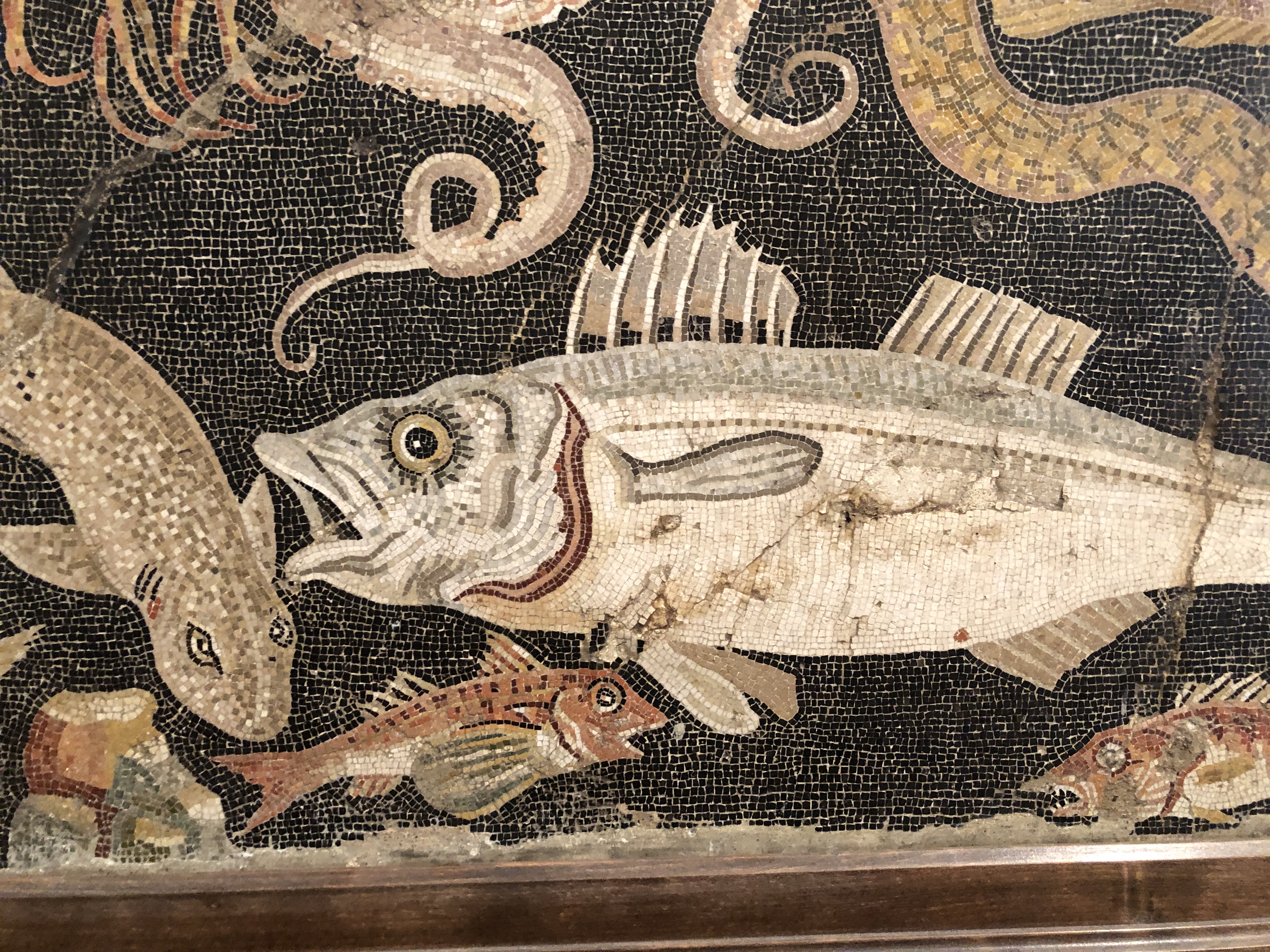
The Museo Archologico was huge. Sometimes I forget that Pompei was a luxury vacation spot, since most of the photos you see of it are ruins. We were in awe at the excessive Farnese Collection of garden sculptures and the intricate mosaics that were the size of frescoes. Of course I will never forget the erotic room, and my main take away is admiration for the openess the people of Pompei had about “taboo” topics. The Museo Archologico comes neck and neck with the Uffizi Gallery for the largest collection of art I have seen in Italy. It was worth the hike we had to take to get up there!
A close up of one of the mosaics I enjoyed in the Museo Archologico
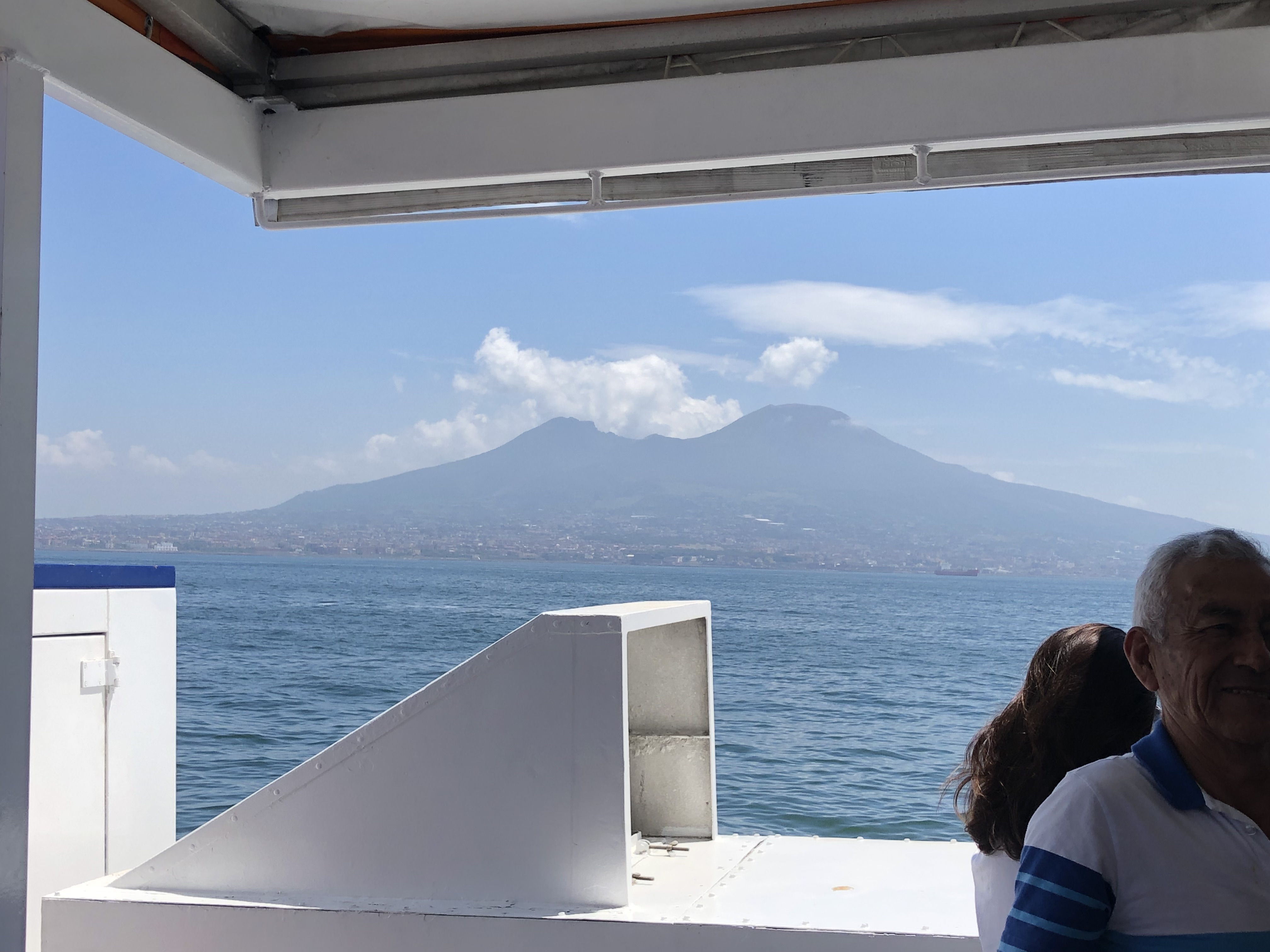
To spare our feet some pain we metroed to the Port of Naples, and discovered how ill prepared we were to take a hydrofoil to Capri. Again we had to trust our intuition to guide us to our next destination. Before actually sailing to Capri, I thought there was probably a rickety shack at the Naples port that said “hydrofoils to Capri”, where we could load onto a tiny boat to the Island. I was far off base. The area leading up to Molo Beverello where we purchased tickets was chaotic. There were street vendors everywhere, there were hundreds of different ships docked, and the sun was intense. We had to ask for a lot of help, but we managed to purchase tickets for the next ferry, which we had just arrived in time to catch. I enjoyed seeing Naples shrink as we pulled away, and seeing Mount Vesuvius in real life has been a dream of mine since I was little. I knew that the Napoletanoes are stubborn about leaving their homeland, even though Vesuvio could erupt again, but I didn’t realize how high up the mountain homes really were. We made some friends on the hydrofoil and escaped purchasing ugly Capri baseball hats that were up charged 3 euros than on land (according to the man beside me). When we arrived to Capri we knew we had entered paradise. We sadly had to wait for two hours for a bus up to our apartment, and regretted not budgeting in a taxi ride up. I thought we had blown it, and our one day in Capri would be wasted in a bus line. I told myself it was stupid of us to try and do such a quick trup to Capri, we had made a rookie mistake. Then I realized it was okay because we were waiting for a bus IN Capri, IN paradise. This is how people truly live in Capri, not everyone has the privilege of a taxi or a private boat tour, and many locals in Capri don’t own cars and must take the bus. We were present in the moment, and the wait for the bus was worth it, because that was a wild ride. Our bus would maneuver the switchbacks of Capri with only an inch between us and the bus on the other side of the road. Bus drivers in Capri are true artists.
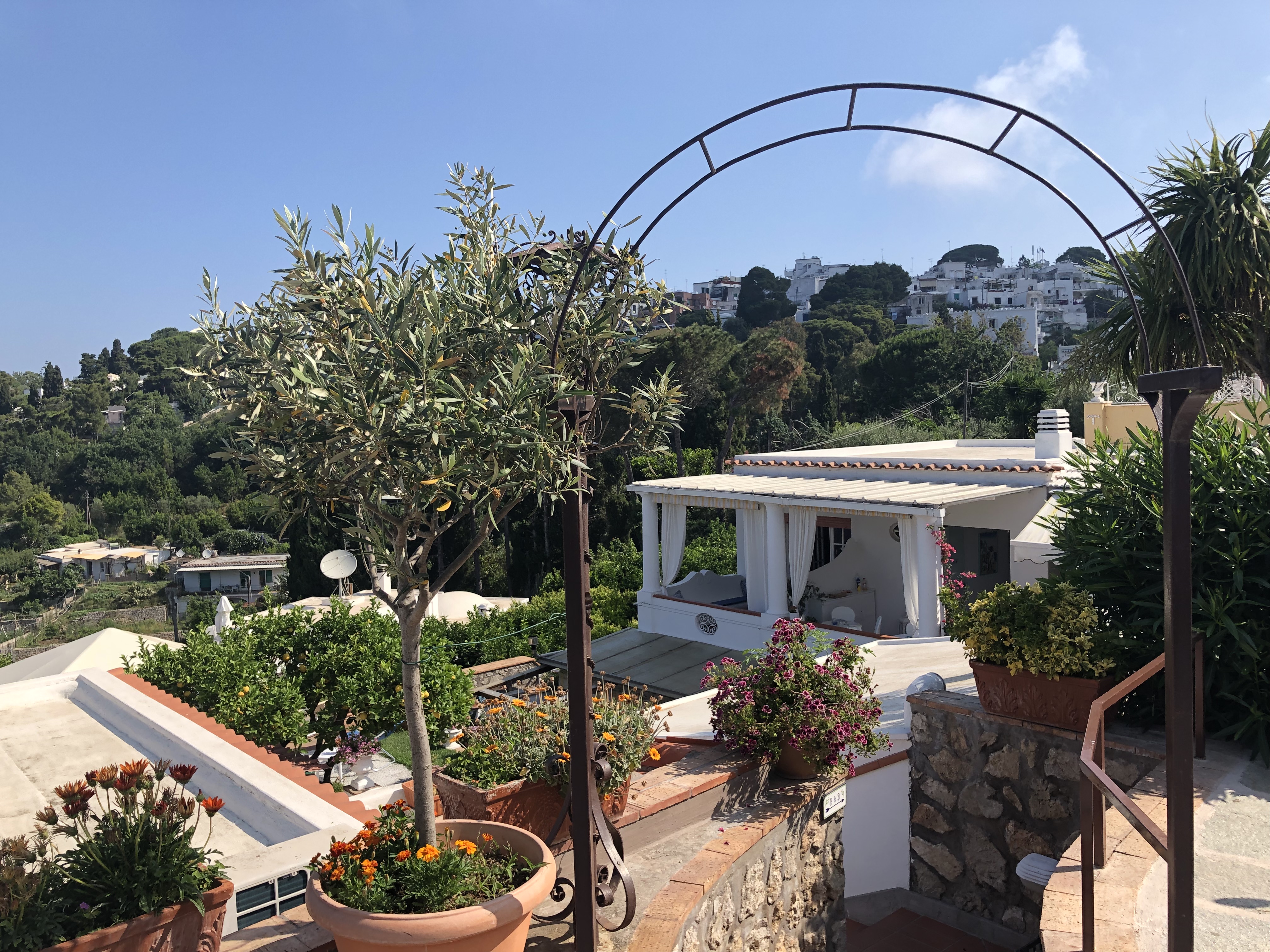
There it is! Mount Vesuvius!The gardens connected to our apartment in Ana Capri
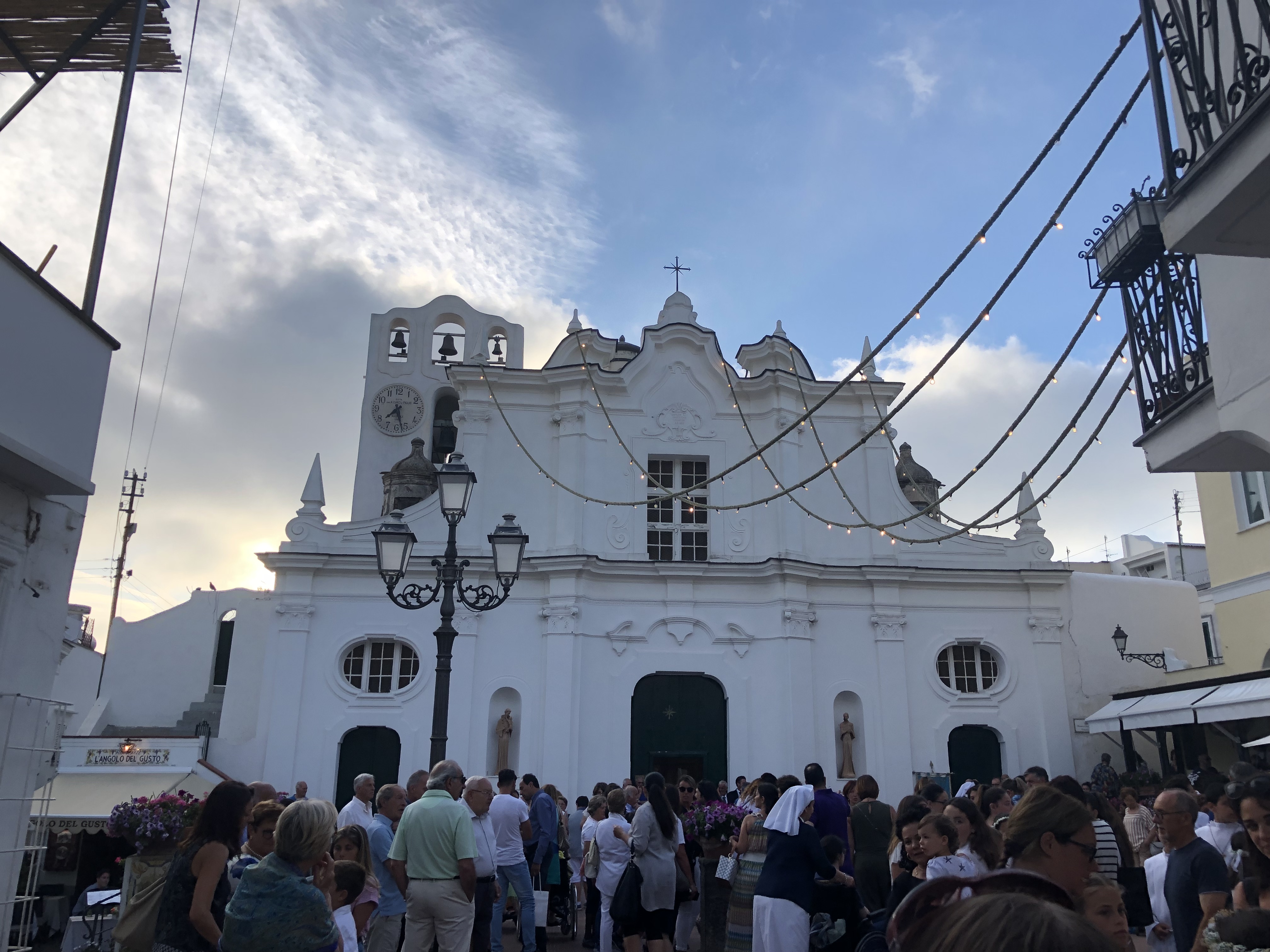
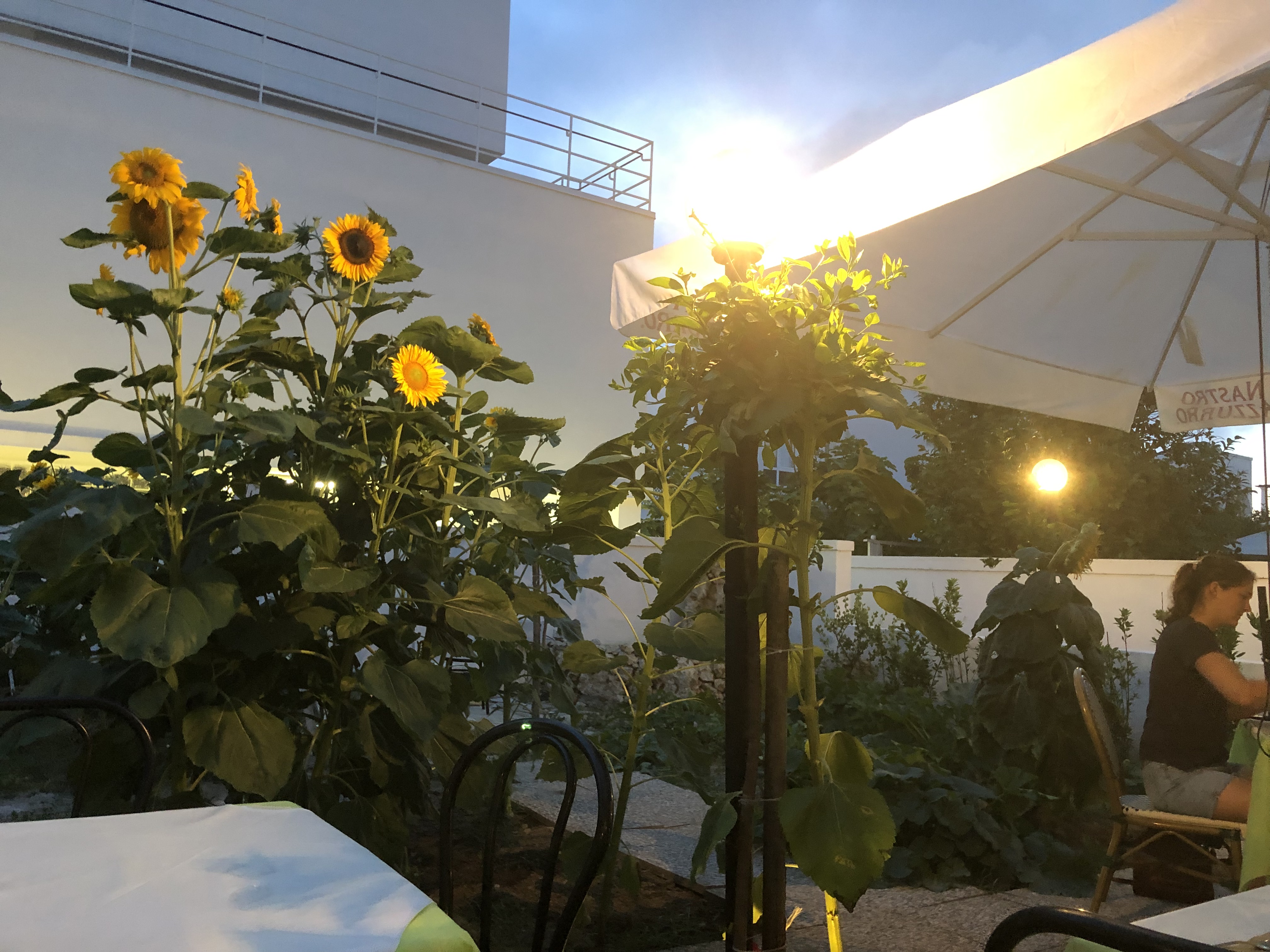
Our stay in Ana Capri was lovely. The beautiful ceramics and landscapes were unbelievable. I felt unworthy of even one nights stay. After our “graceful” swim in Marina Grande where we slide on mossy stones and cried about jellyfish, we ate dinner in a sunflower garden. After cena we witnessed some type of event at the church down the street, and the priest and church members marched through the streets singing. We joined the march and were lead right to a bar where we stopped for limoncello. It was a dream, and maybe I will return when I have a little more money.
Our southern Italy adventure ended with travel starting at 9:30am, and arrival in Sansepolcro at 9:30pm. Boat, metro, train, and bus, mostly sans AC. Running into Professor Fischer and her husband in the Naples train station gave us the moral to keep going, and we missed our friends in Sansepolcro.
I learned a lot about myself as a traveler in a group. My main role was making sure we had a good, authentic restaurant chosen for each meal before we even get hungry. I come by “hanger” naturally so I wanted to avoid any last minute restaurant choices that could be tourist traps. I also volunteered to do a lot of navigation for the group, even though Emily had to help me find my bearings with apple maps the whole time. I learned that when we worked together, our intuition helped guide us in situations we weren’t prepared for, like finding a ferry to Capri. Most importantly I learned how happy it makes me to see my friends enjoy travel, and their excitement when they saw a piece of history or art they had studied!
For my first independent travel excursion I decided to head to the coast of Tuscany, to a place called Viareggio where my Italian professoressa’s family lives during the summer. Viareggio also holds an incredible Tuscan Carnivale each February. My plan for these four days of travel was very loose, but I did know that I would be traveling alone for most of it, and I was nervous. At first I figured I would do excursions to Lucca, Pisa, and Firenze during the weekend, but plans change! After more train rides than I can count, I ended up visiting Lucca, Monterosso, and Pisa over the stretch of 3 days.
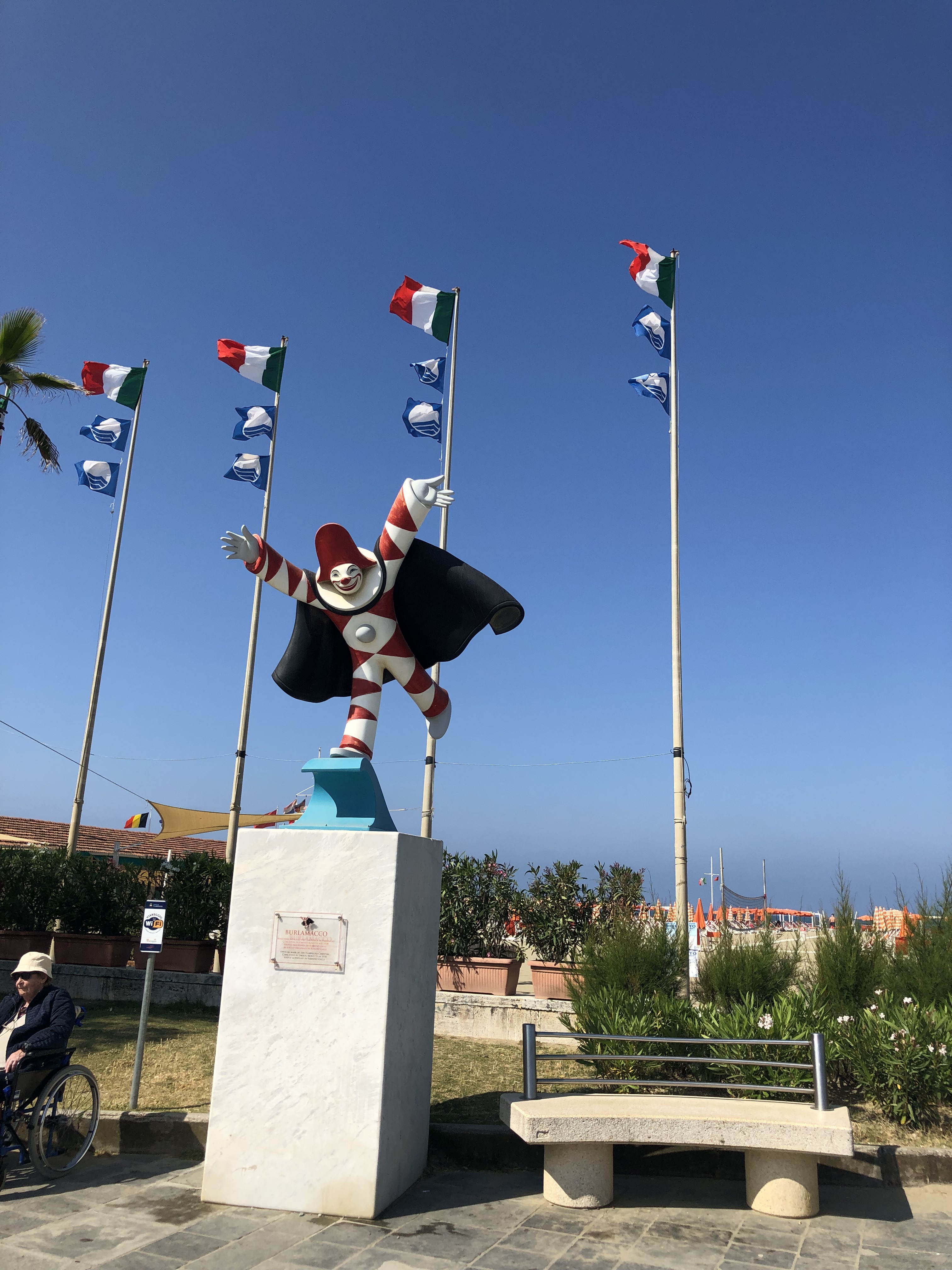
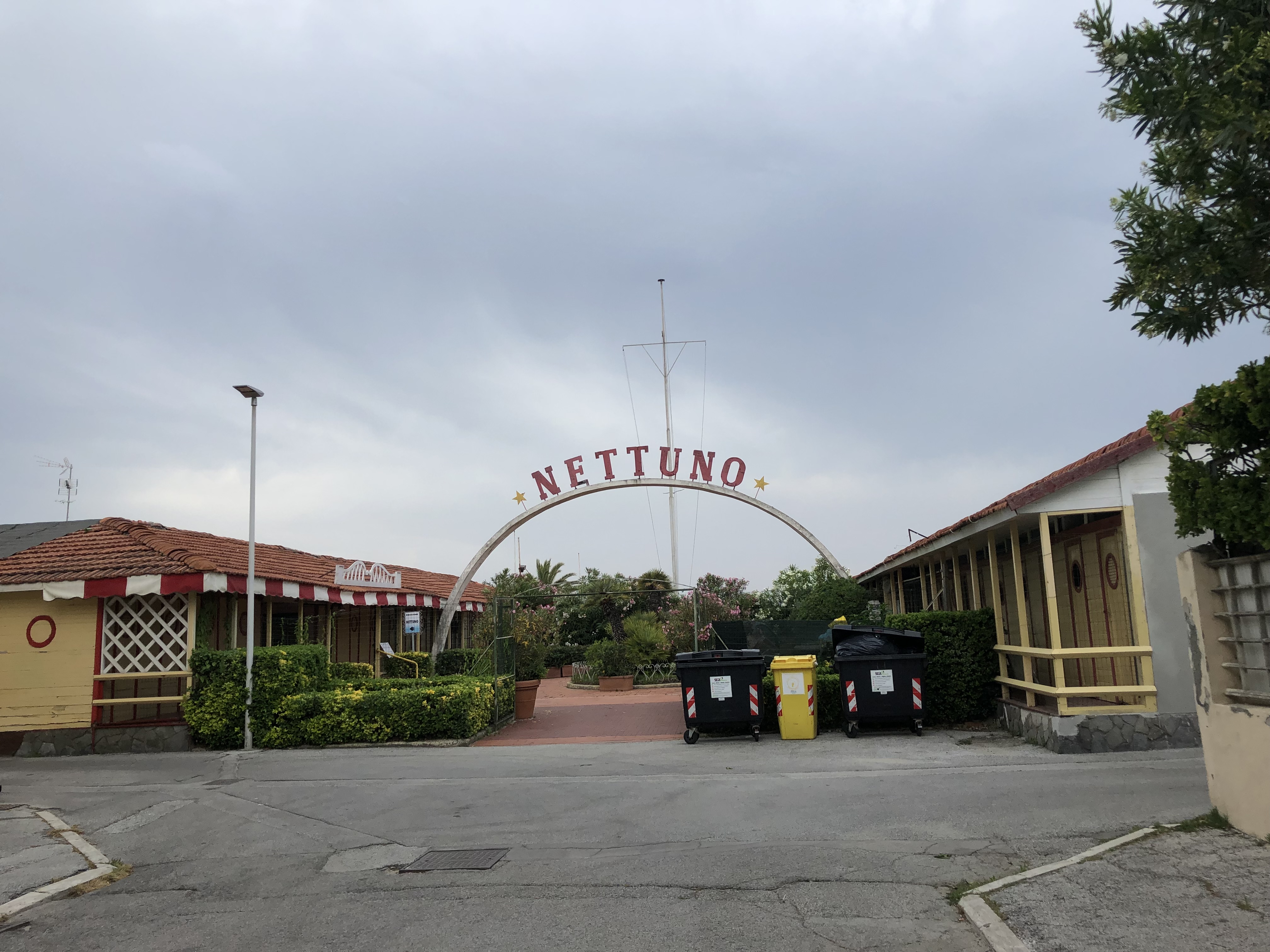
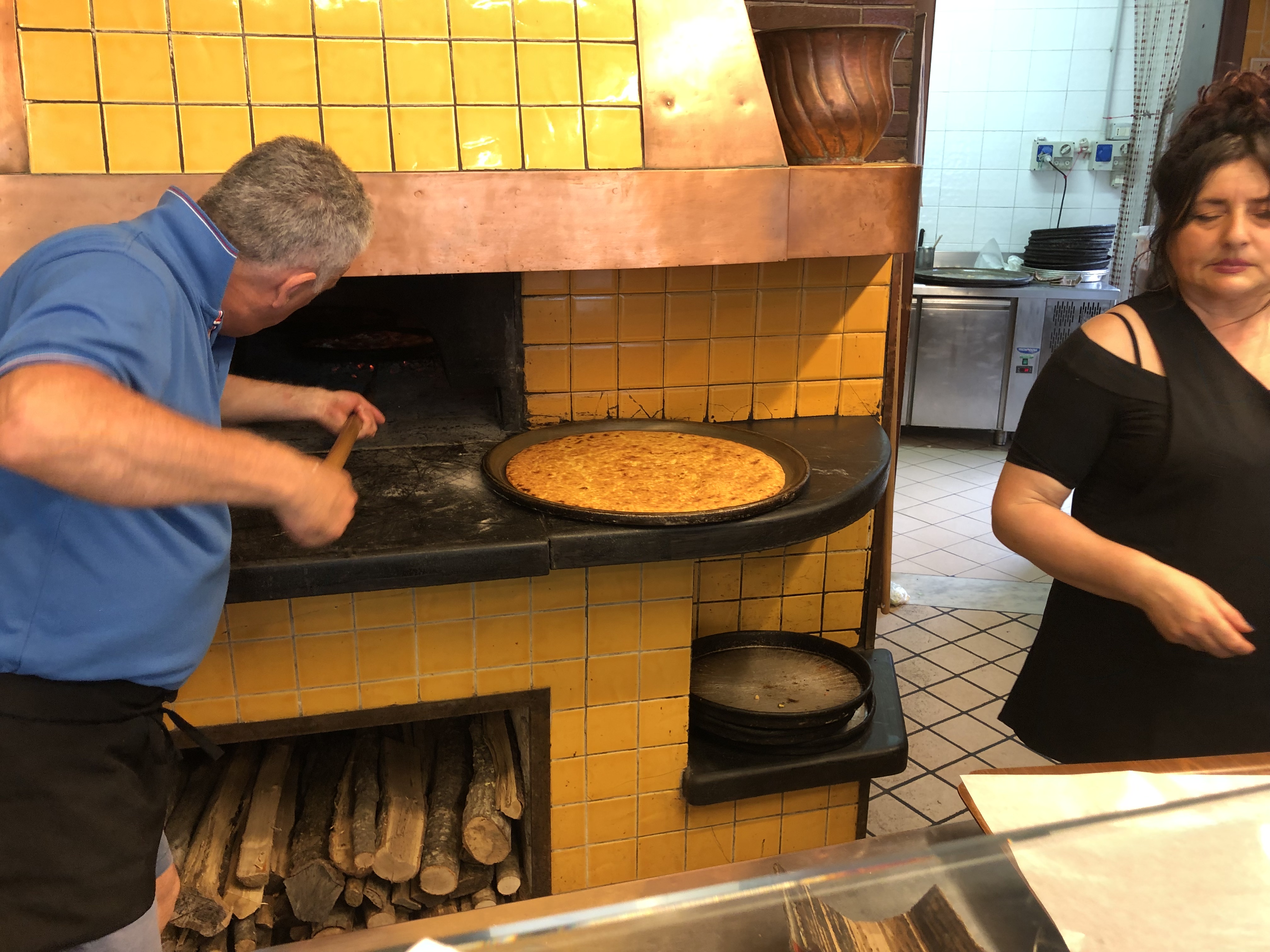
The first day of travel from Sansepolcro to Viareggio was stressful. I felt like I was running from binari to binari in the train stations, nearly missing the transfer trains during each change. I apologize to the travelers I nearly knocked over in Firenze Santa Maria Novella, but I had to do what I had to when getting from binari 13 to binari 1. When I arrived in Viareggio I was delighted by the sight of orange trees and succulents galore. There was jasmine growing on almost every fence, and it made the streets smell like marshmallows. I trekked on to my albergo, Hotel Paolina, where the son of the hotel owner, Paolo called me Caroline Haw of America. This first day of traveling was already exhausting, and I felt the loneliness of being a solo traveler. The Viareggians were not used to seeing an American in June, since their main tourists months are July, August, and February. I felt out of place, disconnected from those who call Viareggio and it’s passiegiatas home. When I saw Prof Pesoli biking towards me on the main beach stretch I felt so much comfort. I ran towards her in what seemed like slow motion, and greeted her in Italian style, a kiss on each cheek starting on the right. She gave me a tour of Viareggio and the line of bagno/baths that line the coast. We went into one of the older bagno, called “Neptuno”, which still had the old bath doors from the days of Mussolini. After, we traveled down to the port of Viareggio where their main industry is on display, yachts. There are yacht factories, and apparently the Versace family yacht is parked somewhere in the bunch of giant boats. We pretended we owned one, imagining what it would be like to live the rich life. The night finished with a delicious slice of pizza and farinata, a fresh baked chickpea pancake.
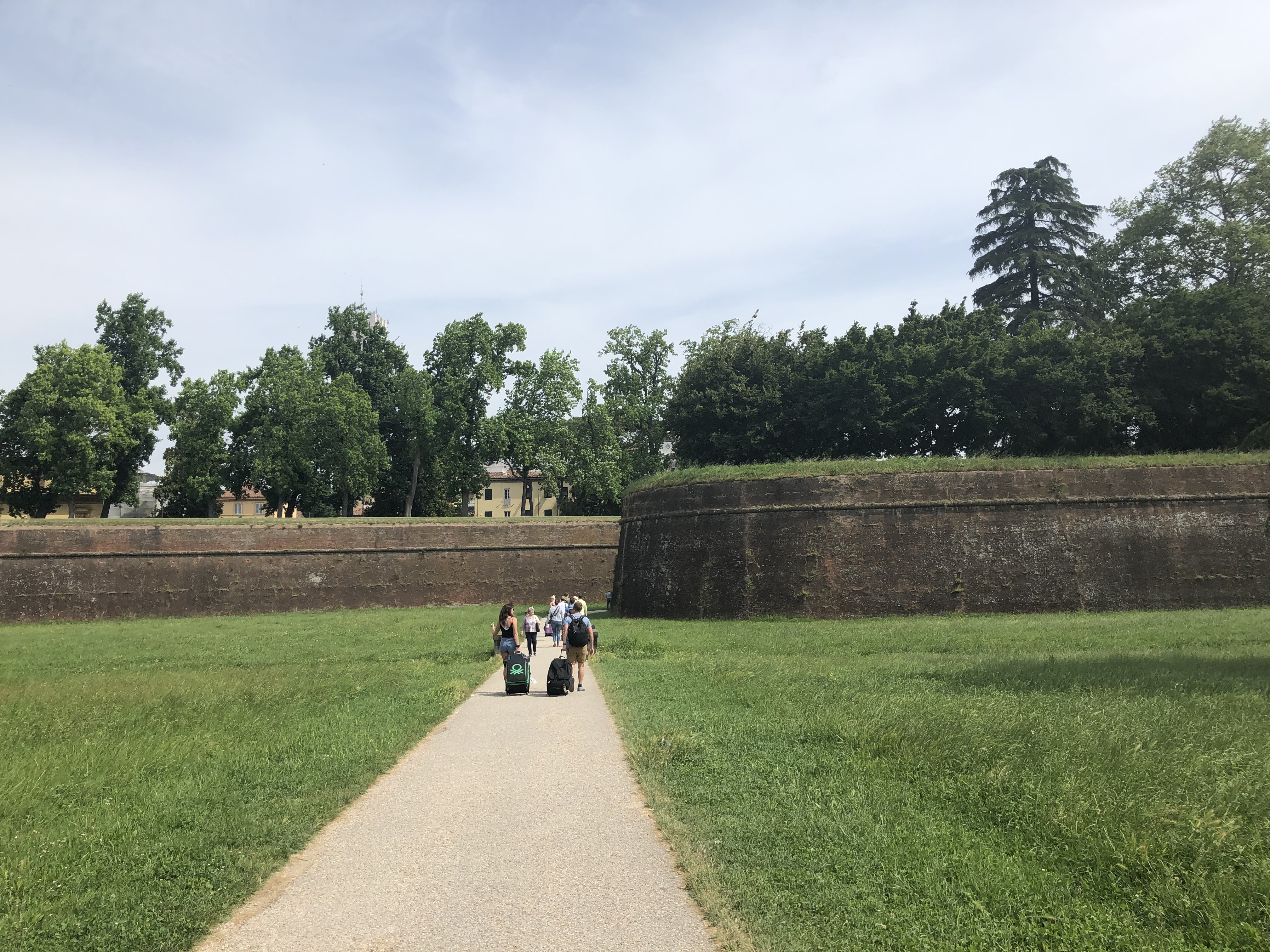
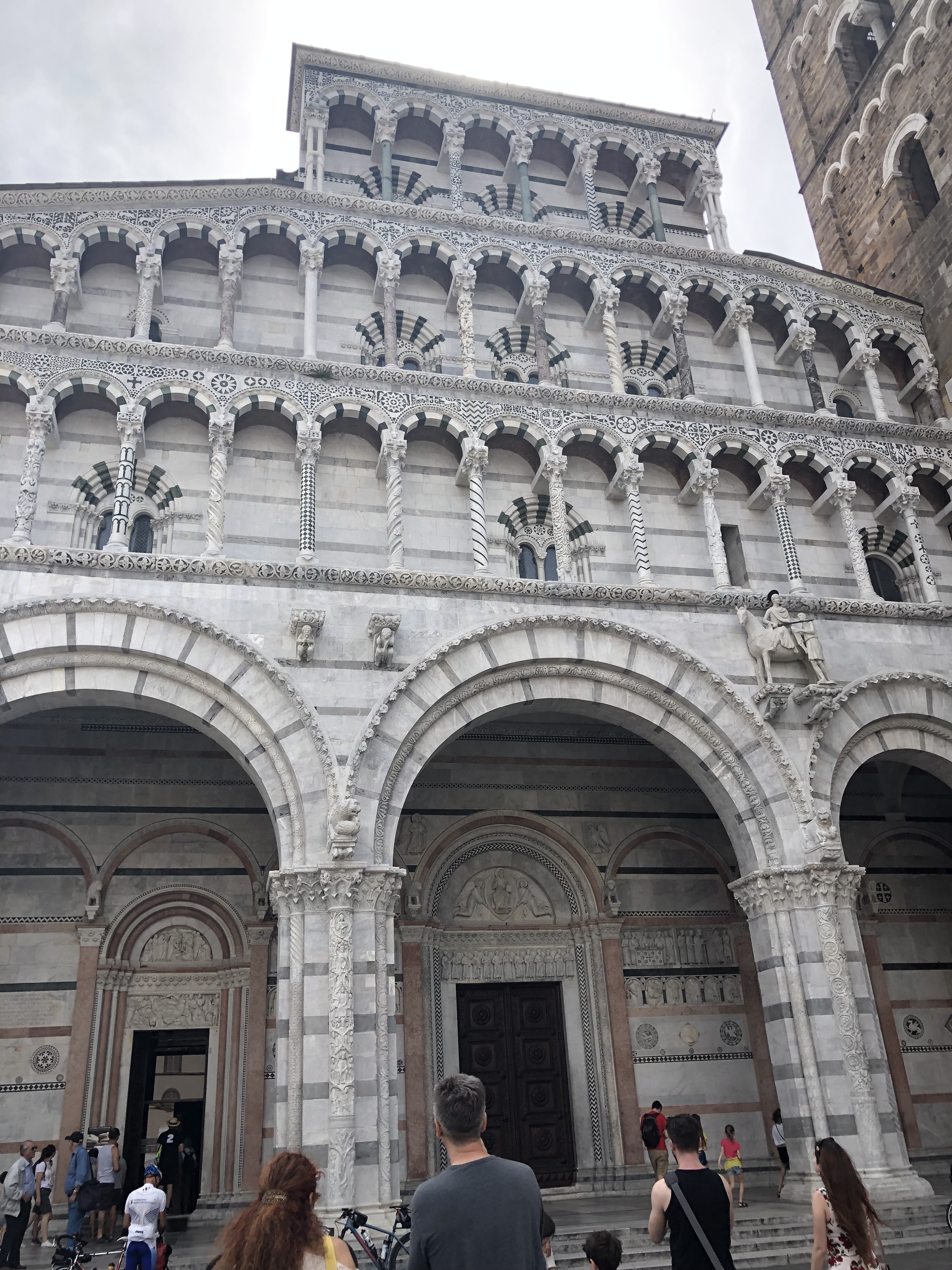
My adventures continued in Lucca on Saturday. I climbed the Guinigi Torre, biked the wall of Lucca, ate a delicious Panini, toured the Botanical garden, did some drawing, and explored the incredible Cathedral of San Martino. After a high strung day of exploring Lucca, I suddenly became tranquil and calm sitting in the pughs of San Martino, admiring the fresco over the alter, and I was mesmerized by the painting Madonna with the Child on the throne among four Saints by Ghirlandaio, which was located in the Sacristy. For cena I headed to the Pesoli’s summer apartment near the train station. I met Prof Pesoli’s madre and padre, and ate delicious rice, eggplant, and a parsley based sauce. Prof Pesoli helped translate for me and her parents when we didn’t understand everything, but I was proud that I could understand more than I thought I could.
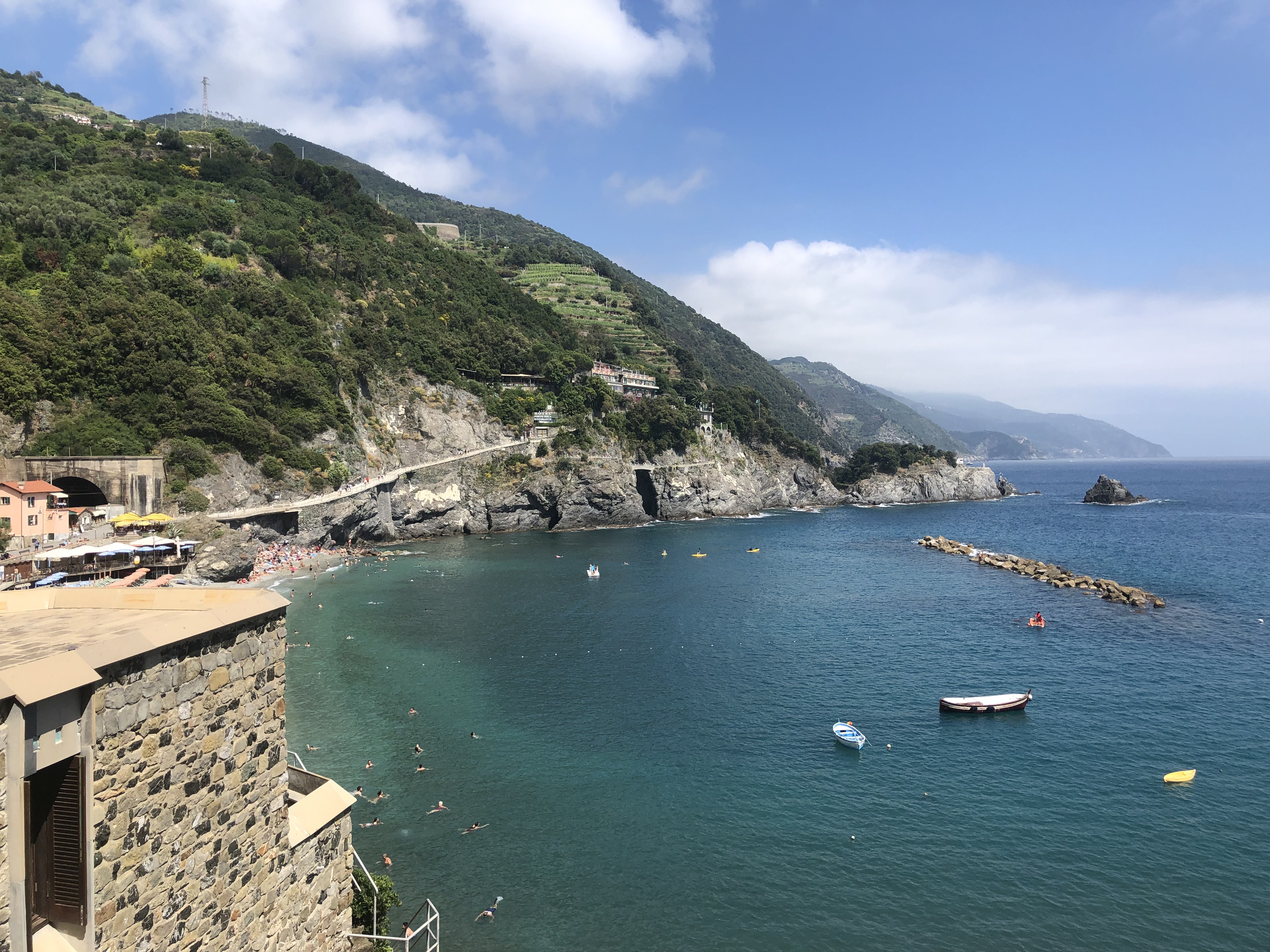
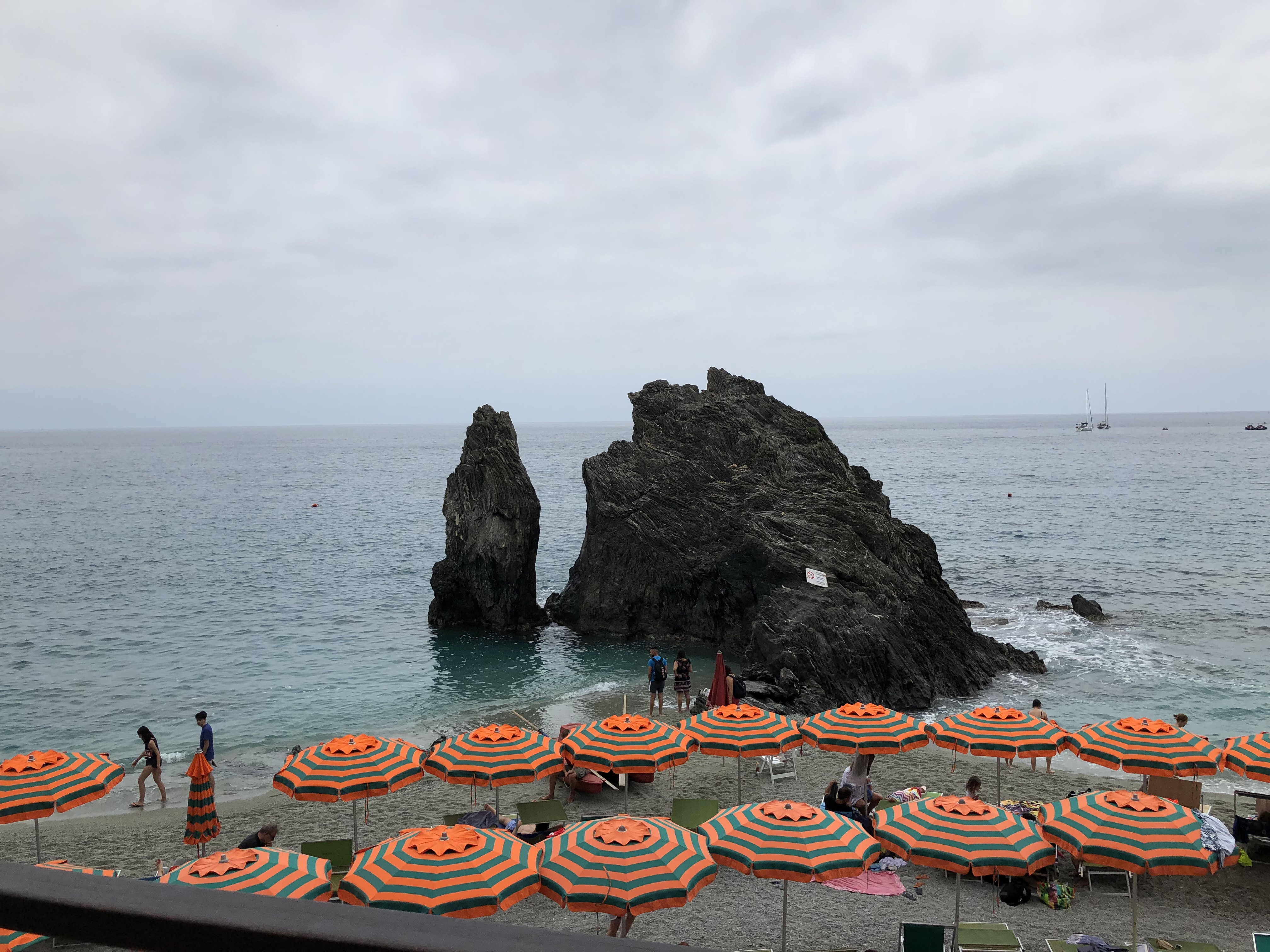
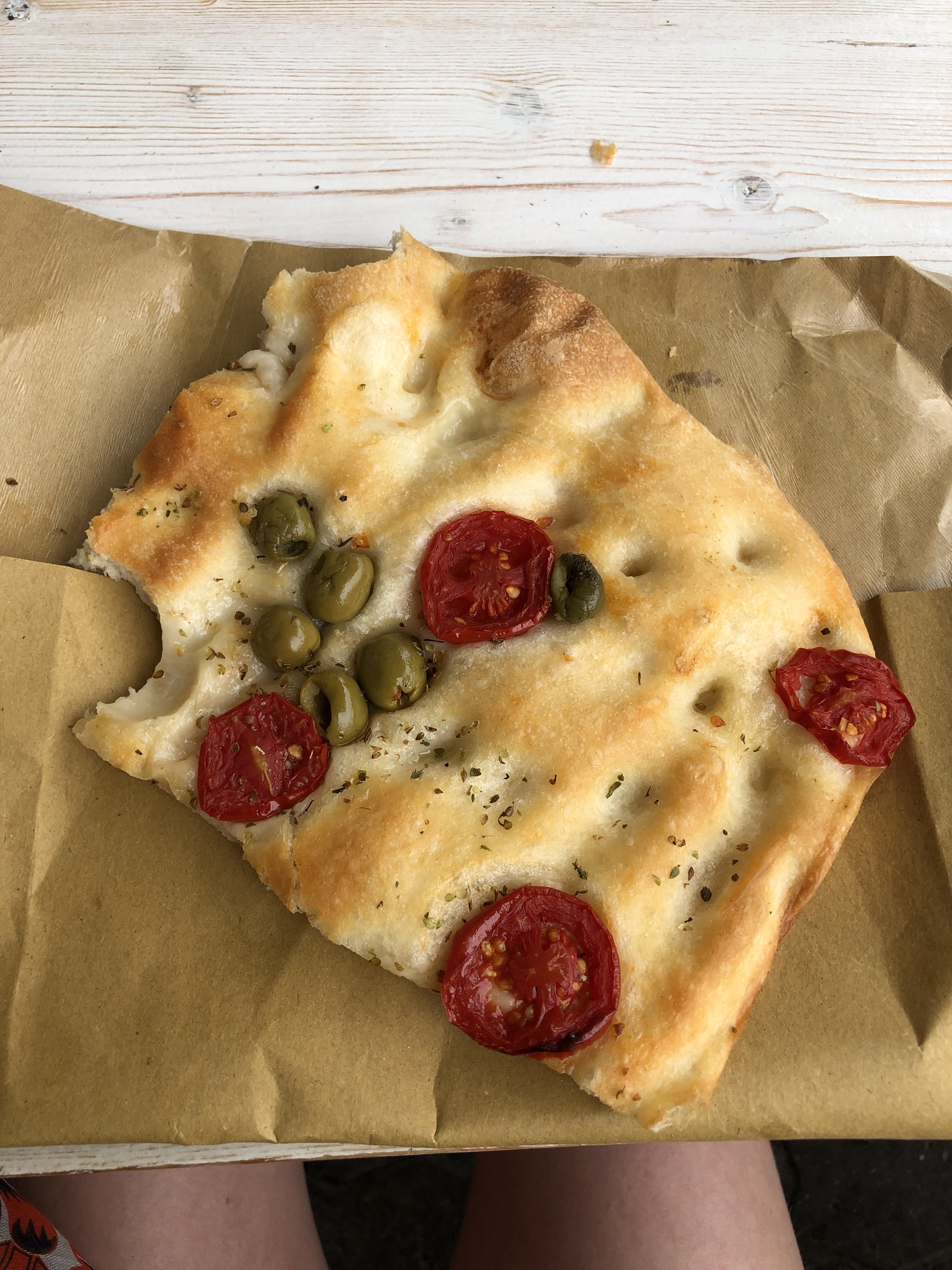
Mamma Pesoli insisted I go to Cinque Terre on Sunday, and that it was a great place to day trip before and after the peak tourist seasons. She said there wasn’t much historic art to see, but the nature was incredible, that is why it is a UNESCO protected site. I headed out on a train to Monterosso, the last of the five cities, without much of a plan. When I saw the ocean and the vast cliffs, a huge smile formed on my face. I was overwhelmed by the beauty. I was entering paradise. I decided to spend the day on the actual beach, laying on a towel and meditating to the sounds of the Italian language and the water washing through the pebbles. There was no way I was going to cliff jump (not after all of the concussions), but I did plunge into the freezing water and floated above all the pebbles on the sea floor below me. I took a break to grab an infamous Cinque Terre treat, focaccia with pomodorini and olives, making sure to go to a focaccia place with a long line, because that is how you know it is good. It was incredibly tasty and filling, and fueled me as I walked along the hiking path, which was built into the side of the cliffs. Since it was a tourist destination I did have to be cautious about my belongings, and dipping in the water while leaving my purse on the towel was not the safest idea, but nothing was stolen. I was also disappointed that there was country music playing and several Americanized beach cafes, and when I stood to enjoy my espresso, I got some questioning looks from other American tourists. We all have different travel priorities I guess, and I hope the woman at MokaCafe enjoyed her cold cappuccino… whatever that is. For cena after Cinque Terre I had pizza at Primo o Poi, meaning now or later, with Prof Pesoli’s sister Simona, her nephews, and a group of Italian high schoolers who will be traveling to New York in July. Prof Pesoli and I were exiled to the teen table, and sat by three young men who hadn’t met each other before tonight. One of them, Duccio, could speak english, and he explained to me that he is related to the artist Duccio da Boninsegna, and I could see his work at the Uffizi Gallery. I told the boys about America and they taught me about Liceo (high school) in Italy, and what they enjoy doing. Prof Pesoli and I had the young men serve us water, and get us pizza before all of the other teenage boys ate it all. We joked about politics, and the guys followed my wordpress and my youtube. I learned that in Italy before you turn 18 and are learning to drive, there is a type of French car called a Ligier that they can drive which only goes up to 30mph. To finish our meal, we had glasses of coca cola, which Prof Pesoli and I had never tasted without ice before. We both started laughing, and felt like the drink burned like whiskey on our throats. The teens headed out in the Ligiers after dinner to their homes in Lucca and Viareggio, arriving primo o poi I guess since they couldn’t go that fast, and Simona drove us back to Viareggio, attempting to make my first trip in an Italian car as safe as possible.
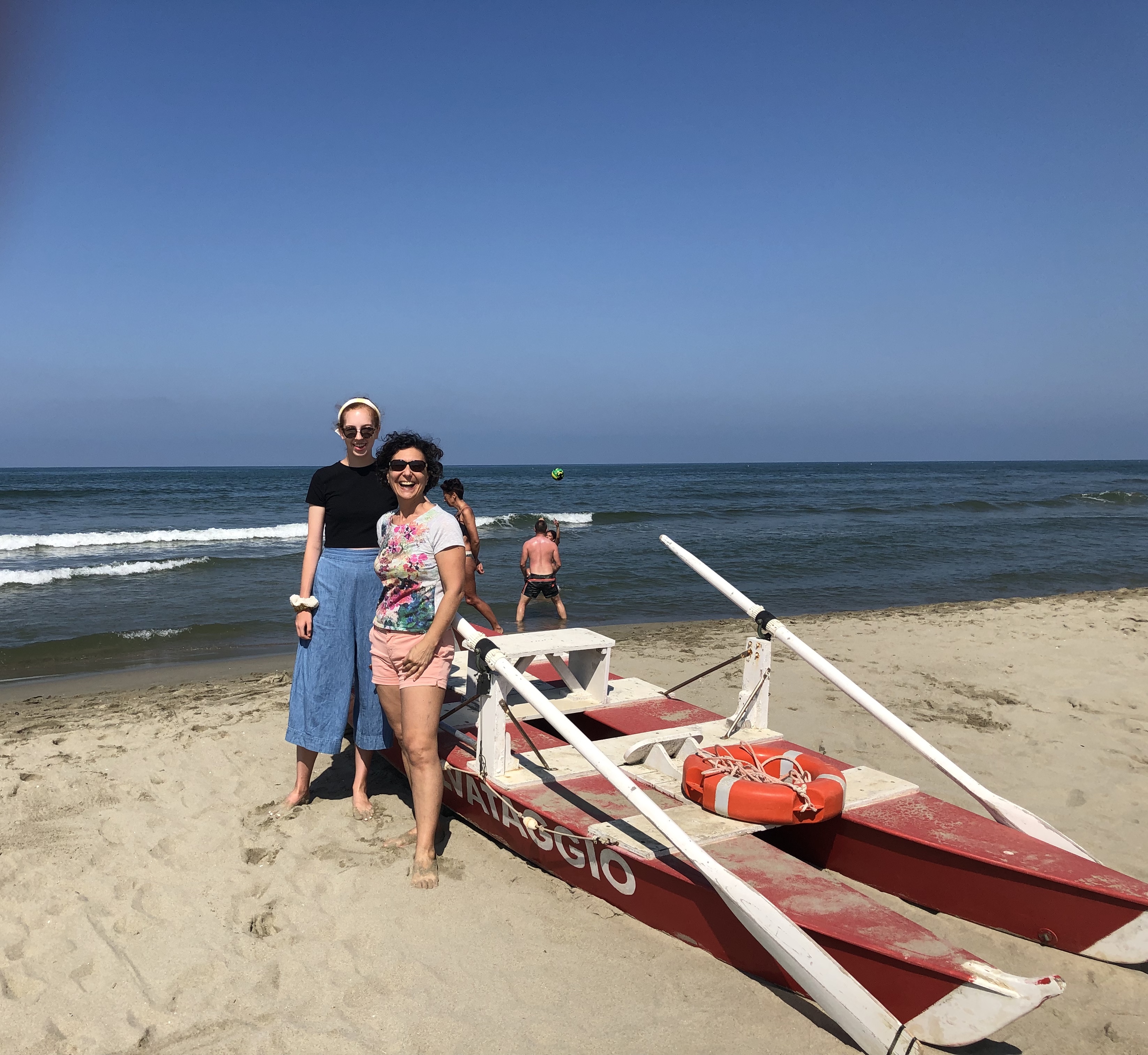
On Monday I spent the morning on the beach with Prof Pesoli, her son Sean, and her mom before embarking to Pisa. We met the Italian lifeguards, called salvataggio, and took photos with them! I learned that the Italian beaches are a lot safer than those in North Carolina. I was sad to leave Viareggio, but wanted to get on to Pisa so I could spend some time there before heading home to Sansepolcro.
Italian Baywatch 2019
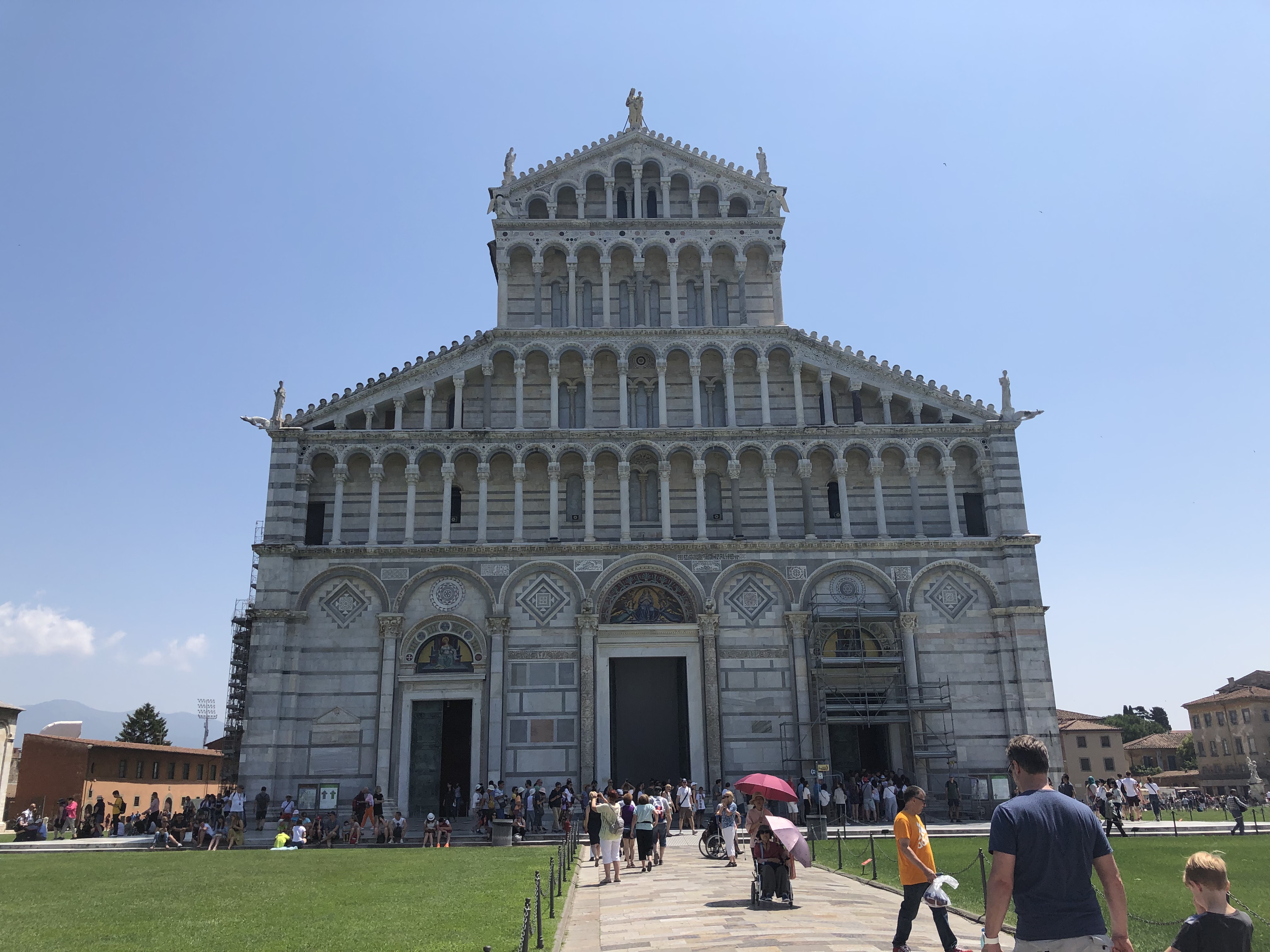
I wanted to research at least one of the historical sights I was going to see this weekend to be prepared and maybe show off my knowledge to passersby. I heard that the Duomo and Cattedrale of Pisa were full of treasures, so I chose to research both what was inside and outside. The cathedral itself began being built in 1063 by the architect Buschetto, and the funding for the cathedral came from the victory of the Pisan fleet in Palermo, which is the capital of Sicily and was under Muslim rule (Steves). The church was dedicated to Santa Maria Assunta, and was originally filled with medieval work, but a lot of work was destroyed in a fire in 1595. According to Rick Steves “Italy 2017”, the facade of the cathedral was not added to the church until 1150 by the architect Rainaldo (551). The outside facade of the cattedrale is in the Pisan Romanesque style and made of grey marble, white stone, and discs of coloured marble. There are also large bronze doors on the facade that were created in the workshop of Giambologna. Inside the cattedrale there is black and white marble and a vast gilded ceiling that travels down to the “320 ft nave” (Steves 551). Inside you can find Galileo’s lamp hanging in the nave, the Apse Mosaic which involved Cimabue’s hand hangs is behind the altar, and the tombs of St. Ranieri and the Holy Roman Emperor Henry VII (Steves 552). The piece of art I am most interested in is the pulpit by Giovanni Pisano, made of the infamous Carrara marble. The pulpit is extremely ornate, and according to italianways was “one of the most iconographically dense works of art in the history of art in Italy”. The pulpit was sculpted by Pisano between 1301 and 1310, and has over 400 figures sculpted into it. Sadly I barely saw the inside of the Cathedral, but I at least saw the facade.
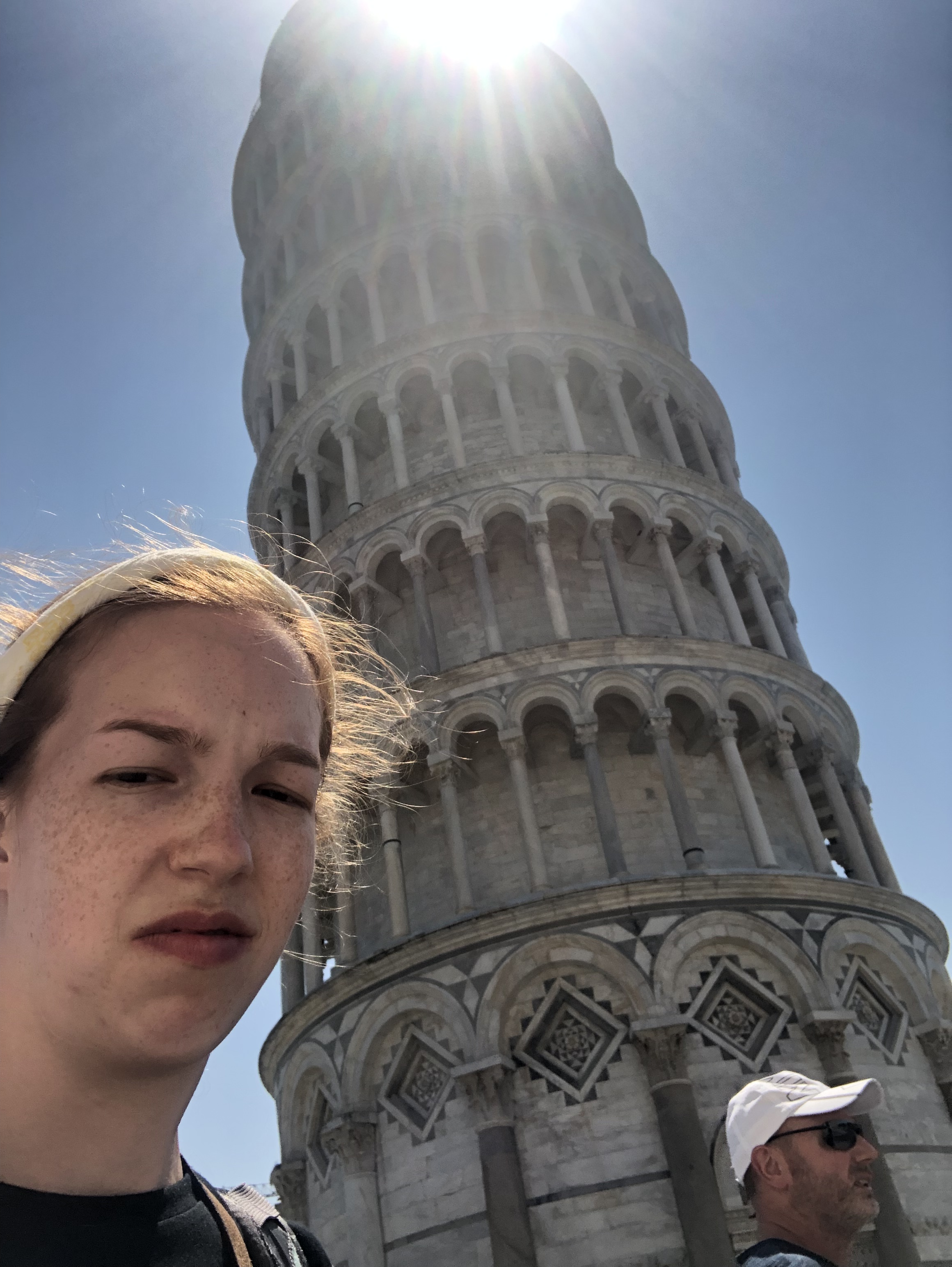
The most lessons learned were in Pisa. On Monday I headed out from Viareggio to Pisa Rossore station, the station in Pisa that is closest to the Piazza dei Miracoli (thank you to Duccia who gave me helpful tip). I had all of my belongings with me, my stuffed backpack and shoulder bags, thinking that Pisa was an okay place to travel with my luggage. Walking up to the Piazza dei Miracoli was like approaching a modern day battle. The vendors had their selfie sticks in the air, like lances, and the guards were walking about with literal rifles. All I had brought to battle was my bags and a 5lb Bialetti Moka Press, which weighed down the left side of my body. The tower wasn’t the only thing leaning. Also there was Monday mass at the cathedral, so I only saw the entrance to the cathedral, and could only sprint to see the altar and the Pisano pulpit.
It was hot and I was not impressed
I am proud of myself for going about this excursion almost completely alone, and immersing myself in experiences even when I was scared. Even if I didn’t see as much art as I had wanted to, I think that I got to have a lot of beneficial cultural experiences that have taught me even more about Italy.
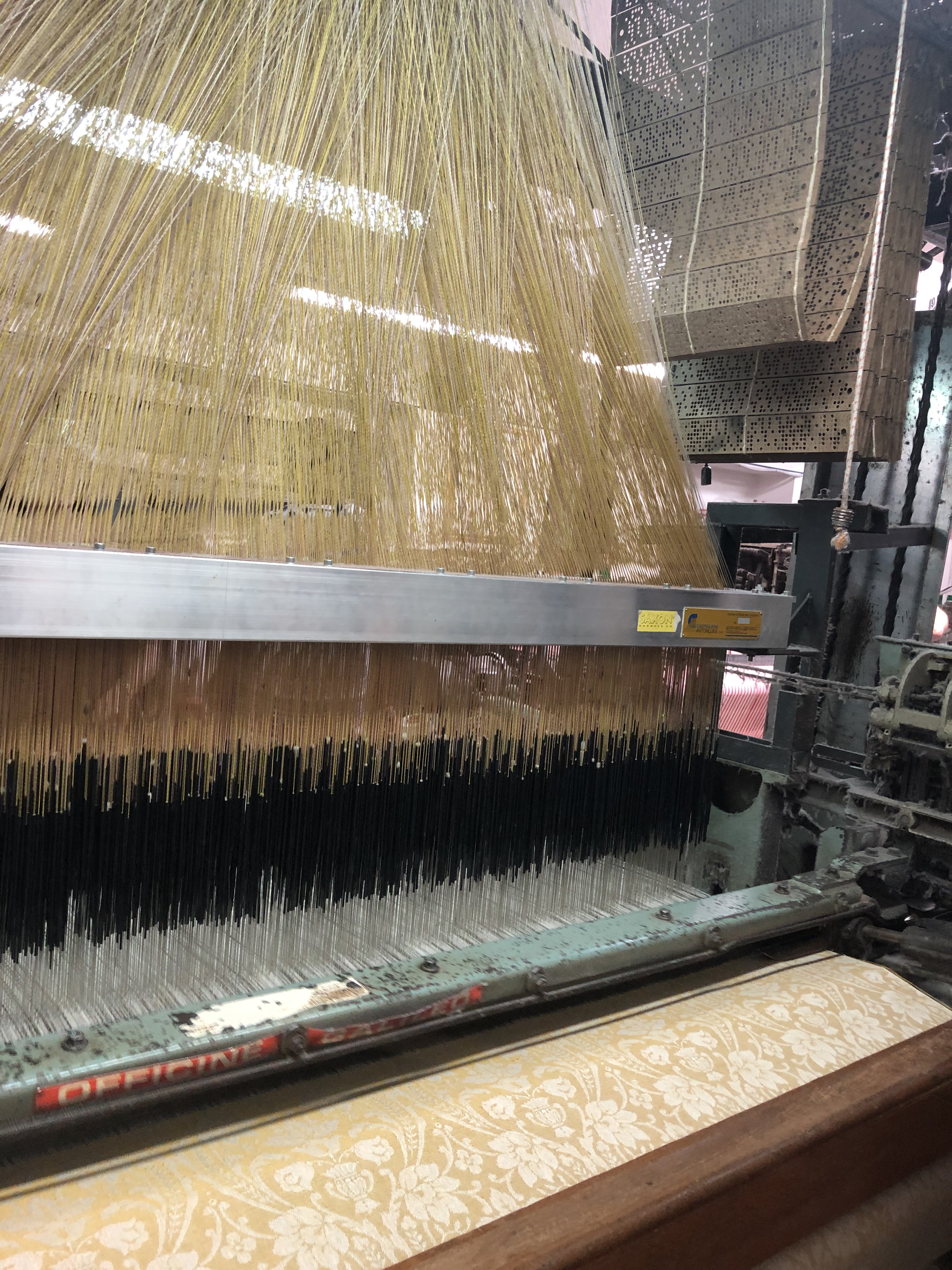
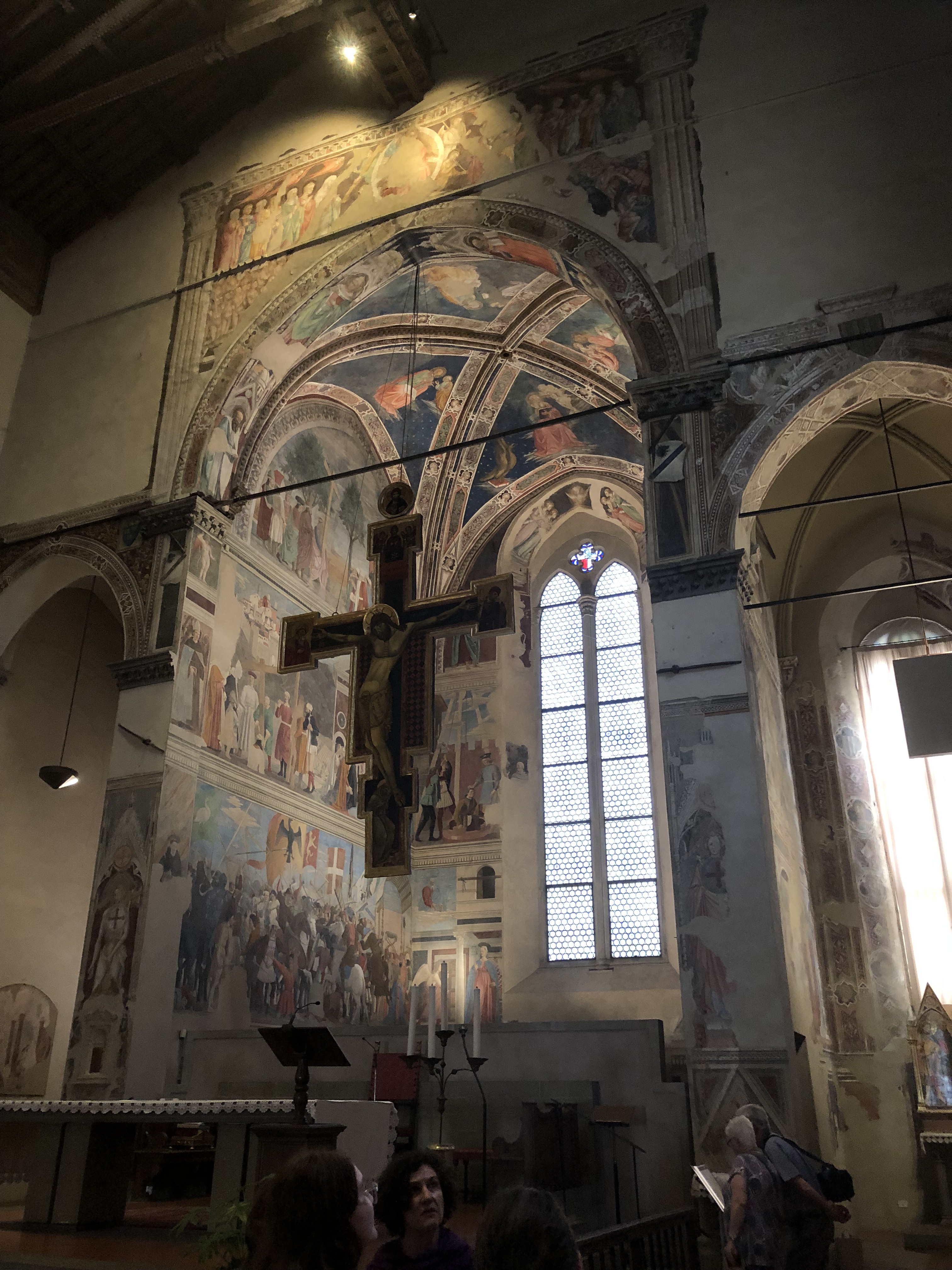
On il 12 giugno, my classmates and I headed to Anghiari and Arezzo after our morning classes. The first stop, Anghiari, is a medieval village that is enclosed by it’s 13th century walls. Inside the powerful walls of Anghiari, we went to the Busatti showroom and viewed their array of automatic looms downstairs. The rhythm of the reeds smashing the warp, the clicks of the punch cards, and the rattling of the heddles created a sympathy of weaving that I have never heard before. I didn’t purchase anything, but I enjoyed seeing the workshop! Next we headed to Arezzo, another hilltop Tuscan town, that is known for its wealth. When we traveled to Arezzo we were especially interested in The Church of San Francesco, which holds Piero della Francesca’s fresco, La Leggenda della Vera Croce/The Legend of the True Cross. To prepare for our excursion to The Church of San Francesco, each of us in class were assigned a scene in Piero della Francesca’s fresco to study and present about at the church. The Church of San Francesco was built in the thirteenth century and finished in the fourteenth, and only has one nave. Other than the Piero della Francesca frescoes in the Bacci chapel, there is a gorgeous crucifix and stained glass windows. I was assigned the lunette at the top right of The Legend of the True Cross entitled Death of Adam of 1466.
Jacquard loom in the Busatti workshop. Should we have been allowed to stand this close?
The frescoes in the La Leggenda della Vera Croce tell the story of the True Cross, but out of order, which makes the eye dance from panel to panel in order to follow the story. The Death of Adam is the beginning fresco and is positioned in the top right hand corner. The Death of Adam is opposite to the lunette painting The Exaltation of the Cross, which is the ending scene of the legend, creating a sense of change from the right to the left side of the chapel. The Death of Adam depicts three important scenes from Adam’s death. The first scene which is on the far right side of the fresco shows Adam laying on the ground, being comforted and surrounded by his children. He has asked one of his sons, Seth, to meet with the Archangel Michele to beg for the gift of mercy which was in the form of an oil. In the background this meeting between Seth and the Archangel can be seen, which is the next stage of the story. Seth is given a seed instead to put in his dying father’s mouth that will grow into the tree of sin, this is the only way Adam will receive forgiveness. On the far left is the final scene where Adam has been buried by his family and the tree of sin has bloomed behind them. The two farthest figures to the left are King Soloman and the Queen of Sheba who have realized that the tree of sin will be used to construct the Holy Cross, and even though the wood was currently a bridge, Soloman wants it buried.
The Legend of the True Cross
Piero della Francesca’s approach to telling the story of Adam’s death in three stages across the lunette was mimicking the way narratives and stories were told in other frescoes of the time. By placing the middle scene in the background, there is a split between the scenes, and depth is created. By placing the secret scene between the Archangel Michele and Seth in the background, secrecy is created and it becomes clear that Adam has no control over his fate, even in the afterlife. The tree of sin fills up the whole top half of the scene, towering over the horizontal composition of figures, showing its power, and that the fate of the cross was stronger than any mortal. Humankind is on one level, and Christ was on another. The figures in the different scenes create a triangle shape, which represents the holy trinity and is a geometric shape that Piero della Francesca loved.
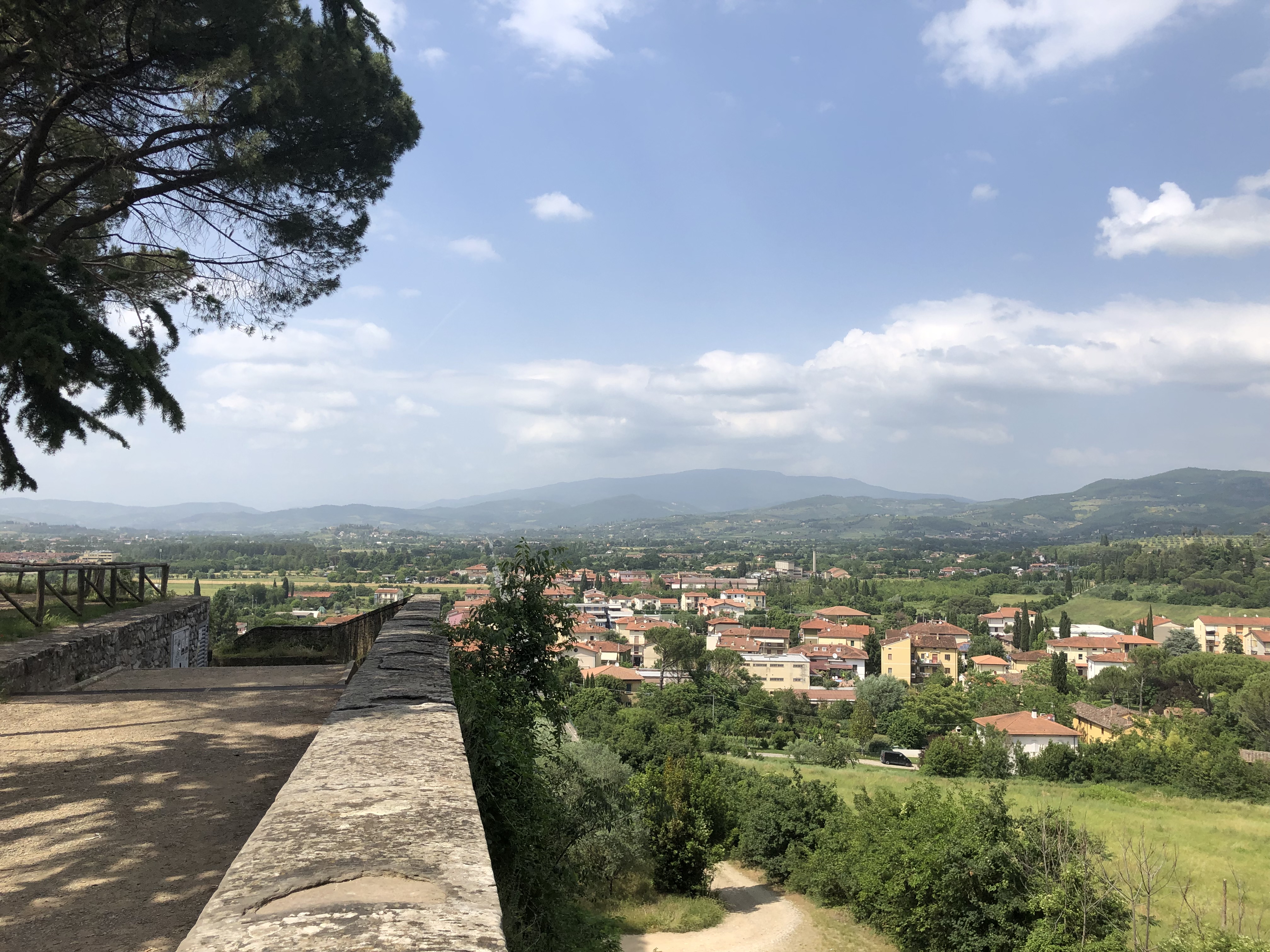
The view from Arezzo City Park, not too shabby
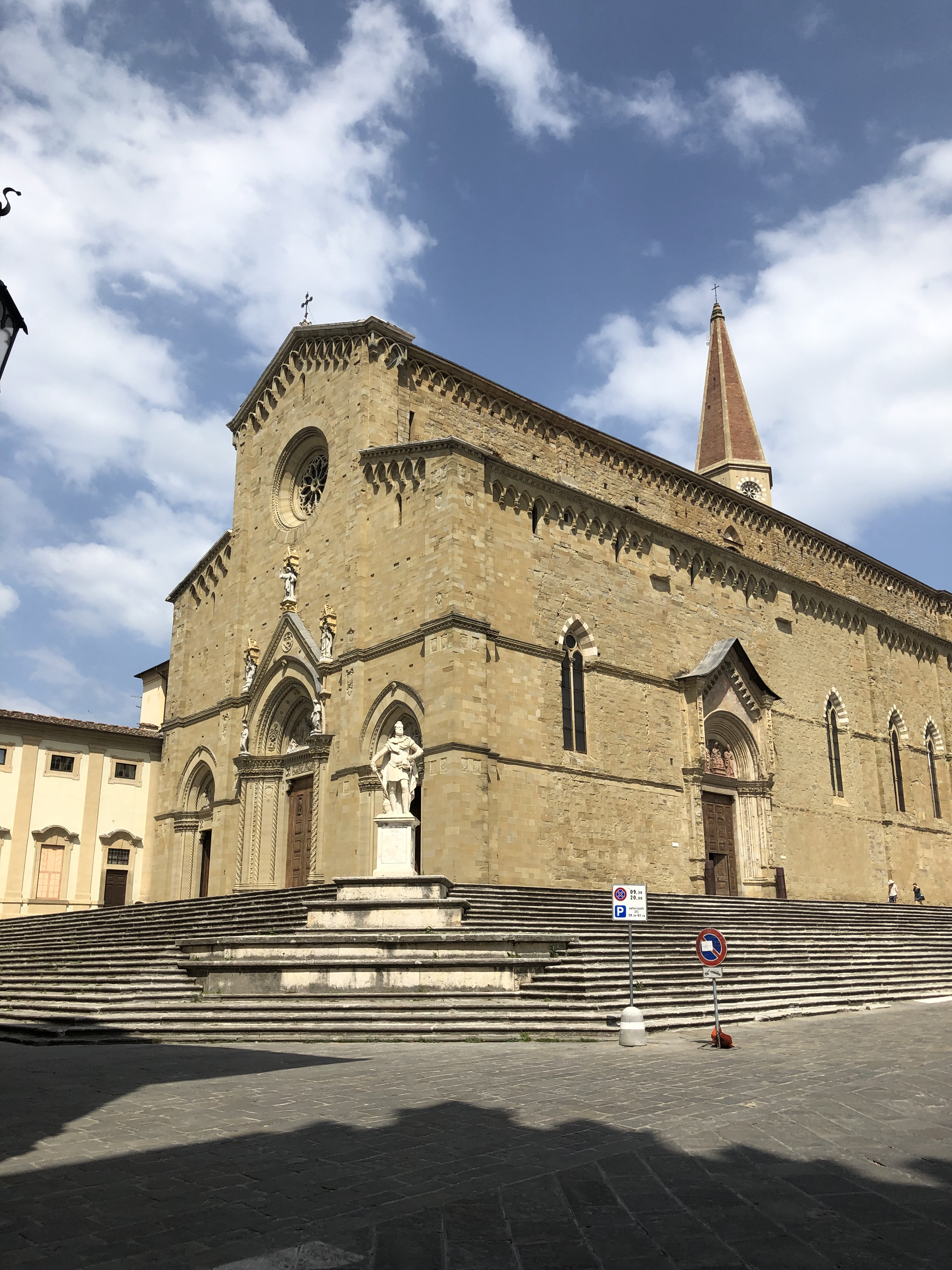
It was a gorgeous, hilly day in Anghiari and Arezzo. There were incredible views of Tuscany and gorgeous buildings and Piazzi. The bus ride back to Sansepolcro went smoothly this time, and I felt in control of my travel today, except for the time when an older woman followed my friend Tori and I, asking us to come into her home and be her “compagne”! When in Arezzo! As we scurried away from our lonely pal, we saw there was a wedding at the Cattedrale and we watched the bride emerge in a rose gold car to walk into the church. We then went inside the church and saw the decorative side chapel, that we believe was Baroque, illuminated by tiny lit candles. Then we went to the church of Santa Maria del Piove which was older than the other churches and had an area under the high alter with reliques and a wall tomb. I wandered into some gorgeous churches and saw some incredible relics, but the highlight of the day was seeing The Legend of the True Cross and getting to present my assigned fresco to our group, and whatever bystanders were lucky enough to get a free tour. The security guard was not impressed, and decided to kick us out of the chapel for ten minutes because we had overstayed our welcome. No worries, we got to go back inside and finish studying the frescoes! This was my first time explaining a piece of art to a group of people while standing in front of it, and I am really proud of myself for doing it.
The Cattedrale
We made it back to Sansepolcro at last and got that warm tingly feeling of coming home when we saw the walls of the city. It wouldn’t have been a Sansepolcro welcome without the poor woman being loaded into an ambulance by the bus stop. She seemed conscious on her stretcher, but her face had seen better days, and so had her bike. It’s a good thing we learned what “attenzione” means.
On il 10 Giugno my Meredith classmates and I headed off to Firenze for un giorno. We woke up early to catch the autobus to the Arezzo stazione, picked our train to Firenze, and were on our way. A bumpy ride through the Tuscan hills suddenly turned into the bustling piazza of Santa Maria Novella. Since we traveled to Firenze on Lunedi, many of the museums and galleries were closed. Che picato, what a shame, but luckily some locations were opened and I was forced to narrow down my options. As a class we went to the Museo dell’Opera di Duomo, and I researched two other sights to see on my day in Firenze.
Cheers to a day in Firenze!
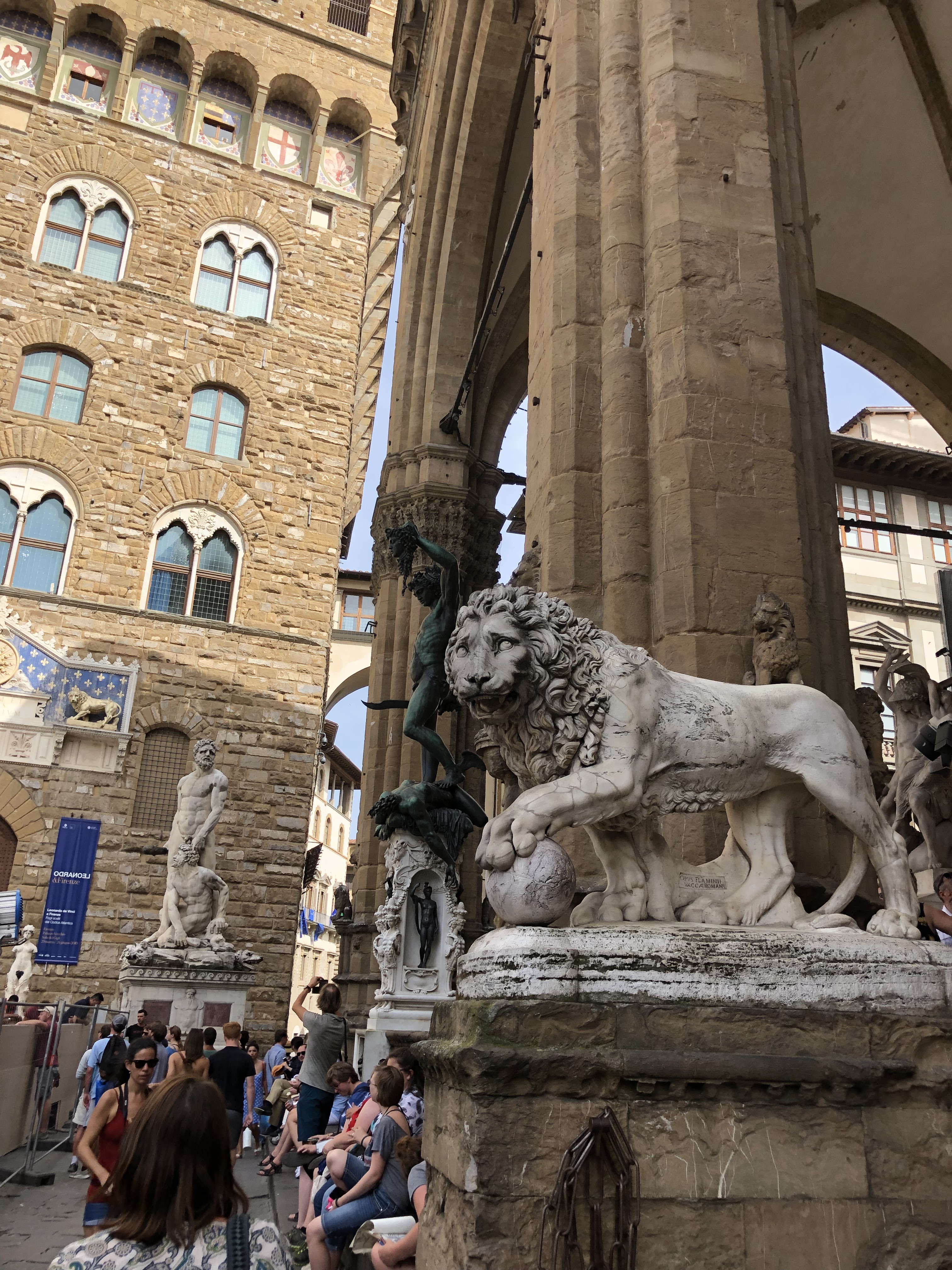
In honor of my studies during Art History Survey 2, I visited the Loggia dei Lanzi and saw Giambologna’s “Rape of the Sabine Women”. The Loggia dei Lanzi is located in Piazza della Signoria, and it’s name means “open air sculpture gallery”. The Loggia has been around since 1392, and building began in 1376 by Benci di Cione and Simone Talenti. The gorgeous arches and open shape of the Loggia is in the Gothic Architectural style, which was prominent right before the Renaissance. It was originally used to hold public ceremonies and functions of the Florentine Republic. During the sixteenth century it was no surprise that the Medici’s got their hands on the Loggia, but the sculptures weren’t installed until they were expelled from Florence. Once the Medici came back to Florence, Cosimo added to the collection. Before arriving at the Loggia dei Lanzi, you are greeted by the lions on the staircase leading up to the sculptures. Now that I know lions are the symbol of Florence, I understand the powerful meaning the Marzocca’s hold. There are many famous sculptures in the Loggia other than “Rape of the Sabine Women”, there is a bronze statue by Cellini, which is “Perseus with the Head of Medusa”, the five marble statues of women, and Latin inscriptions that mark the dates of Italian unification and the adoption of the common calendar.
One of the lions at the Loggia
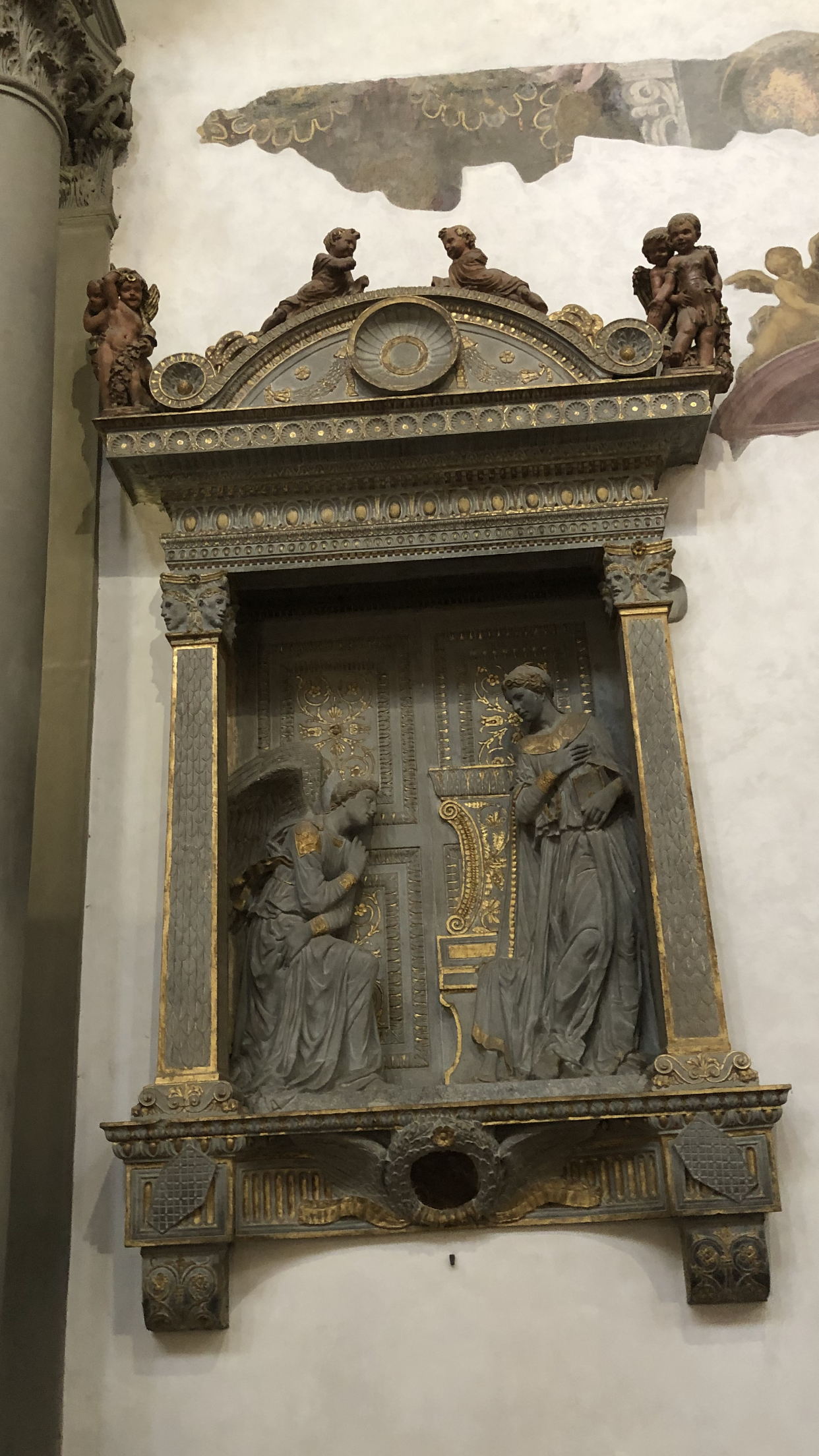
I am usually a museo person, but I wanted to see Santa Croce. In 1210 the first groups of Franciscan friars settled in Florence on the site where Santa Croce was eventually built in 1295. The original builder of the Basilica was Arnolfo di Cambio. The plan of the church is in the shape of an Egyptian cross, which makes sense for the Holy Cross. The Florentine gothic style facade of Santa Croce transports you back in time, but sadly in a time machine of lies. The facade of Santa Croce wasn’t designed until 1863 by Niccolo Matas. Once you enter the church there is an abundance of art works. The nave is spacious, has arches pointing to the heavens, and thin stained glass windows that bring in slivers of light. Santa Croce is filled with frescoes by many famous artists who were commissioned to paint the chapels of their wealthy patrons. Giotto painted frescoes in the Bardi and Peruzzi chapels during the 14th century. They tell the stories and depict scenes from the life of Saint Francis, St. John the Baptist, and St. John the Evangelist. There are other frescoes in the chapel by Gaddi, and Gaddi also painted frescoes at the Chapel of the high altar. The Chapel of the high altar is filled with images of saints and ornate stained glass windows, and is an eyeful. Their are so many sacred pieces throughout Santa Croce, some are by Giambologna and Donatella dedicated to important Italian figures. Santa Croce has a variety of tombs, some are graves in the ground, and others are ornate structures, such as the tomb of Michelangelo, Galileo, and most importantly Bruni. Certain art from Santa Croce had to be relocated after a flood and can be viewed in some of the back rooms of the church.
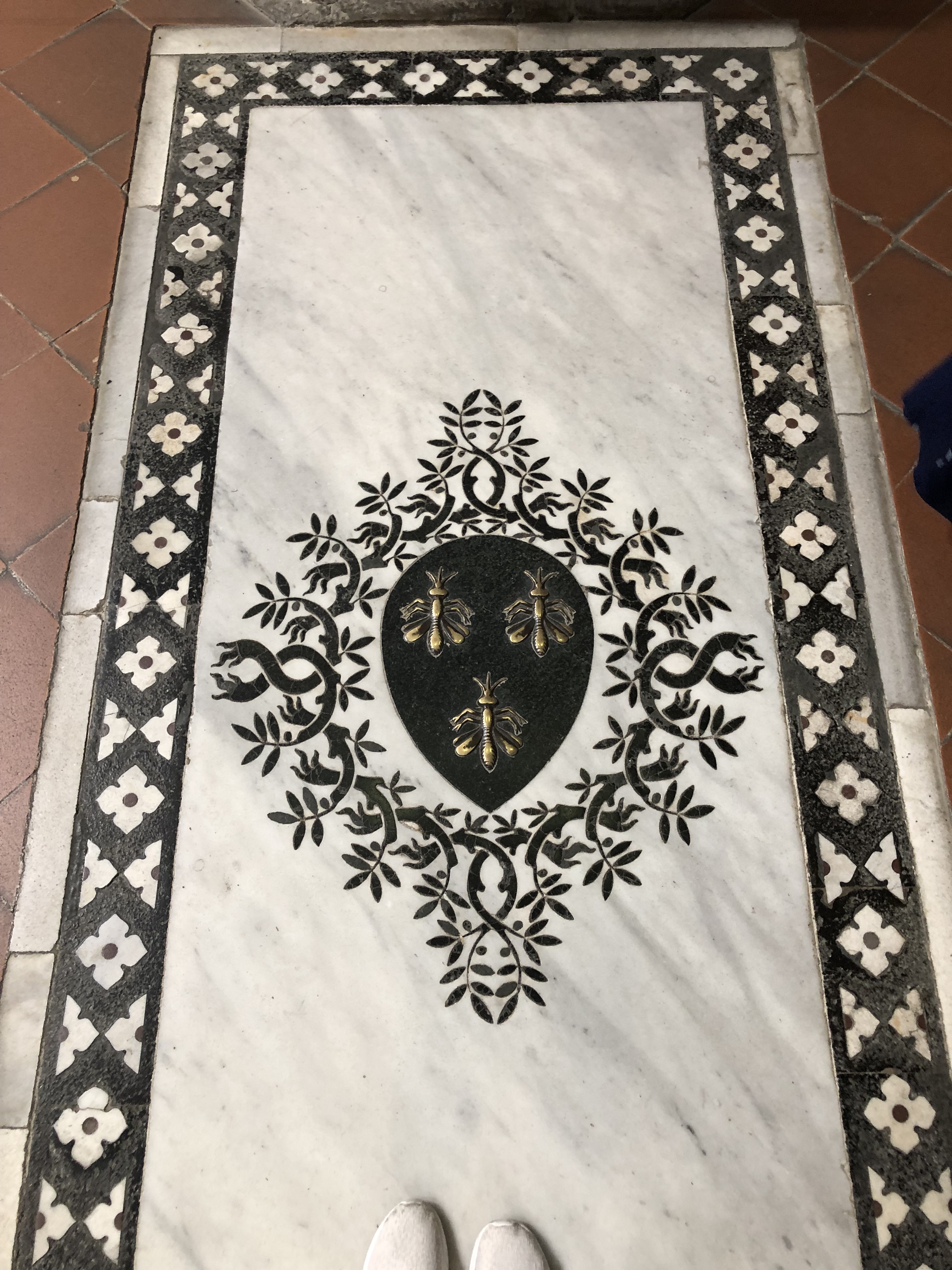
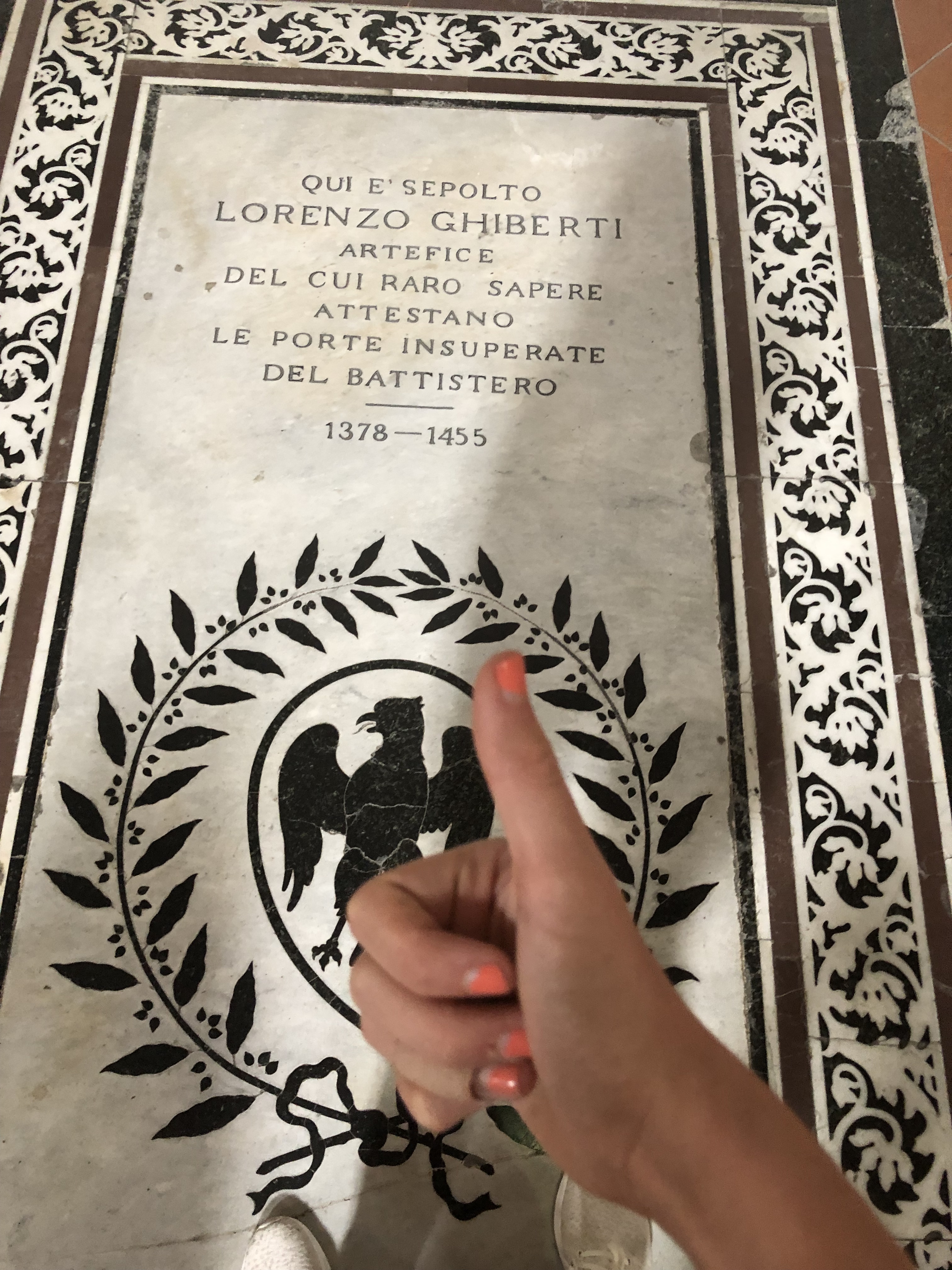
A floor grave in Santa Croce with bees!Donatello’s Annunciation in Santa CroceRIP Lorenzo Ghiberti
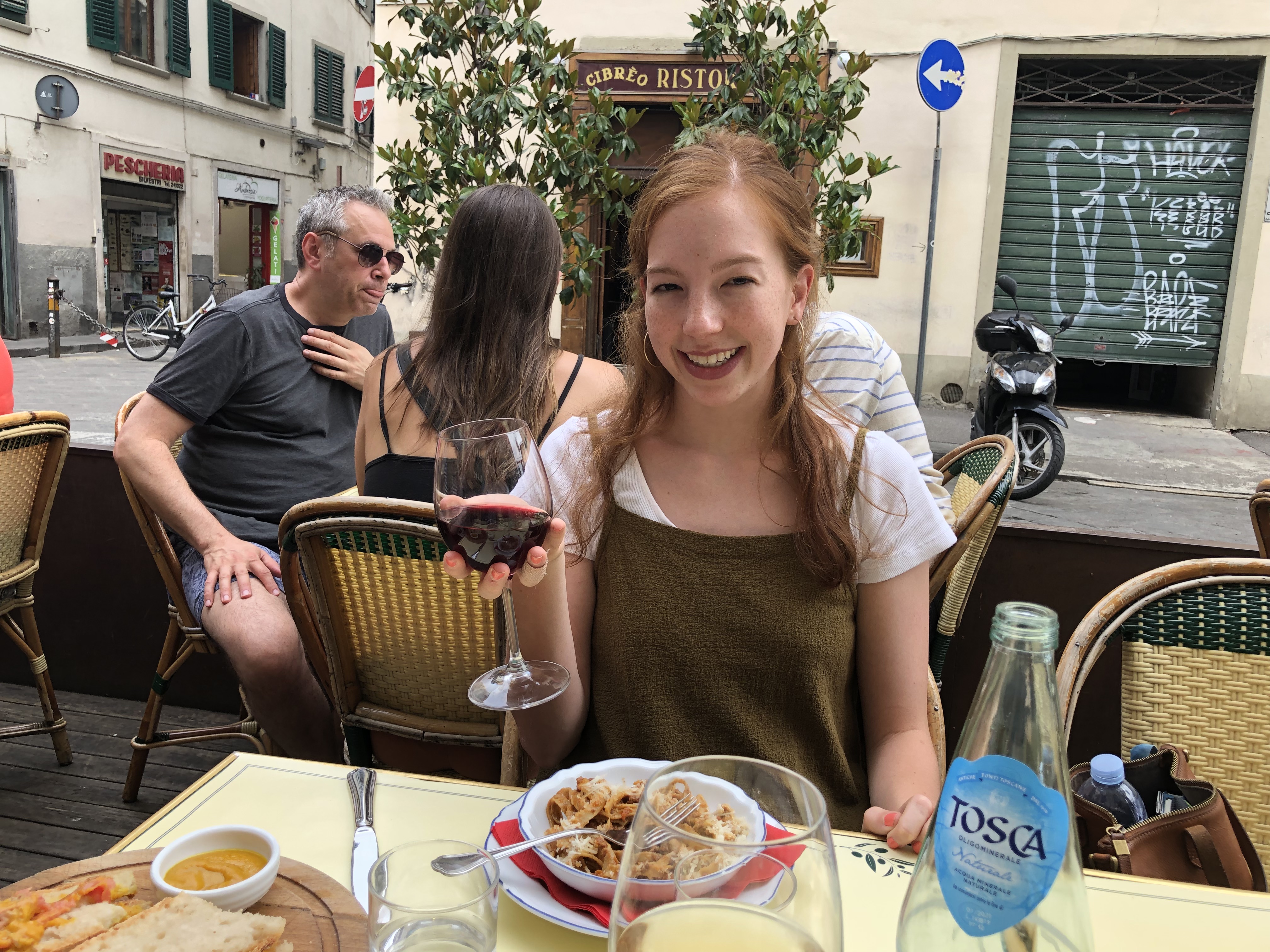
The day in Florence was filled with many triumphs, and several mistakes. First off, Florence has a different feel than Sansepolcro. Firenze is full of tourists, and the main Piazzi cater to the needs of Americans. There is ice cold water, menus in English, and an abundance of scams! At times it was frustrating to witness how unauthentic the tourists attractions were compared to the unapologetically Italian streets of Sansepolcro. In this time of cultural adjustment, it is difficult to balance the overwhelming sensation of the American and Italian culture clash, and Firenze tipped the balance. Feelings and stressors seemed to calm when we exited the main stretch and explored the art and monuments I researched. My fellow art students and I stuck together to visit Santa Croce, Casa Buonarotti, and Loggia dei Lanzi. What really stuck out to me were the gorgeous inlaid marble/stone graves on the floor of Santa Croce. There were lions, Barberini bees, skulls and crossbones, and we even saw and stepped on the grave of Lorenzo Ghiberti. Finding our independent museums and churches without the help of our Professors was a lot easier than I had expected, but I had to consult a dorky map at times. It is hard to grasp how much I saw yesterday. I saw so much art that I have studied, and even got to climb it (Cupola di Duomo). At pranza I enjoyed homemade tagliatelle pasta with ragu and an incredible glass of chianti. Pranza at Cibreo Caffe made up for the 8 euro gelato that was actually ice cream I purchased.
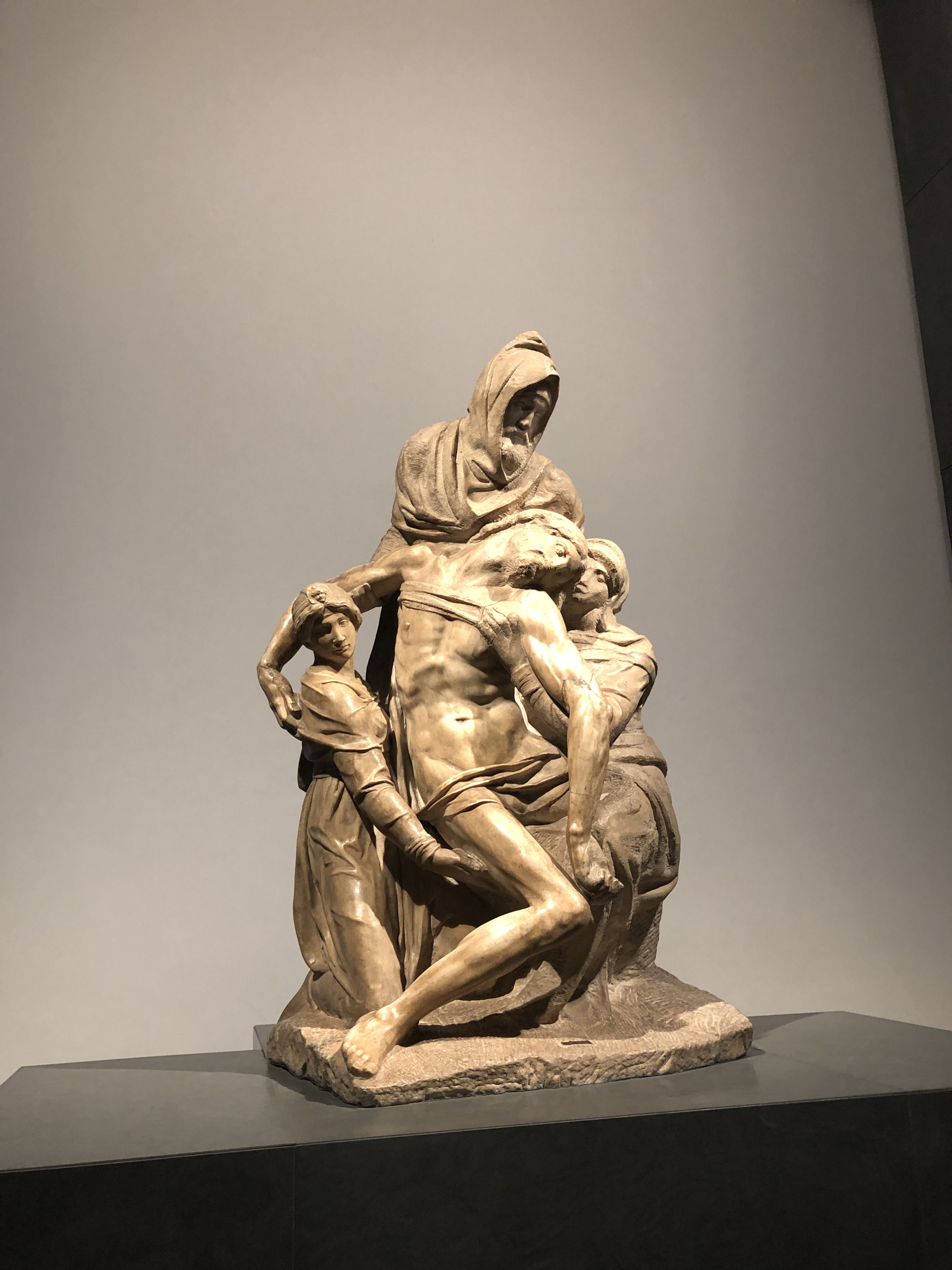
Michelangelo’s Pieta in Museo di Duomo
The biggest lesson I learned other than pull out more cash, was about the train station. We arrived in Florence with a ticket to return to Arezzo where we could choose our train. We had the same type of ticket to catch a bus from Arezzo to Sansepolcro. We had planned to take the 19:13 train to Arezzo, but instead caught the 19:22 regionale train to Arezzo. A kind woman on the train with us warned about how many stops the regionale has, and she hadn’t lied to us. During all of the stopping and starting, we missed our bus and had to order a taxi. When we were swept off the train and the conductor even left, we knew we had made it to the end of the line, Arezzo. Francesco drove us back to Sansepolcro, only running one red light and for a lovely fee of 64 euro. As we arrived back into Sansepolcro and “La Scorpione” was in sight, “Sweet Home Alabama” began playing on the radio. After a long day in Firenze and every small town between there and Arezzo, we had made it home.
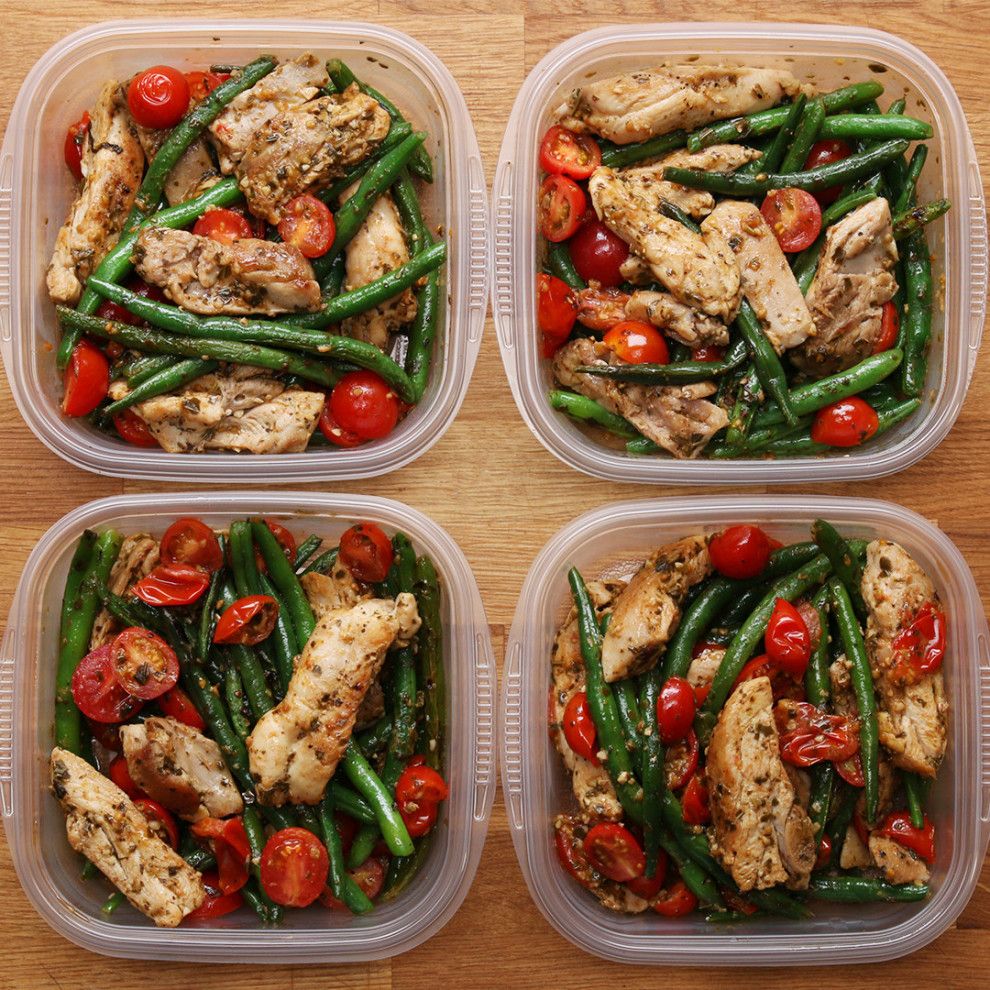
In the rush of western society it seems that we are all trying to get ahead. By get ahead I mean, complete our everyday tasks as quickly as possible so that we can get to the couch to watch Netflix at the end of the day. It’s a race to nowhere. This speed and efficiency idea is embodied by the concept of “meal prep”. The new, trendy idea of “meal prep” does not mean preparing ingredients for that days meal, it means preparing food for many future meals that can be reused throughout the week. If you research meal prep on pinterest, you will find many different plans on how to cook enough food to last you through the whole week, such as veggie medleys, chicken and rice, and pastas. Making your meals in advance will save you time in your journey to that nightly Netflix, and ultimately the journey to the weekend. It’s like we view the act of cooking as a burden, instead of the artful, mindful process it is. When my Italian Professor was cooking us her infamous Risotto Milanese, from her home of Northern Italy, she explained that she only makes enough risotto for the meal, so there were no leftovers. I began to wonder what the Italian take on this trendy “meal prep” was. Do Italians cook in advance or reuse meals throughout the week, or do they only cook enough food for the meal at hand? I was unsuccessful in finding information on meal prep in Italy, and what came up was “Italian” meals that could be prepped for the week in advance from American blogs.
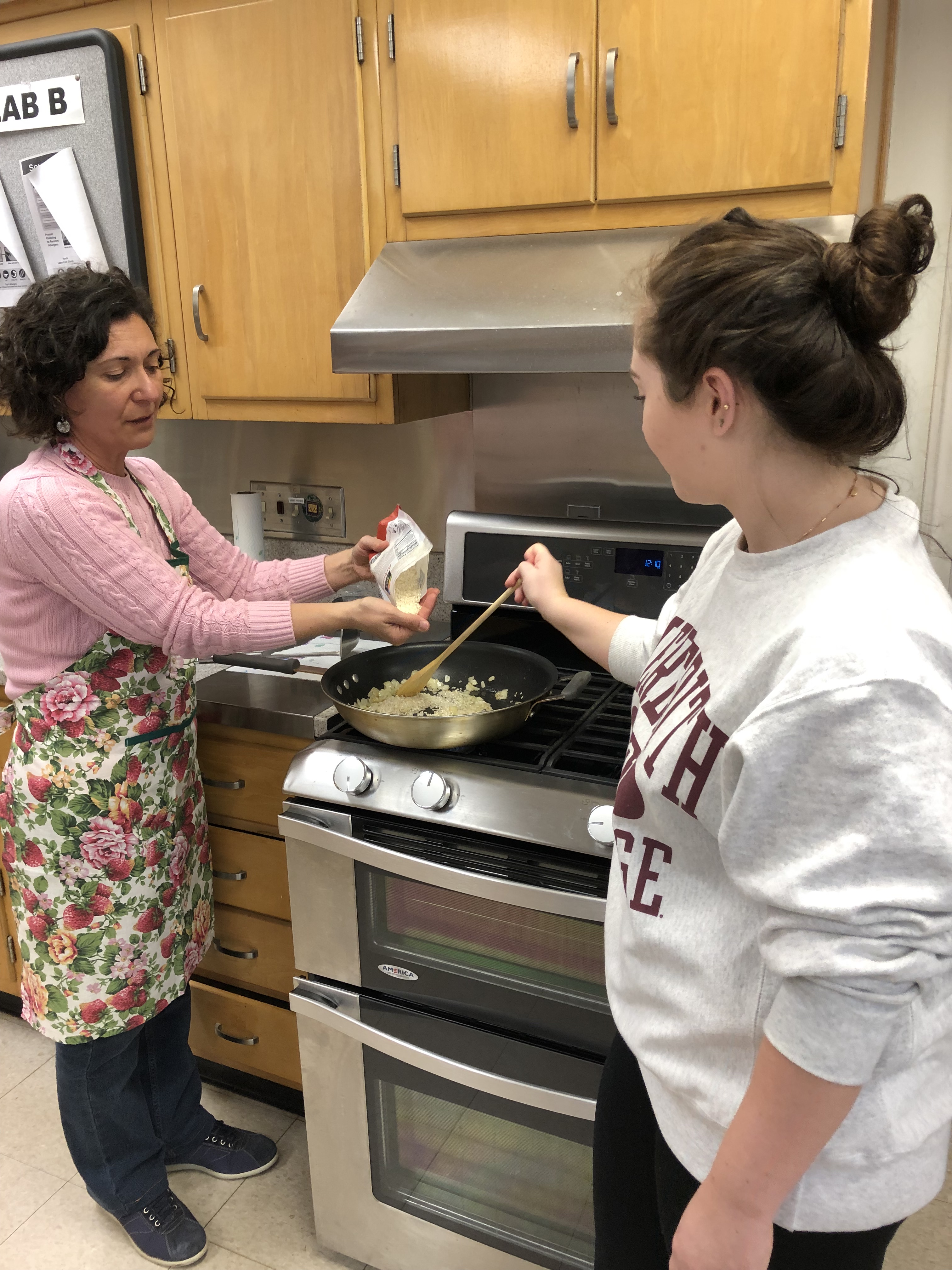
My Italian Professor counting the servings of risotto by hand, making sure there was just enough for everyone
I had to rethink what “meal prep” is. At its core, “meal prep” is just making leftovers for the whole entire week in advance. Leftovers are a topic of much debate when it comes to Italians and food. Even though the concept of wrapping up food that was not finished at dinner was invented in Rome, getting your leftovers to go is not an option in many Italian restaurants today. In my research I found that there are several reasons that leftovers are not taken “to-go” in Italy. One reason goes along with my Professor’s cooking technique with her risotto. When cooking, a chef uses enough ingredients to make the appropriate sized proportion for the meal, as not to be gluttonous. Another reason is that food is prepared to be eaten right when it is cooked in Italy. No, your leftover risotto was not meant to harden in tupperware and be nuked in the microwave until the hardened butter chunks have melted. Anything left on your plate in Italy is scrapes, and to take it home would be a sign of poverty.
It is ironic that the to-go bag concept was traced back to sixth century BC Rome, yet is looked down upon in Italy today. It’s hard to say how Italians would feel about the concept of “meal prep” that we Americans seem to be fanatic about. Since “meal prep” is literally making leftovers for the whole week that will sit in the fridge for days, I doubt that Italians would enjoy the trend. The issue of food waste has been a problem in Italy, and the Slow-Food movement has been working to encourage the use of the American coined term “doggy-bags”, to take home leftovers. I feel like the mindfulness and artfulness of Italian cooking combined with the resourcefulness of American cooking could account for a happy balance.
Not to be cheesy but I have nostalgic feelings regarding cheese. Whether it was pouring Parmesan on my pasta, melting american cheese on my ramen noodles (ew), string cheese, or stealing around 10 cheese cube samples from the grocery store, cheese has been a huge part of my childhood. I wrote songs about cheese and even started a “cheese club” with my neighbor Olivia, we were the only members. My love of cheese came to a drastic stop when I discovered I was lactose sensitive and I was going to have to cut dairy out of my life. Every once in a while I miss cheese and use lactaid supplements so I can enjoy some dairy. This is only on rare occasions, and it has to be good cheese, not the processed crap, I mean Kraft.
In my Italian Cuisine and Culture course at school, we had one of the chemistry professors come in and give a lecture on cheese. She taught us about the fermentation process and the basics of the cheesemaking process. I am challenged in the sciences, but I remember her mentioning that once milk is heated, you can choose to add an acid such as lemon juice or vinegar, or an enzyme or protein to the milk to make it solidify in curds. Then you can add salt or age the cheese to your likings. We sampled several cheeses she brought in. Don’t worry, I started with my lactaid supplement, and then tasted mascarpone, taleggio, and solada cheese. I had fun learning about the different ways the cheeses were produced, and the distinctive tanginess that can be tasted in cheeses made from sheep’s milk. I knew I was ready to try out some cheeses on my own.
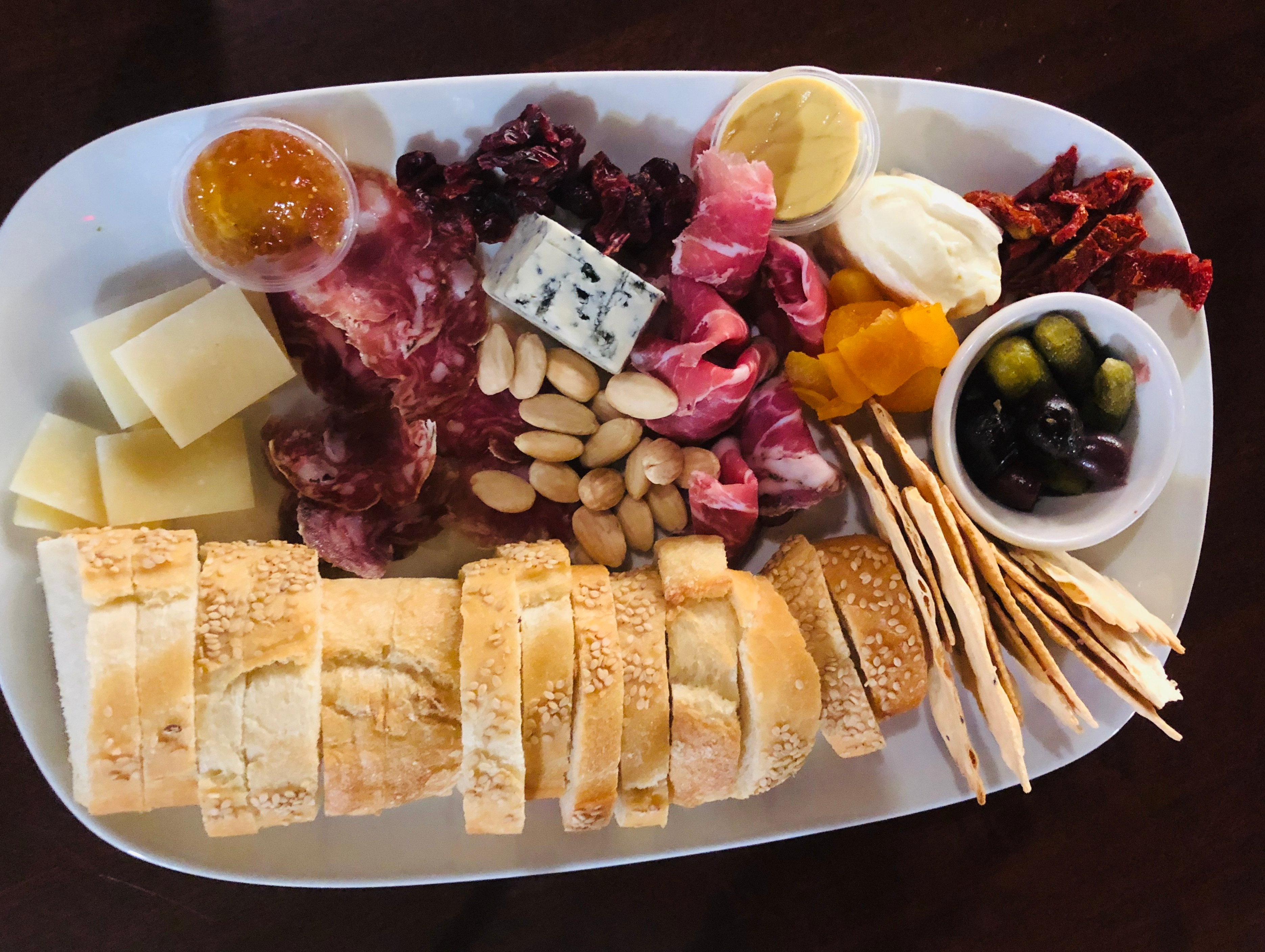
It is pretty simple to do your own cheese tasting. You can head to the grocery store and purchase cheeses with the official DOP approval and create your own cheese plate. I didn’t trust myself to properly select cheeses and put together a platter, so I headed to Pro’s Epicurean in Cary to have a professionally curated charcuterie plate.
We walked into the serene atmosphere of Pro’s, where you can either go up to the deli counter and order, or be seated. It was the perfect environment to enjoy a charcuterie plate. I chose to get a 5 item plate and chose a 3 cheese to 2 meat ratio, and requested that the cheeses and meats be Italian as opposed to French or Spanish. We gotta keep with the Italian theme here people. Our lovely waiter was informed that I would be writing about the different cheeses so he kindly wrote the names and brands of all the meats and cheeses on a piece of receipt paper. He got a nice tip!
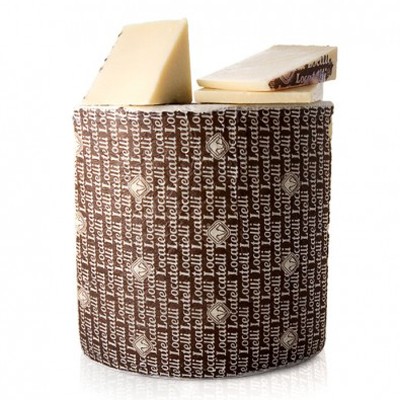
The first cheese on the plate was Locatelli Romano cheese. I knew on first bite that this was a sheep’s milk cheese due to the tangy flavor. The cheese was dry and had a salty flavor that pairs nicely with the apricot preserves on the plate. This was definitely my favorite cheese on the plate, and I appreciated that it was served in small slices.
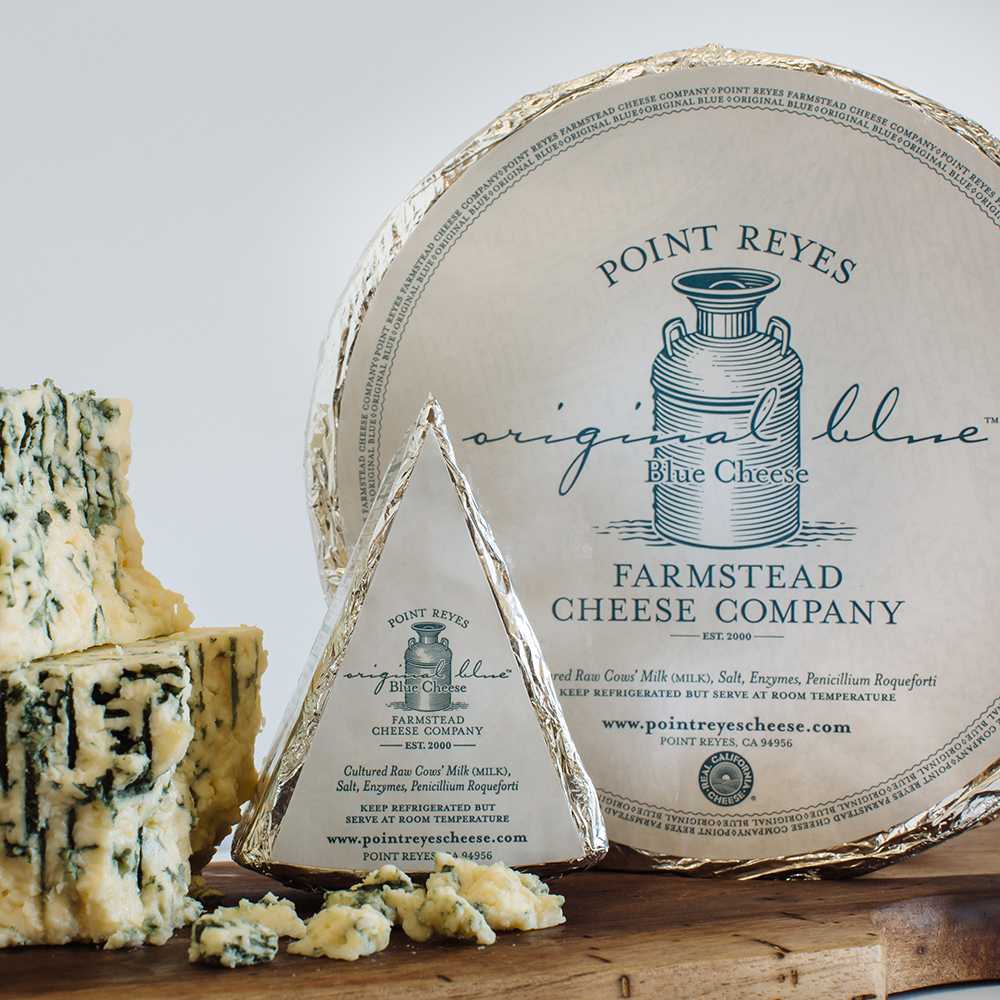
My second favorite cheese, and the next one on the plate was the Point Reyes Blue Cheese. It was served in a block and surprisingly had a buttery consistency when you cut the block, instead of crumbling like I had expected. This blue cheese had a strong flavor and was very salty. Blue cheese is made with an enzyme added to the milk, thus creating that distinct blue cheese smell. You either love it or hate it I guess.
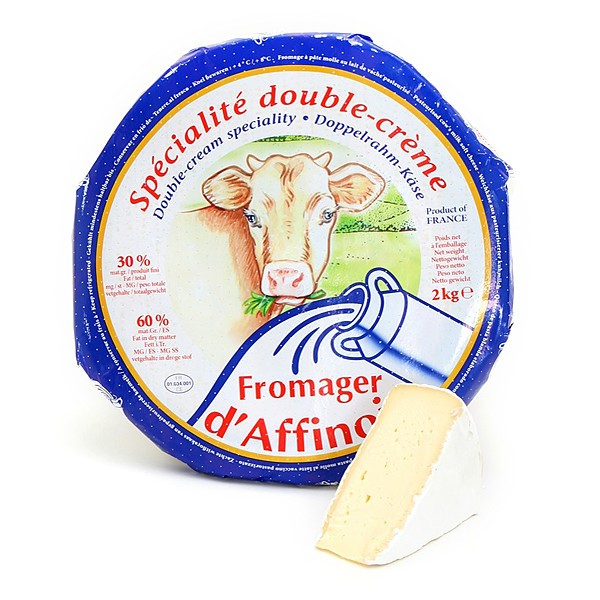
The last cheese on the plate was d’Affinois double cream brie. It was very mild and light for a brie, which I appreciated. Some bries can be too much for me. The cheese spread so easily on the bread and crackers, and was very buttery with a slight salty taste. Thankfully it did not have that moldy brie aftertaste!
Even though this blog is dedicated to cheese, I didn’t want to leave out the lovely meats on the plate. If you eat meat, then it is always a crucial component to a charcuterie plate. The circular sliced meat was a sweet sopressata which is a dried pork cured salami that originates from Southern Italy, and is made from ground pork sausage placed in a casting. The other meat, Coppa, also called capocollo, is a dry cured pork cold cut made from the muscles of the pig, making it similar to prosciutto. Both meats were fantastic and full of flavor!
Cheese is something that can be overlooked, and not everyone understands the science and process of cheesemaking. You don’t have to go through the process of making your own cheese to appreciate it, but deepening your understanding of cheese flavors and types can broaden your enjoyment of cheese. As Olivia and I said in our “Cheese Club” pledge, “you must try as many types of cheeses as you can, no matter what the cost, to prove your love of it!”. I highly recommend going out for a charcuterie tray or doing your own cheese tasting, and take time to mindfully taste and compare the flavors.
Several months ago I set out on a journey to create tagliatelle verdi, and several weeks ago I got to eat homemade fettuccine verdi at Pasta Plus, an authentic, family owned Italian restaurant. I wanted to see if it was truly worth it to make homemade pasta, or if I should leave it to the masters.
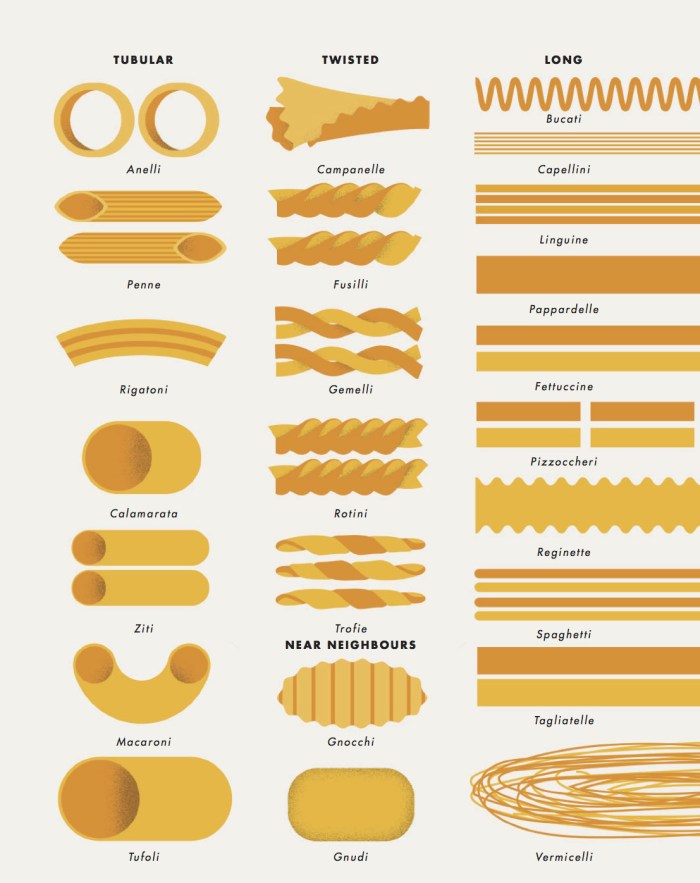
Here is a pasta comparison chart so you can observe the slight difference in Tagliatelle and Fettuccine noodles, which created a slight difference between my pasta and Pasta Plus’. ( https://www.foodrepublic.com/2017/03/21/pasta-shapes-to-know/ )
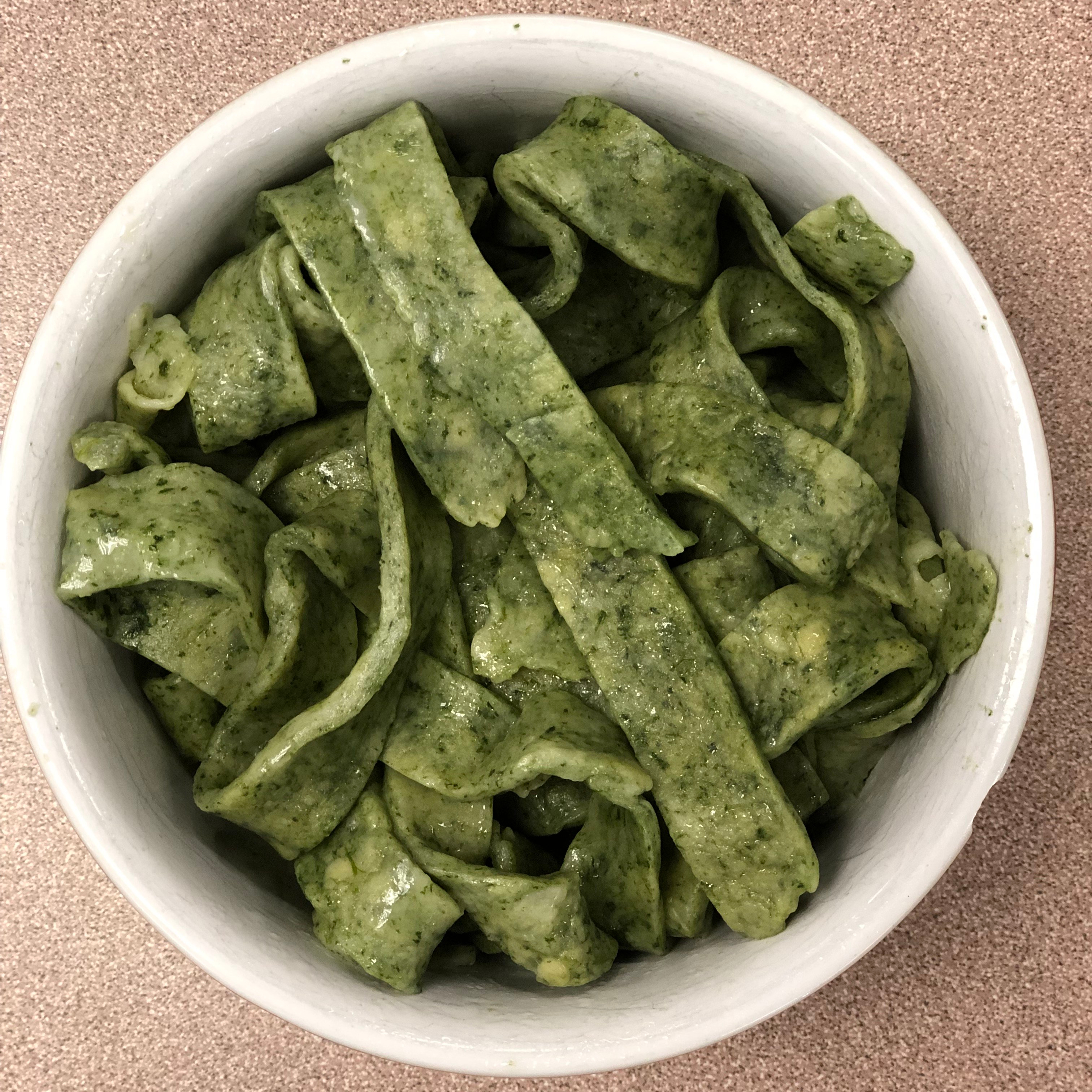
It has always been a dream of mine to make colorful pasta. There are recipes and videos on how to dye pasta different colors using different spices and vegetables, and they all sparked my imagination. When I was deciding on a recipe to cook from Pellegrino Artusi’s “Science of the Kitchen and the Art of Eating Well”, I wanted to take a stab at making tagliatelle verdi which gets its green color from popeye’s favorite, spinach. The process of creating this pasta was difficult, especially because Artusi gives such vague directions to make the pasta. I worked on the tagliatelle until the sun went down, boiling the spinach, folding the eggs and flour together, kneading the dough, and painfully rolling it out. I dreamed of a pasta maker as I used every bit of strength in my arms to roll the dough flat. The spinach created a beautiful green color, but made the dough tougher to roll. When I eventually began cutting the pasta into strips, it was way to wide for tagliatelle and slightly too thick. The finished product however was very tasty. After the pasta was boiled I stirred in a little bit of olive oil and sprinkled some sea salt on top. It was the right consistency, just chewy enough, but maybe slightly too thick.
My finished tagliatelle verdi
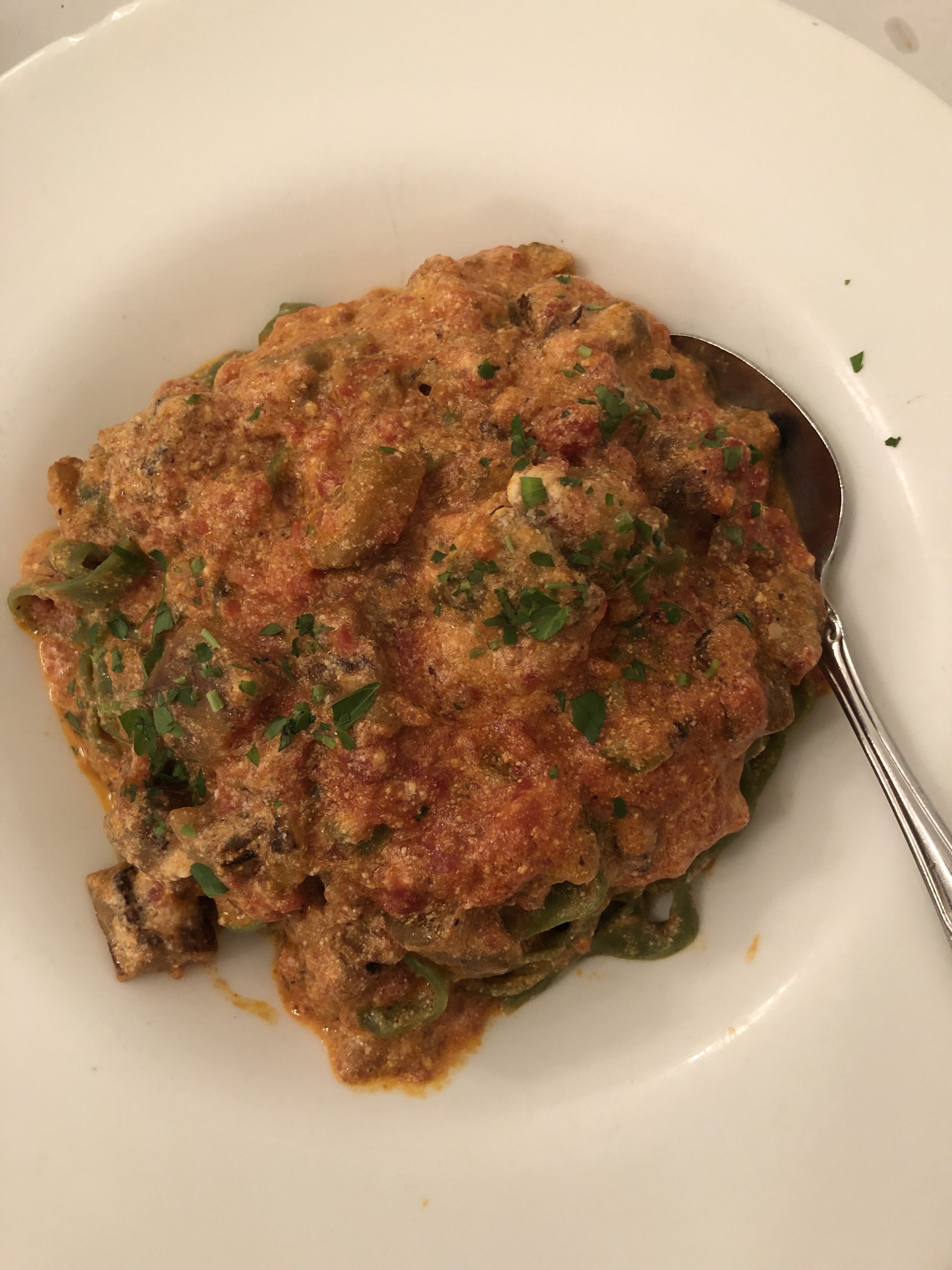
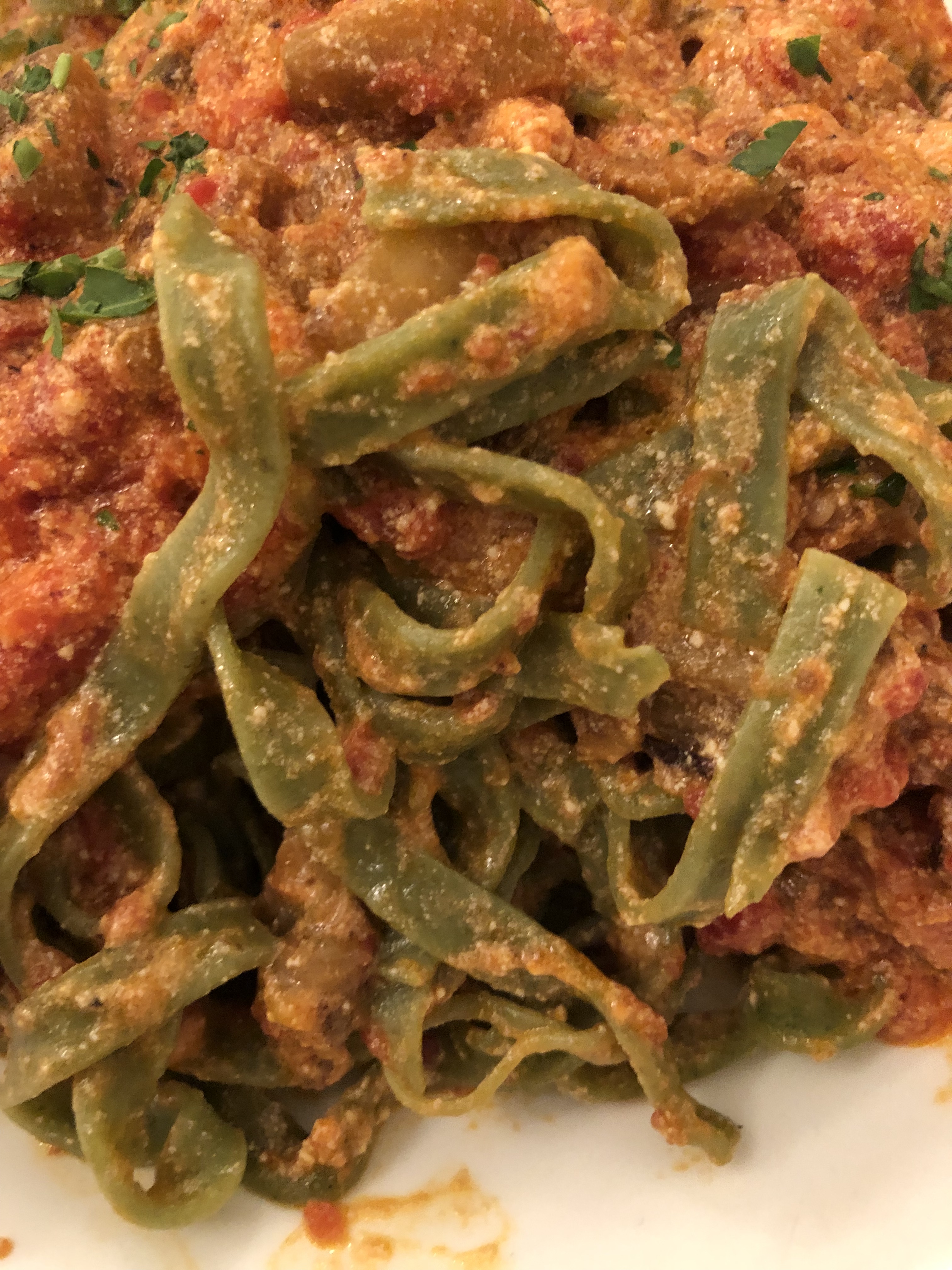
When I went to Pasta Plus restaurant in Laurel Maryland I was super excited to eat their homemade pasta. I ignored the rest of the menu, going straight to the pasta page, and I was surprised to find fettuccine verdi, which is a long noodle like tagliatelle. I ordered the fettuccine verdi to taste how it compared to the tagliatelle verdi I made at home. The fettuccine was served with tomato sauce, eggplant and ricotta cheese, so I knew it was not going to be exactly like the “plain” tagliatelle I had made. When the waiter brought out the fettuccine, it seemed like a small amount of pasta with a red sauce on top. I poked into the pasta “mound” and found the beautiful spinach green noodles, and the mound unfolded into a massive plate of pasta, more pasta then I had made with the tagliatelle recipe. The green color was more even then in my tagliatelle, probably because Pasta Plus had better equipment for chopping up the spinach. The fettuccine was a lot thinner than the tagliatelle I had made, but it had a similar bite to it. The eggplant and tomato sauce was incredibly juicy and flavorful, I definitely want to recreate that sauce at home.
I was surprised at how close the tagliatelle I made was to the fettuccine verdi at Pasta Plus. Pasta Plus definitely made a better noodle than I did, but they most likely have a pasta machine and professional kitchen equipment. They also have a lot more practice! I recommend trying to make your own pasta at least once, it’s a rewarding feeling to have made pasta from scratch, but don’t follow the recipes from Pellegrino Artusi!
I arrived in Baltimore for Spring Break after an 8 hour train ride, with no AC and a loud man on the phone (the whole ride!) beside me. When my aunt and uncle picked me up from Baltimore’s Penn Station, they asked if I had any school work to complete over break. My answer, as it is every year was yes, but this year I had an especially exciting assignment. I needed to get some content for my Italian Cuisine and Culture blog, meaning I needed to eat some Italian food for “educational purposes”. They both looked at each other in the front seat and blurted out “Little Italy!” in unison. My uncle turned the corner and we drove into the magical neighborhood of Piccola Italia.
Little Italy came about when a large wave of Italians immigrated to Baltimore in the 1800s. In search of better opportunities in America, the Italian immigrants landed in a neighborhood near the Baltimore Inner Harbor. Irish, Jewish, and Italian immigrants banded together in the neighborhood due to shared experiences of homesickness and discrimination. Overtime the neighborhood was filled with a majority of Italians and the shops and streets were filled with Italian restaurants and groceries. Saint Leo the Great Italian Parish was built and the neighborhood earned its name, “Little Italy”. Little Italy is still a strong cultural neighborhood, filled with restaurants, and many proud Italians and Italian Americans. The neighborhood even survived a large fire that stopped right at the edge of Little Italy, and the residents claimed it was Saint Leo who saved them.
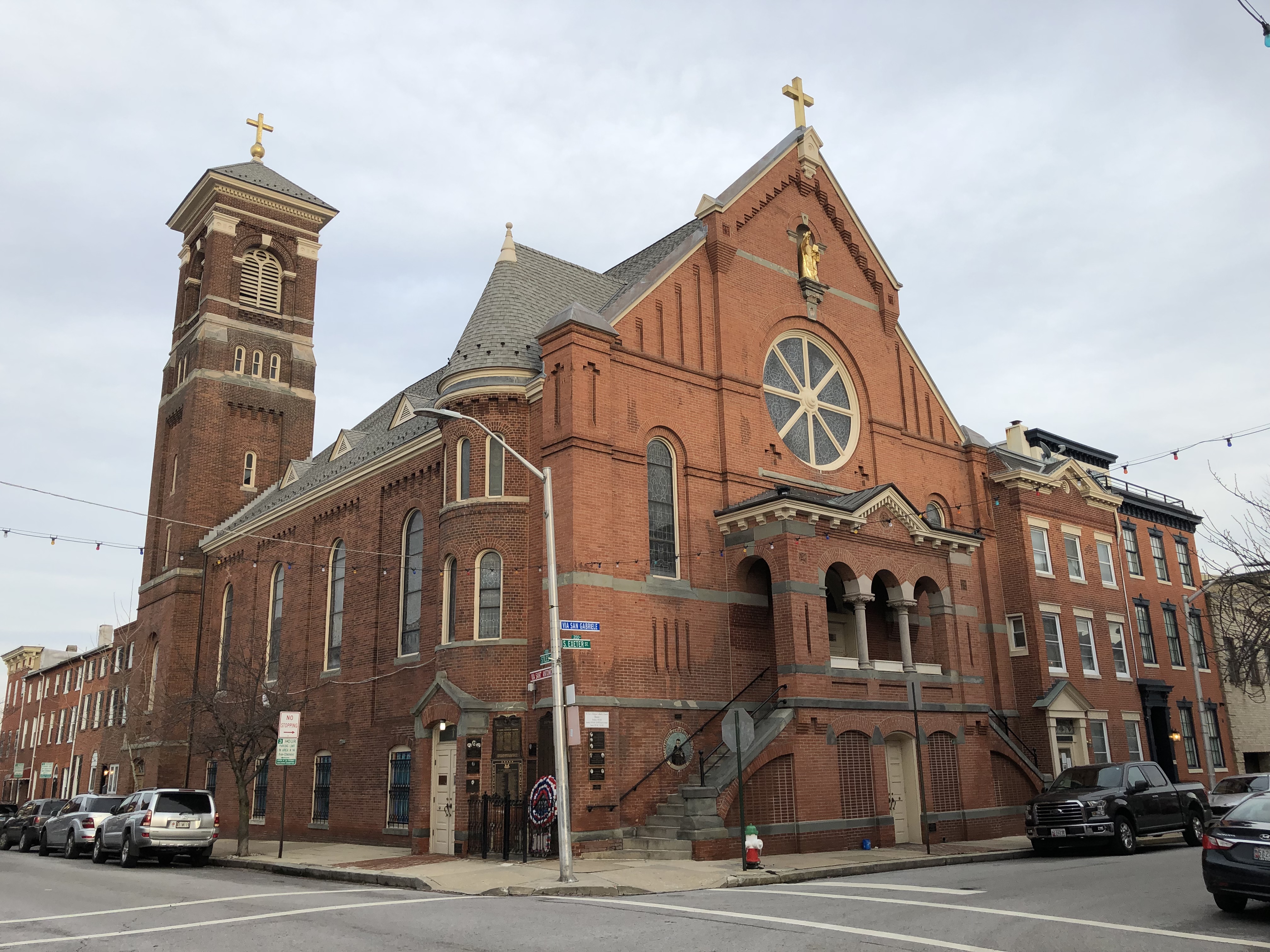
This is the beautiful Saint Leo’s Catholic Church during golden hour
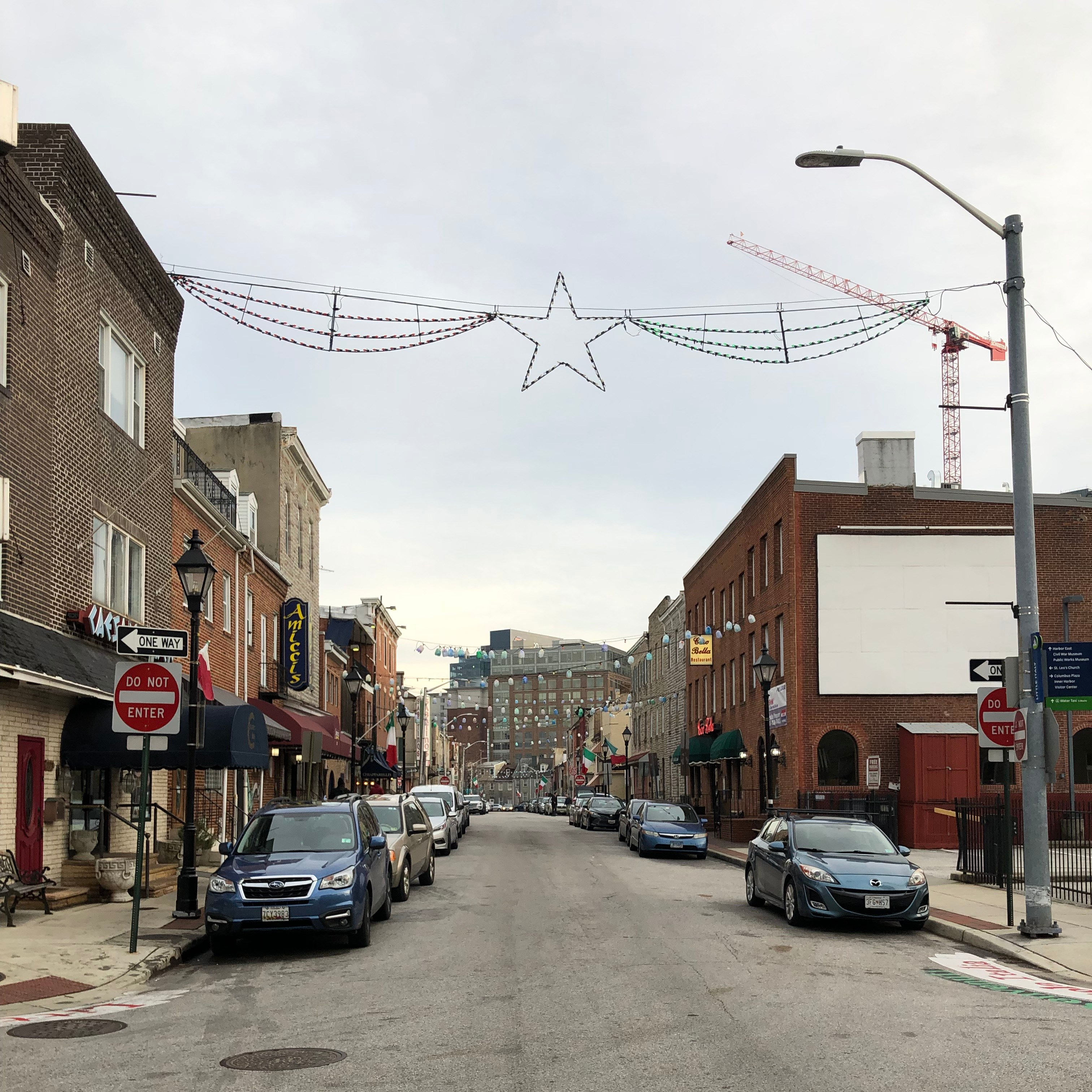
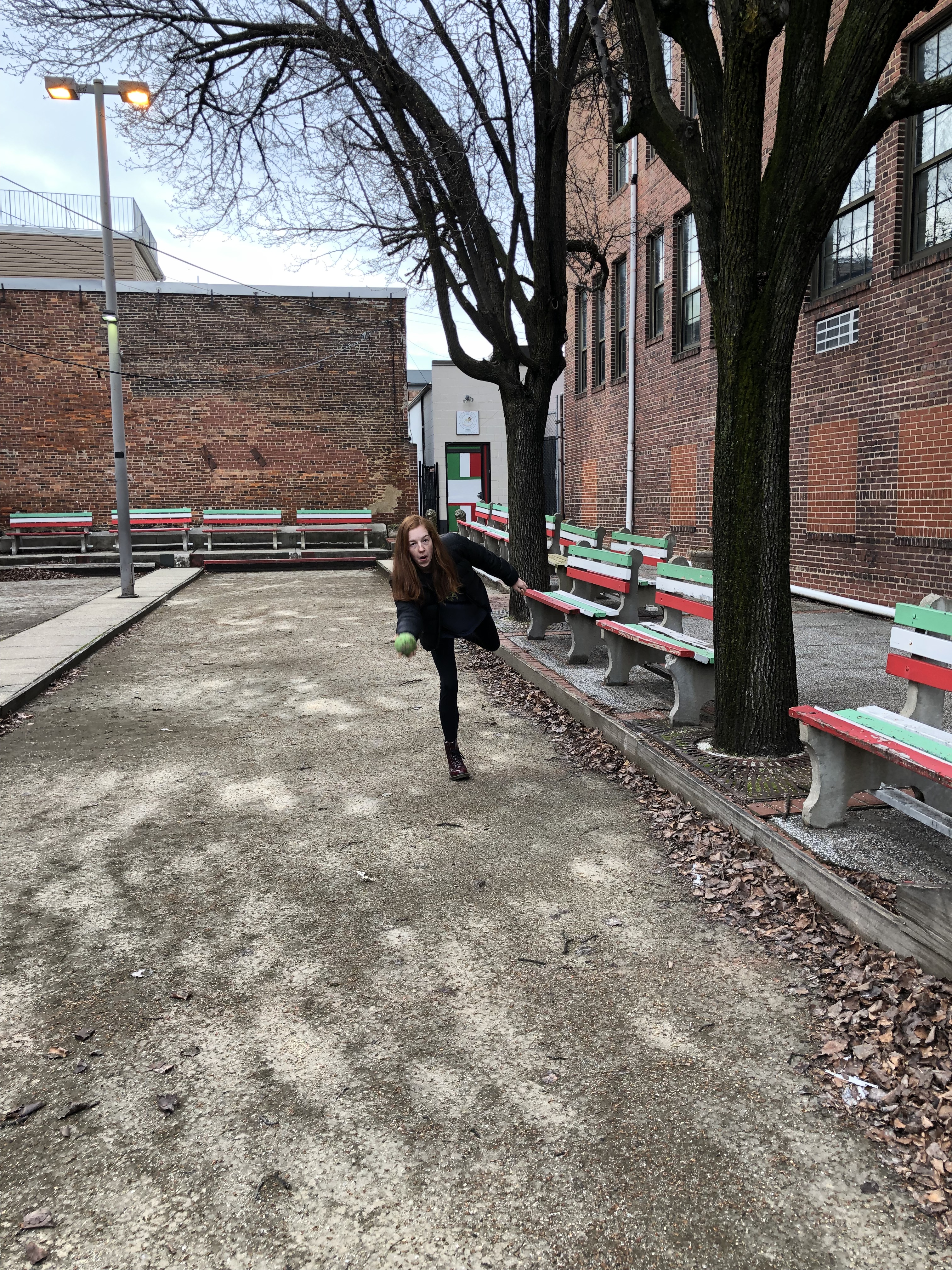
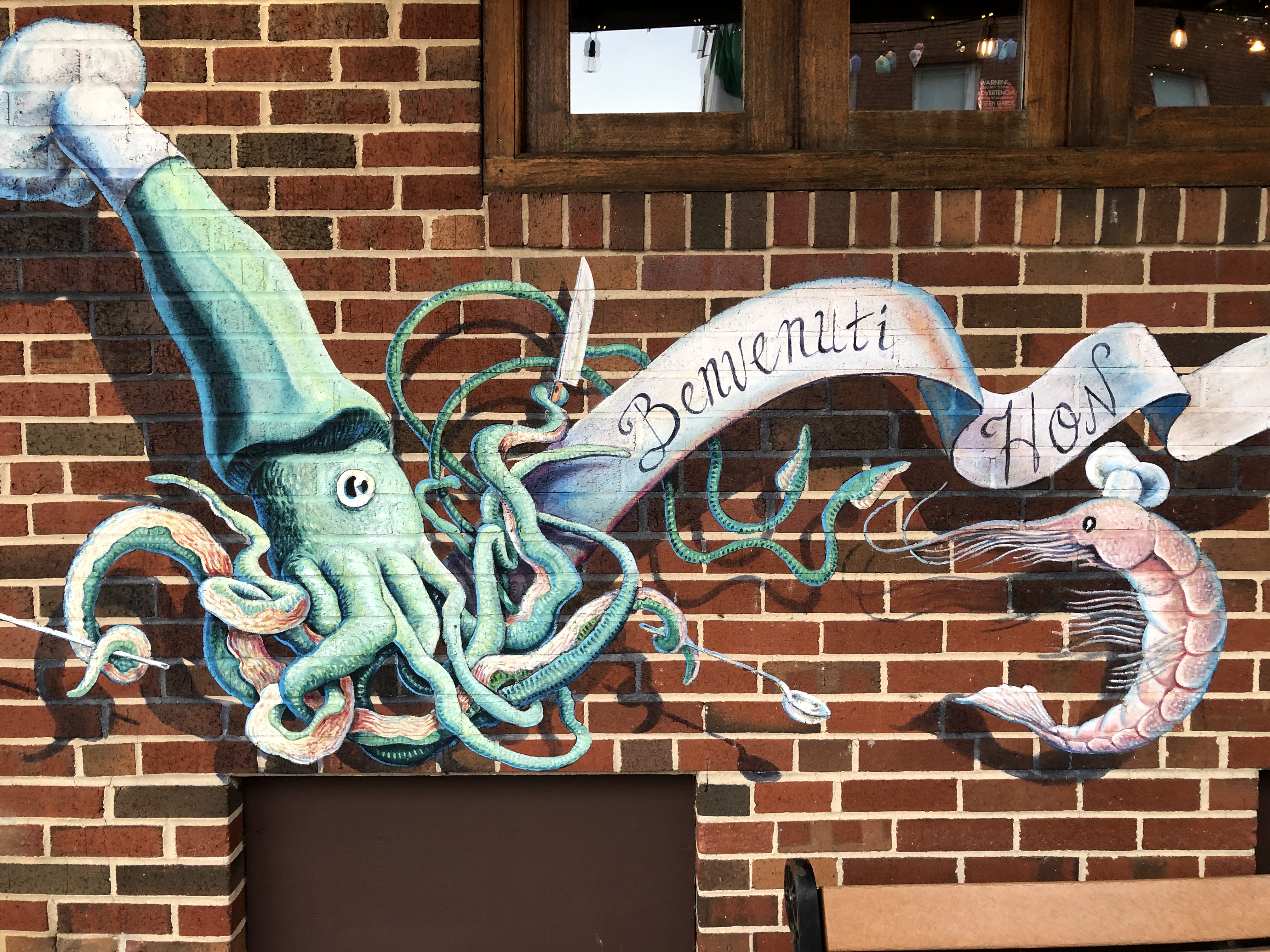
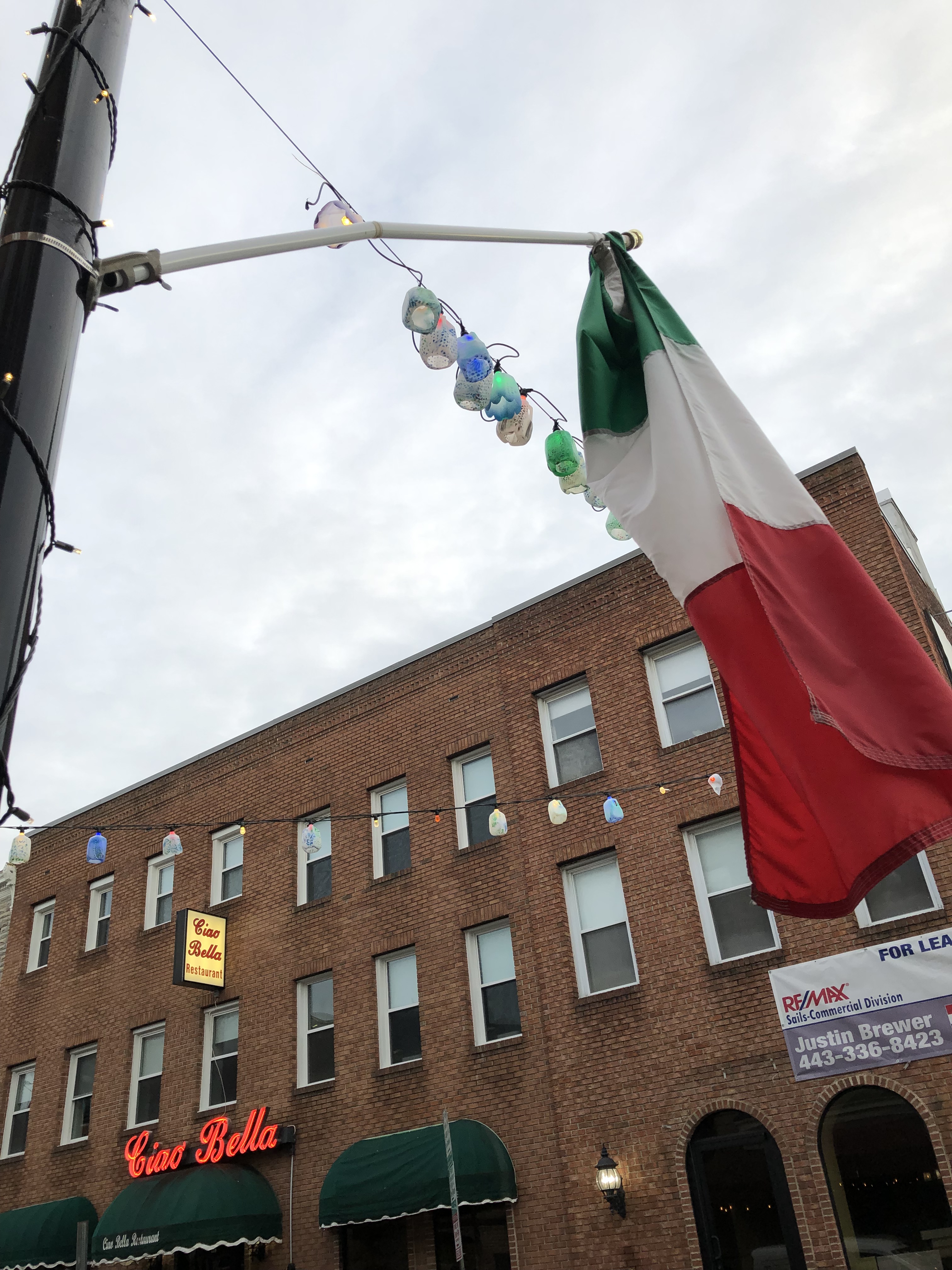
When you first drive into Little Italy you are immersed in a community full of row houses, murals, and restaurant signs. There are flags flying in the breeze, lights strung across the streets, and a feeling of pride and heritage that is never felt in the suburbs where I live. When we got out of the car to start walking around, I saw the beautiful Saint Leo’s Catholic Church, which was wedged right into the neighborhood. I stopped by the neighborhood Bocce Court (which was closed for winter), and I admired all of the murals and Italian flag colored fire hydrants.
Here I am playing some bocce with only one ball that was left over from summer!
The incredible amount of restaurants and shops that lined the streets make Little Italy feel so culturally rich and isolated from the wild happenings in Baltimore (I won’t get into the details). You can’t help but feel the love for all things Italian when you step into the neighborhood!
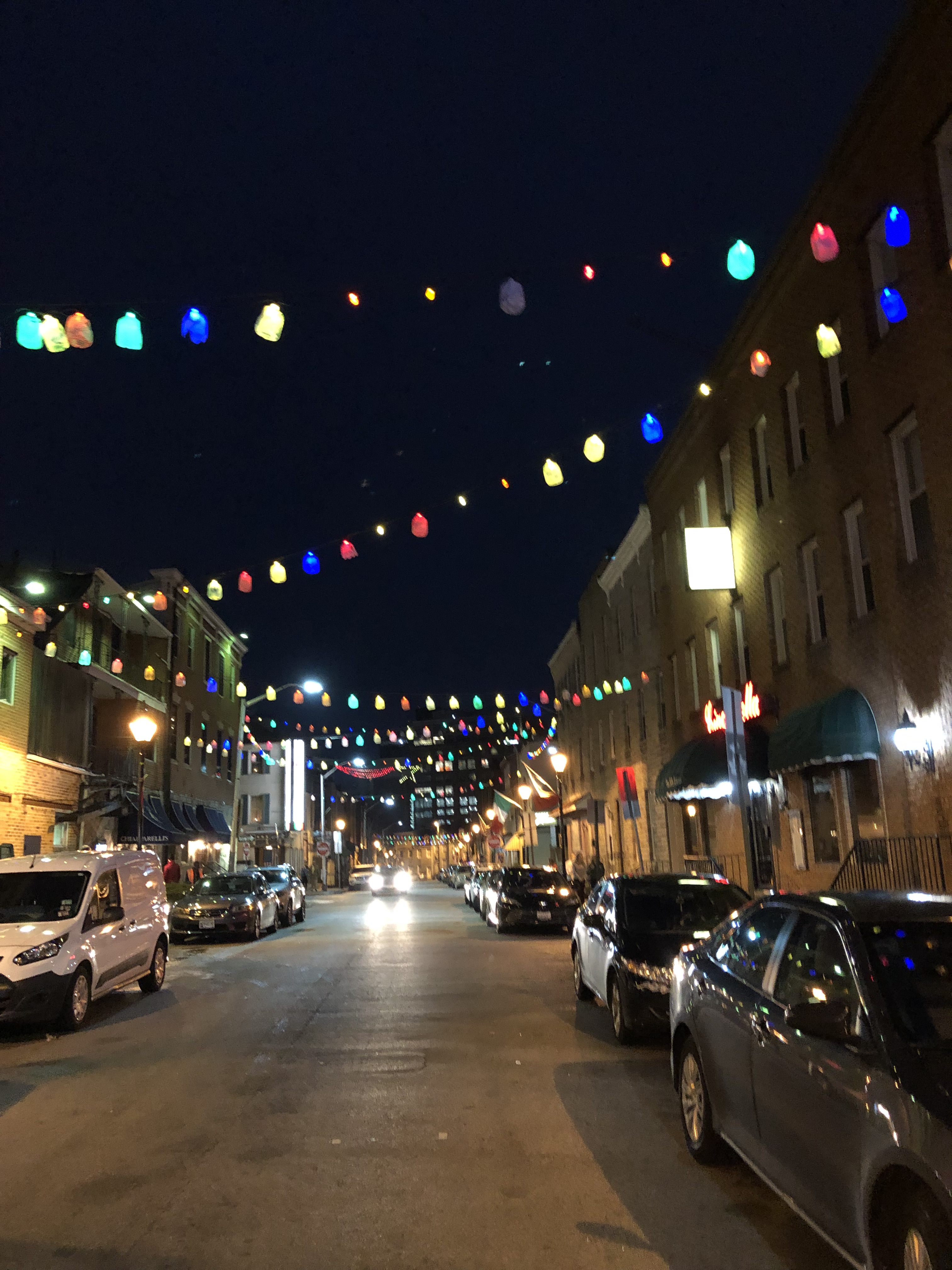
After we had some margherita pizza and the sun had set, we walked outside and I was awestruck by the glow of the string lights hanging around the buildings. Some of the lights were in the color of the Italian flag and some of the lights were inside of little painted milk jugs, which my aunt informed me were made during an art festival they have in Little Italy each year.
It felt like a little escape from the aggressive driving and the busy Baltimore Inner Harbor when we wandered around Little Italy. It was fun to go to Little Italy, but I am ready to go on to the real Italy next!
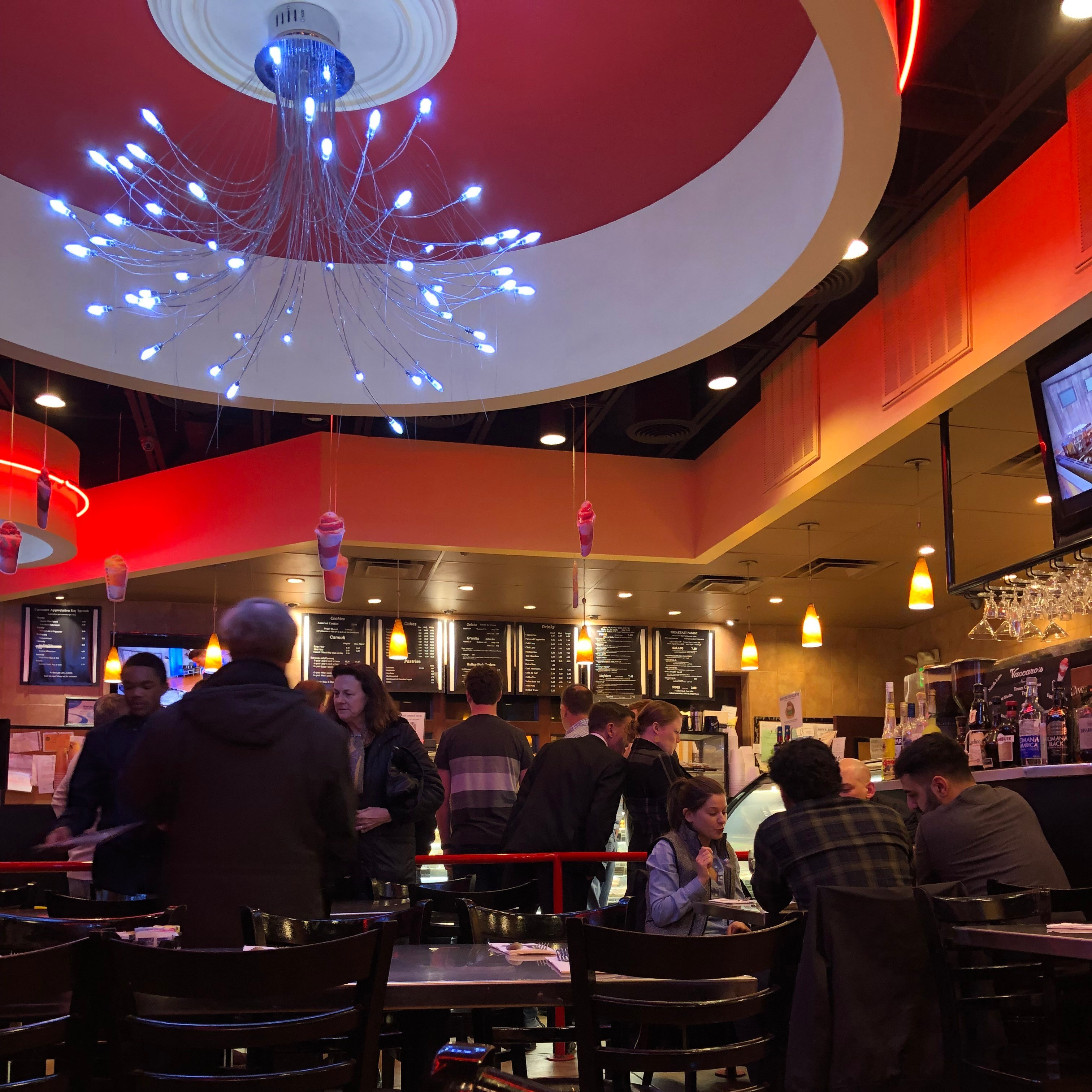
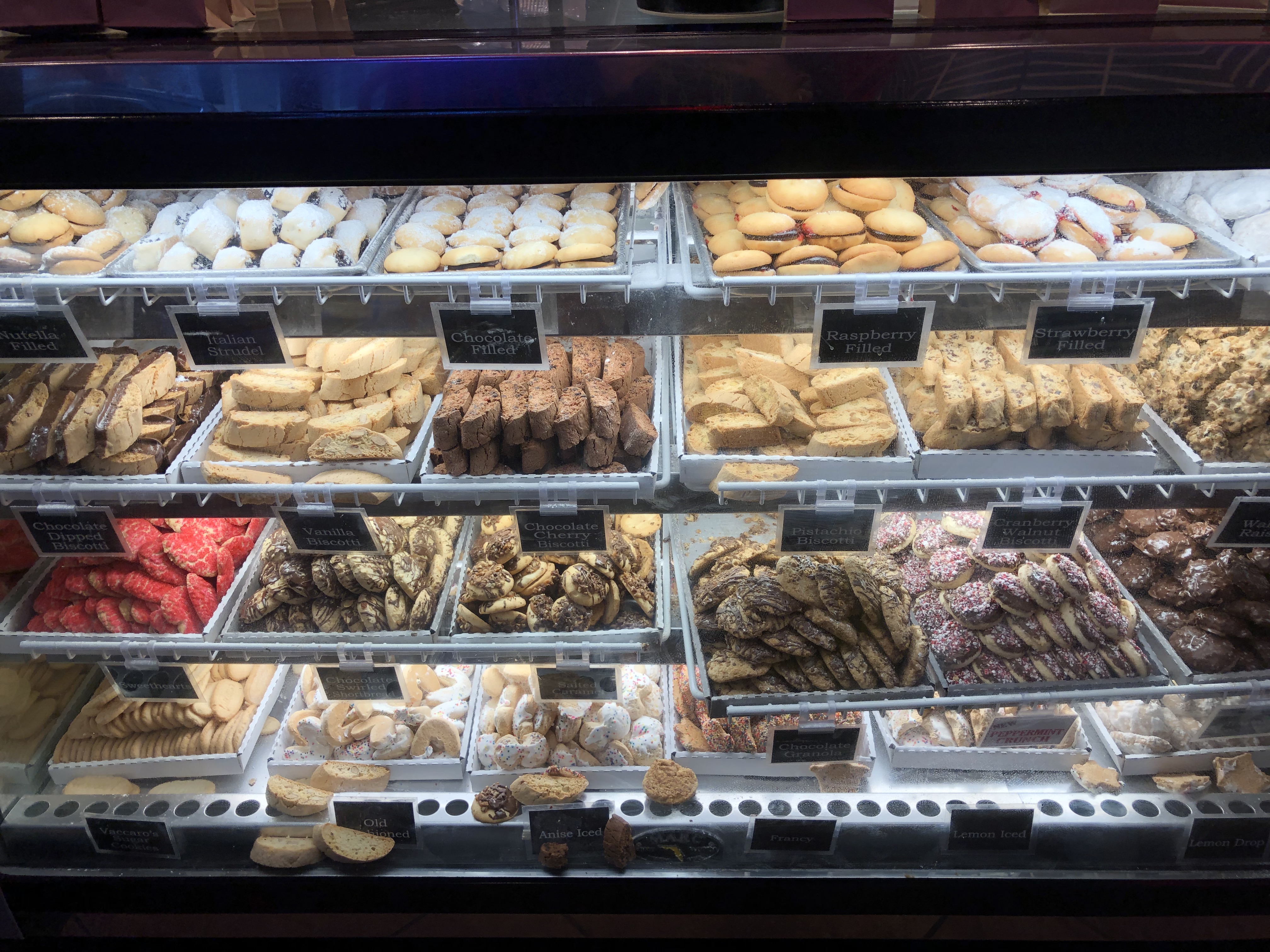
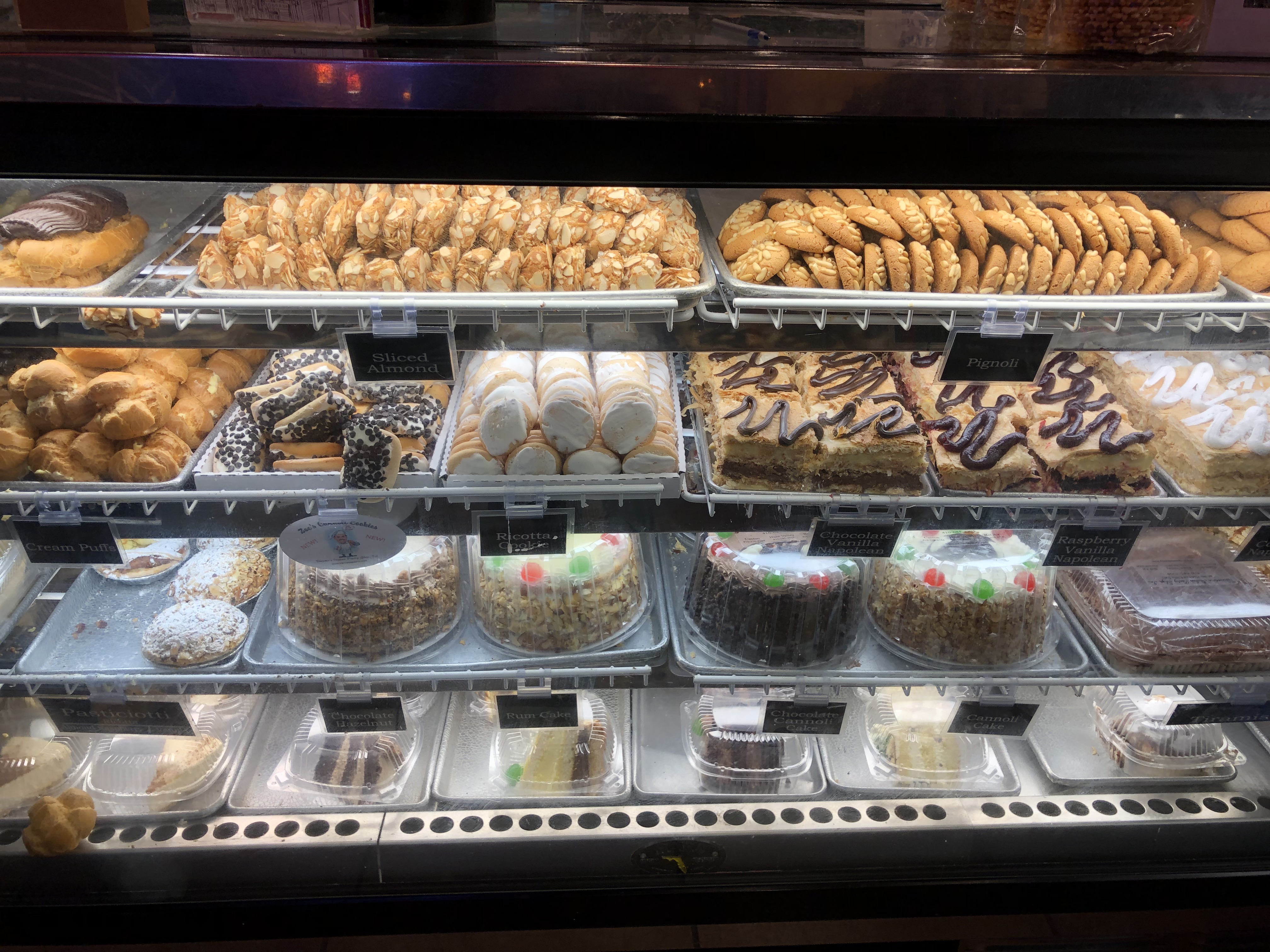
During a recent spring break trip to Baltimore, I was spoiled by my aunt and uncle on an excursion to Little Italy. After dinner my aunt pointed to a plain brick building with fancy white script that said “Vaccaro’s”. “They have the best desserts,” she said, and my aunt insisted that we go in. I didn’t walk up to the building with high expectations, the outside of the building looked very plain. Man, was my first impression wrong! I opened the heavy glass door and entered Italian dessert heaven. There were large cases of desserts, huge mirrors, sparkly chandeliers, and even an upstairs. From fancy red wall to wall, the sound of classical Italian music could be heard. I had no choice but to squeal with joy as our waitress sat us and handed each of us a five page dessert menu!
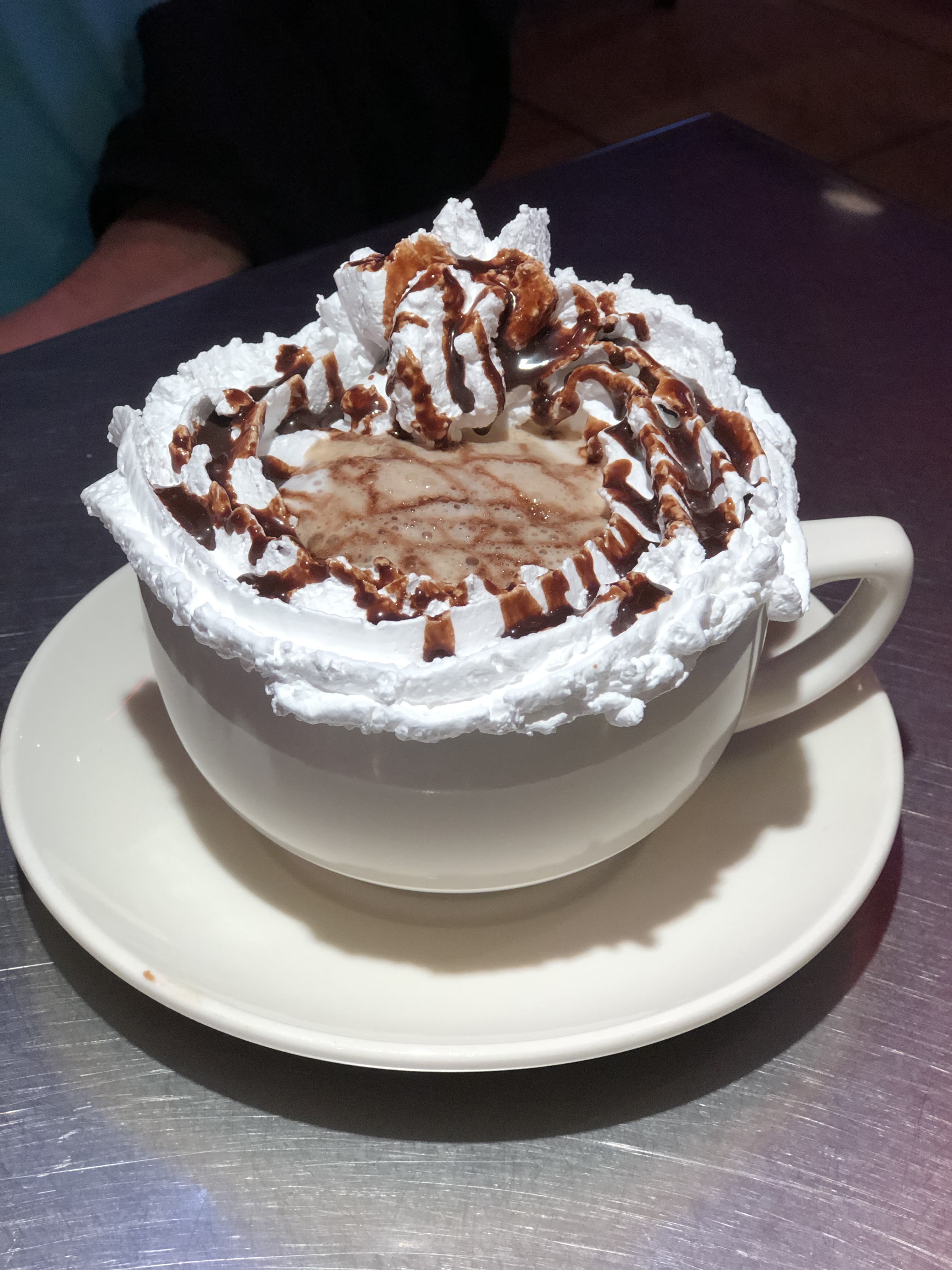
The prices were a little expensive, but my Aunt told me to not look at the prices, and that she would be treating me. I think she deserves the best Aunt ever award, and I made sure to savour my $8 cappuccino. *Disclaimer: I know Italians only drink cappuccino in the morning, but I like to break the rules sometimes, and yes, it was decaf! I was only able to get a normal cappuccino, but when I come back at 21 I will definitely be ordering the “Cappuccino Papa” which has Kahlúa in it. I might not be able to remember that experience to blog about it, sorry! My uncle ordered the mocha which looked heavenly. The mug was topped with homemade whipped cream around the edges, and an excessive chocolate drizzling! To his embarrassment I had to snap a photo.
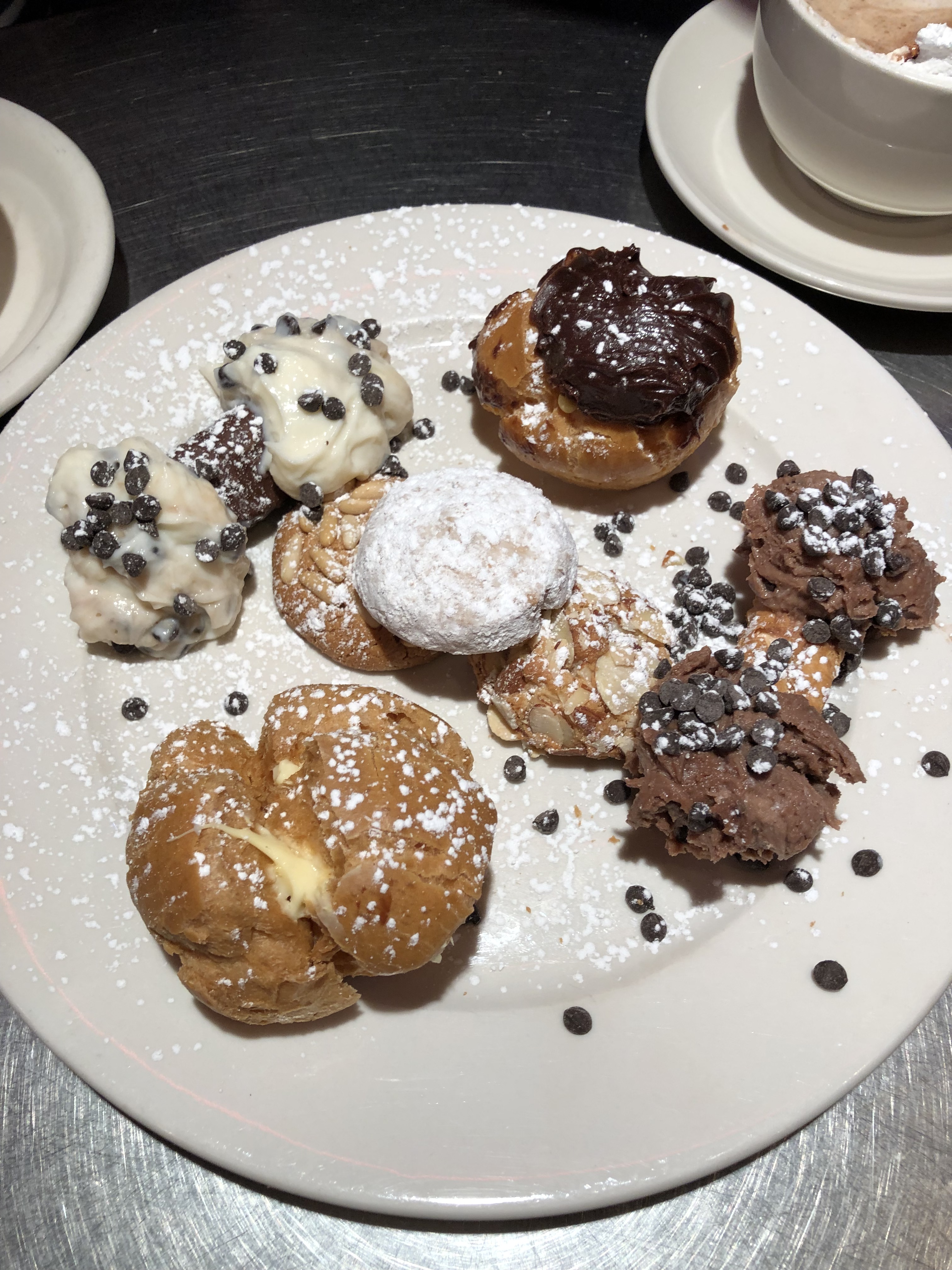
As I mentioned earlier, the menu, which is all dessert, was five pages long. I was overwhelmed, but joyfully so. We decided to get the sampler, which had 2 mini cannoli, 2 creme puffs, 1 pignoli cookie, 1 sliced almond cookie, and 1 wedding cookie. The waitress delivered the sampler, and my jaw dropped. The desserts were gorgeous, the cannolis were bursting with creme, and everything was garnished with powdered sugar and chocolate chips! The back of the employees shirts said, “You cannoli get it here!” and I think they were right! We destroyed that sampler, and surprisingly my favorite thing was the pignoli cookie, which was a soft cookie with fresh, chewy pine nuts on top. The nutty cookies, and savory pastry puffs complemented the sugary sweet custards and fillings in the desserts. Everything tasted freshly made and melted in my mouth. It was well worth the sugar hangover I experienced later that night.
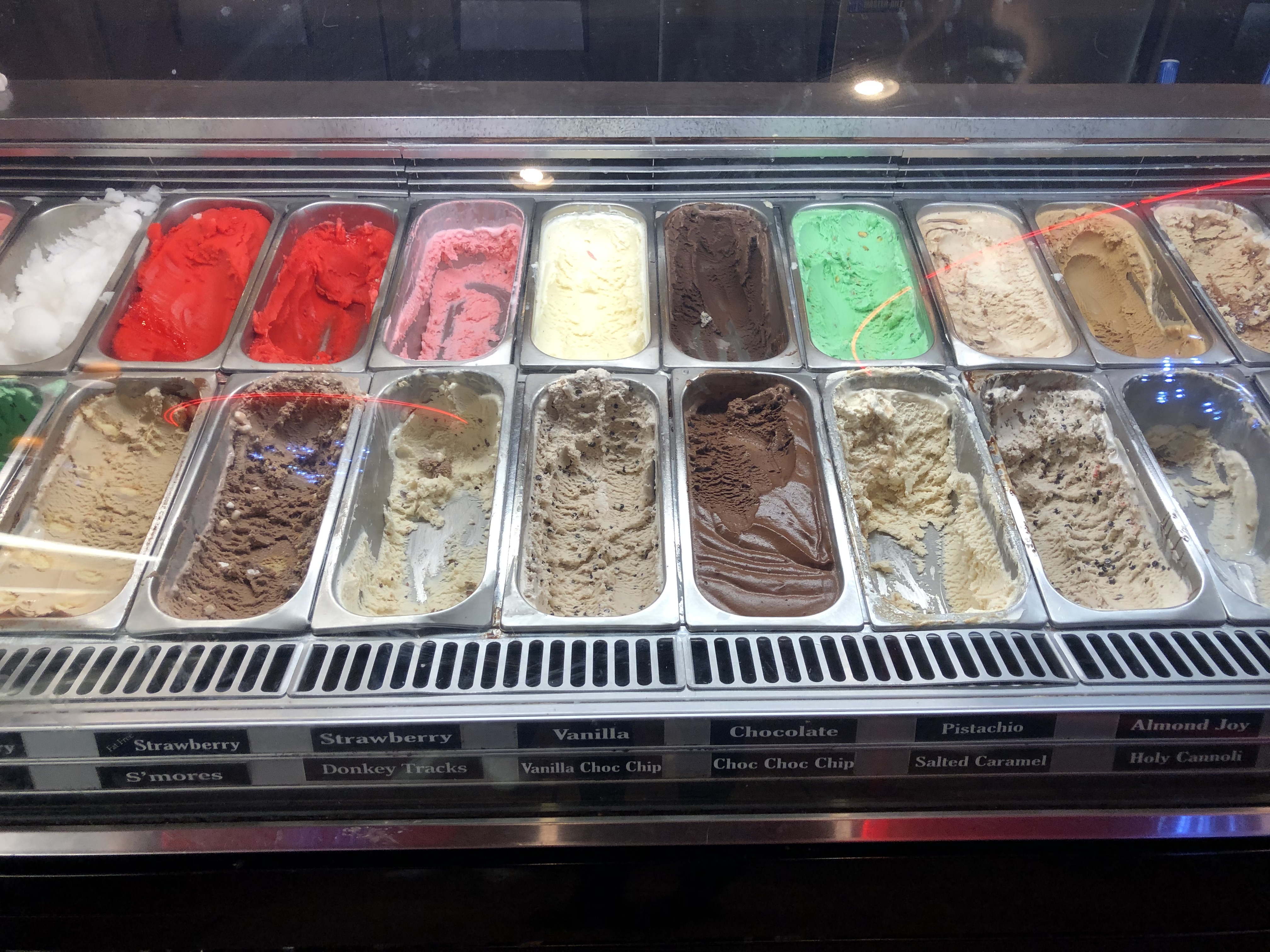
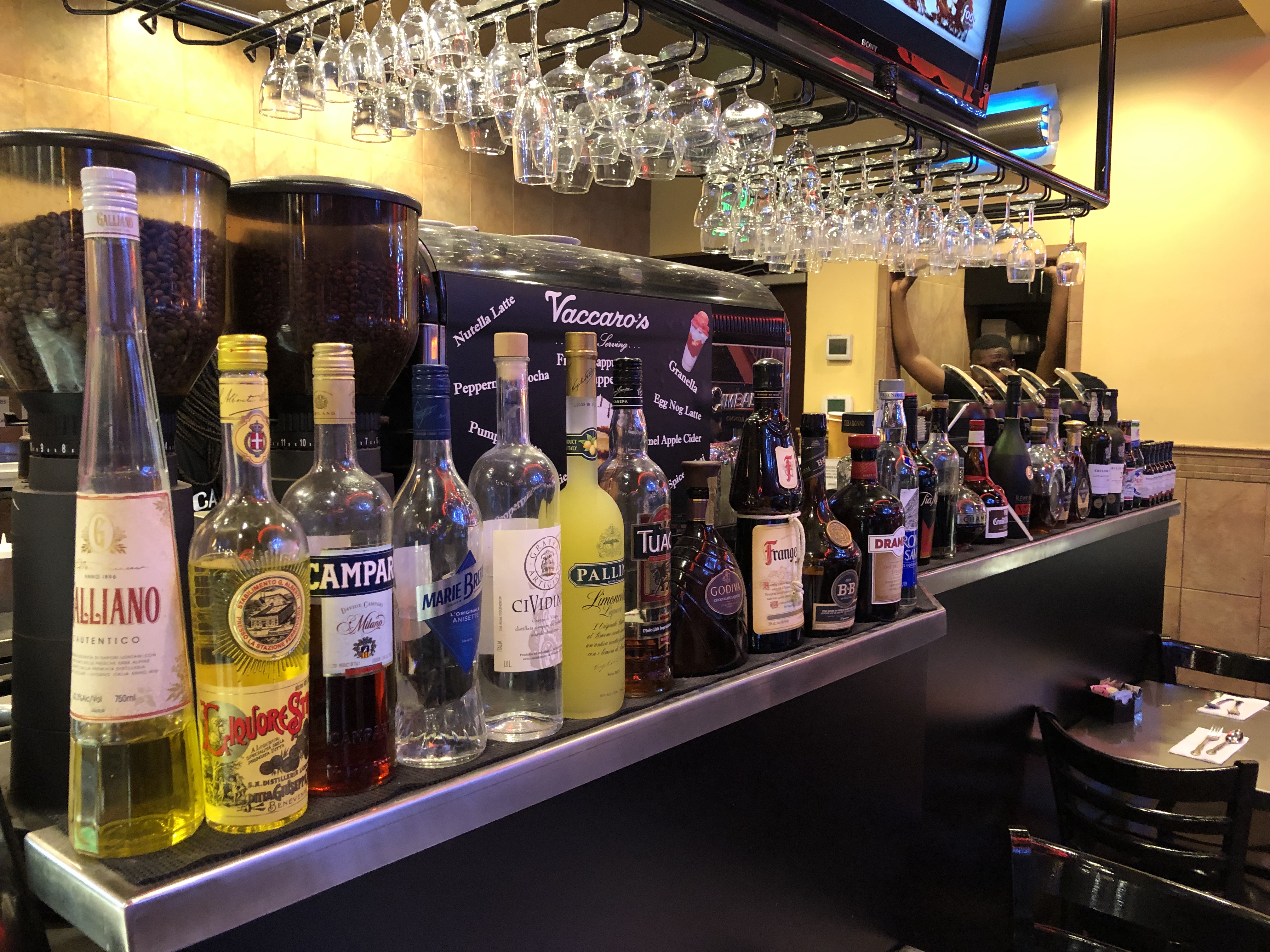
Before we left and my brave uncle paid the check, my aunt and I looked at the giant dessert cases packed to the brim with cookies and cakes. They also had beautiful gelato and a large selection of liquors and wines lined up in front of the espresso machines. My only regret of the night was not ordering the “Dominick the Donkey” dessert, named after my favorite Christmas song. The dessert was composed of Vaccaro’s warm chocolate cake with a scoop of Donkey Tracks Gelato, whipped cream, and a cherry on top. Maybe next time!
Thank you Aunt Mimi and Uncle Bob for this sweet treat.

 Caroline's Blog