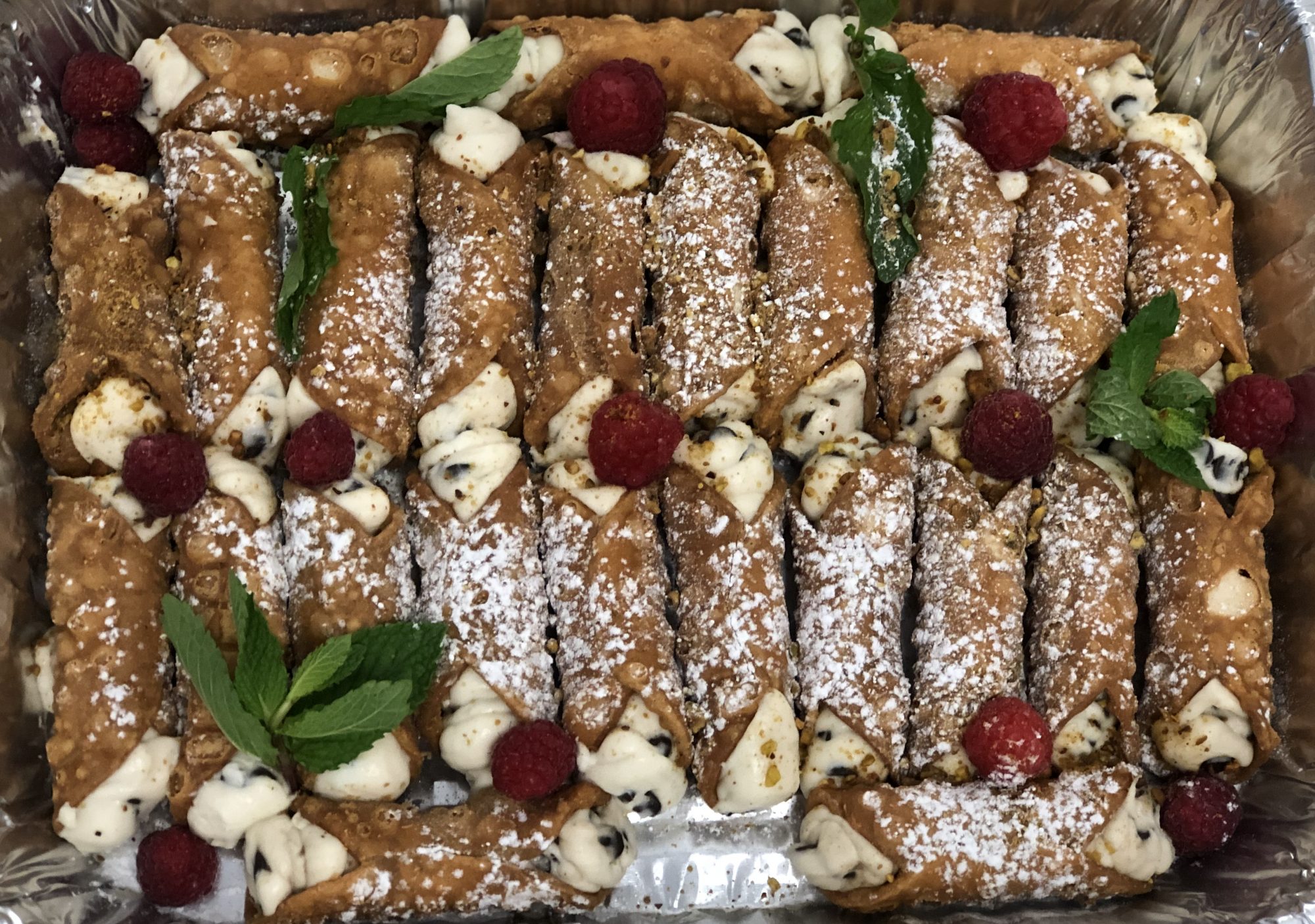
For my first independent travel excursion I decided to head to the coast of Tuscany, to a place called Viareggio where my Italian professoressa’s family lives during the summer. Viareggio also holds an incredible Tuscan Carnivale each February. My plan for these four days of travel was very loose, but I did know that I would be traveling alone for most of it, and I was nervous. At first I figured I would do excursions to Lucca, Pisa, and Firenze during the weekend, but plans change! After more train rides than I can count, I ended up visiting Lucca, Monterosso, and Pisa over the stretch of 3 days.
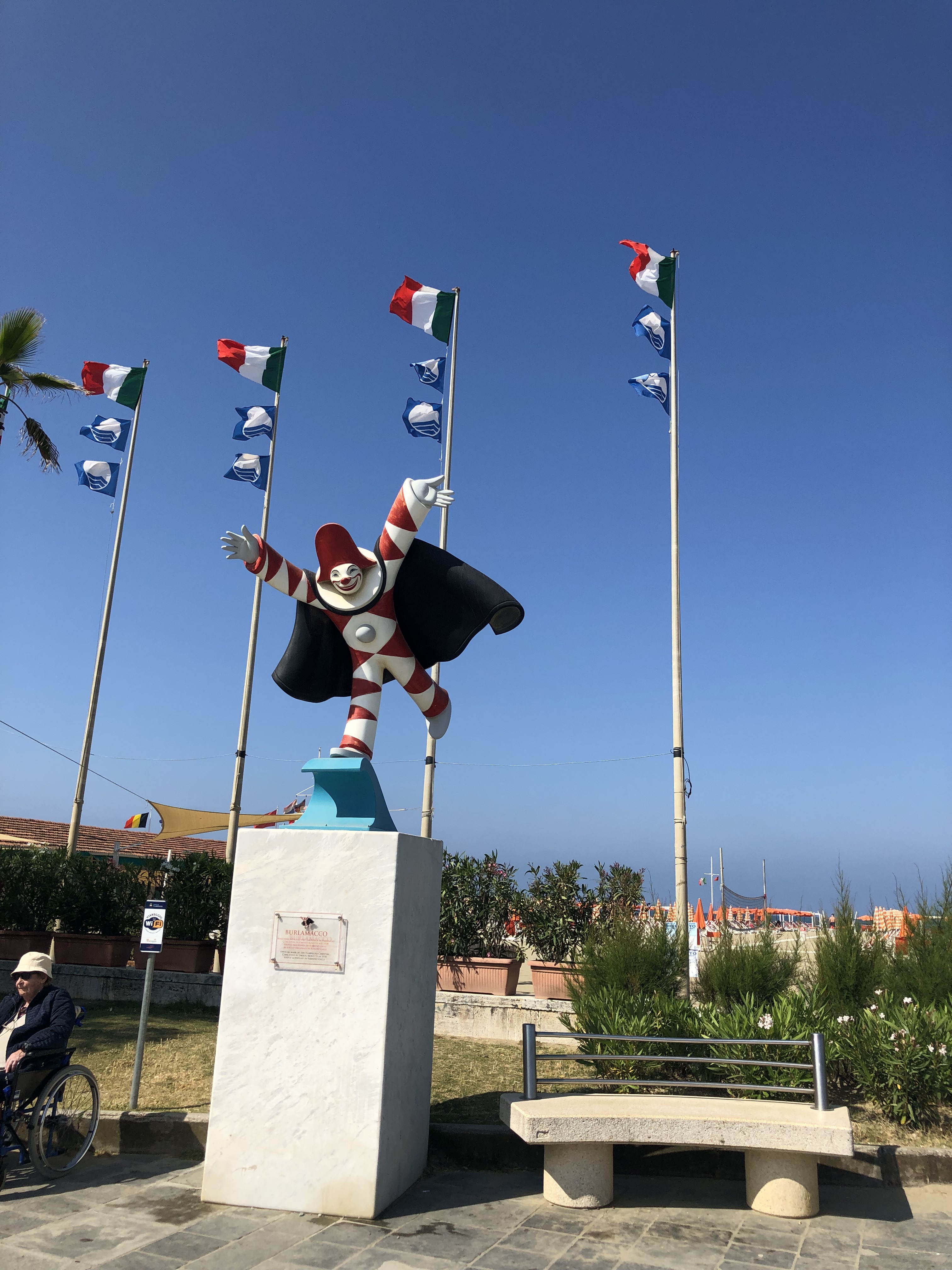
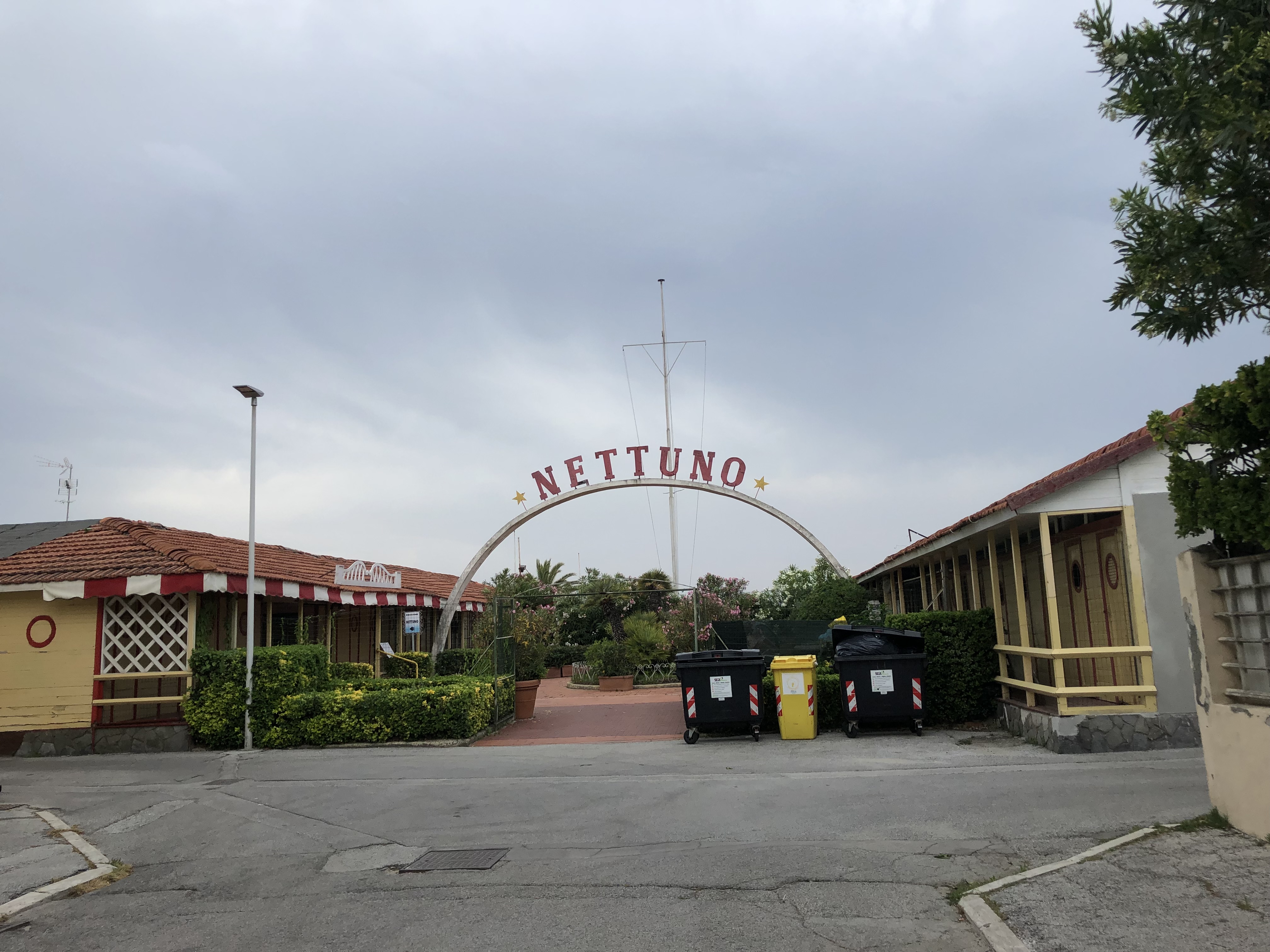
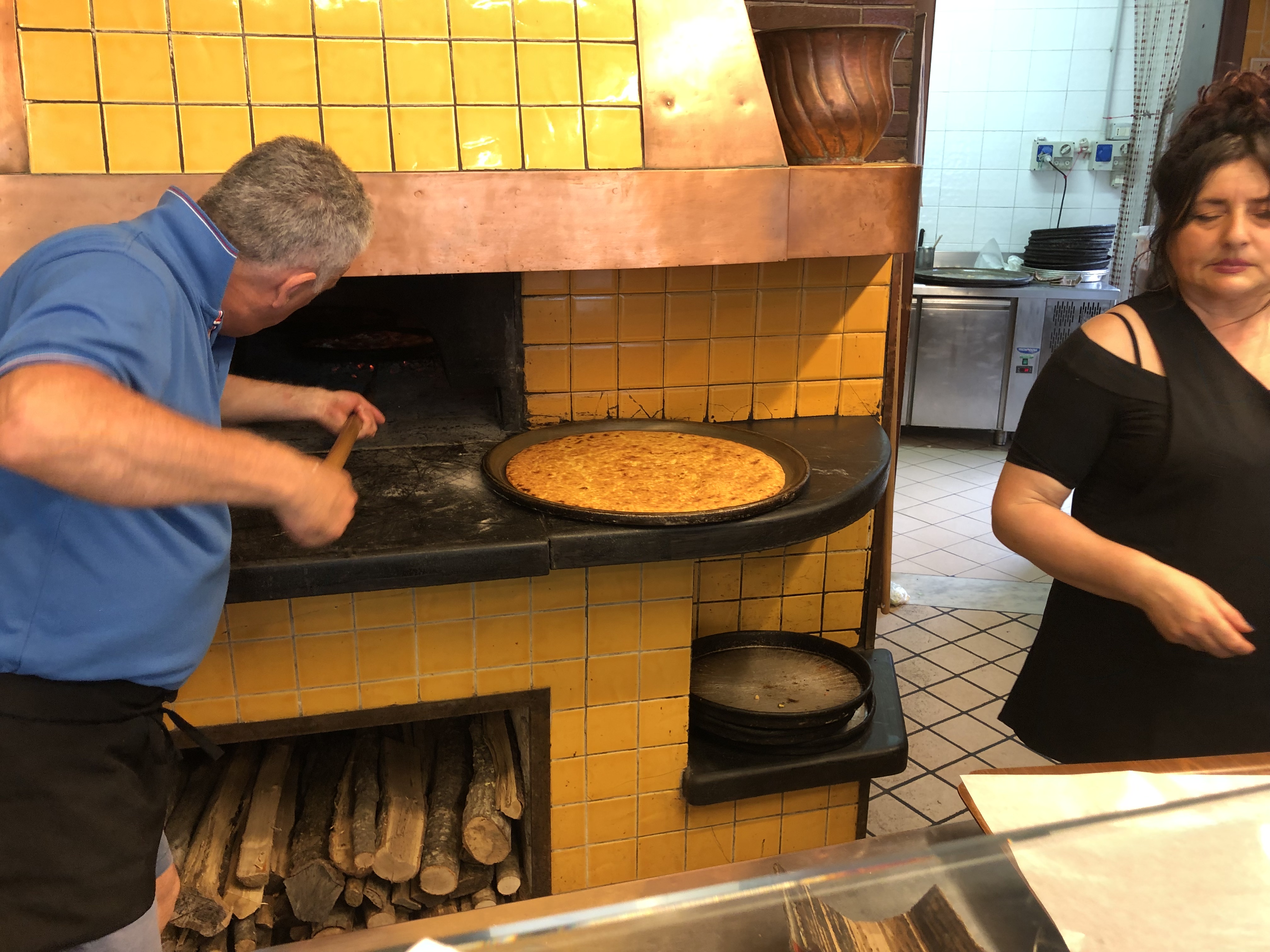
The first day of travel from Sansepolcro to Viareggio was stressful. I felt like I was running from binari to binari in the train stations, nearly missing the transfer trains during each change. I apologize to the travelers I nearly knocked over in Firenze Santa Maria Novella, but I had to do what I had to when getting from binari 13 to binari 1. When I arrived in Viareggio I was delighted by the sight of orange trees and succulents galore. There was jasmine growing on almost every fence, and it made the streets smell like marshmallows. I trekked on to my albergo, Hotel Paolina, where the son of the hotel owner, Paolo called me Caroline Haw of America. This first day of traveling was already exhausting, and I felt the loneliness of being a solo traveler. The Viareggians were not used to seeing an American in June, since their main tourists months are July, August, and February. I felt out of place, disconnected from those who call Viareggio and it’s passiegiatas home. When I saw Prof Pesoli biking towards me on the main beach stretch I felt so much comfort. I ran towards her in what seemed like slow motion, and greeted her in Italian style, a kiss on each cheek starting on the right. She gave me a tour of Viareggio and the line of bagno/baths that line the coast. We went into one of the older bagno, called “Neptuno”, which still had the old bath doors from the days of Mussolini. After, we traveled down to the port of Viareggio where their main industry is on display, yachts. There are yacht factories, and apparently the Versace family yacht is parked somewhere in the bunch of giant boats. We pretended we owned one, imagining what it would be like to live the rich life. The night finished with a delicious slice of pizza and farinata, a fresh baked chickpea pancake.
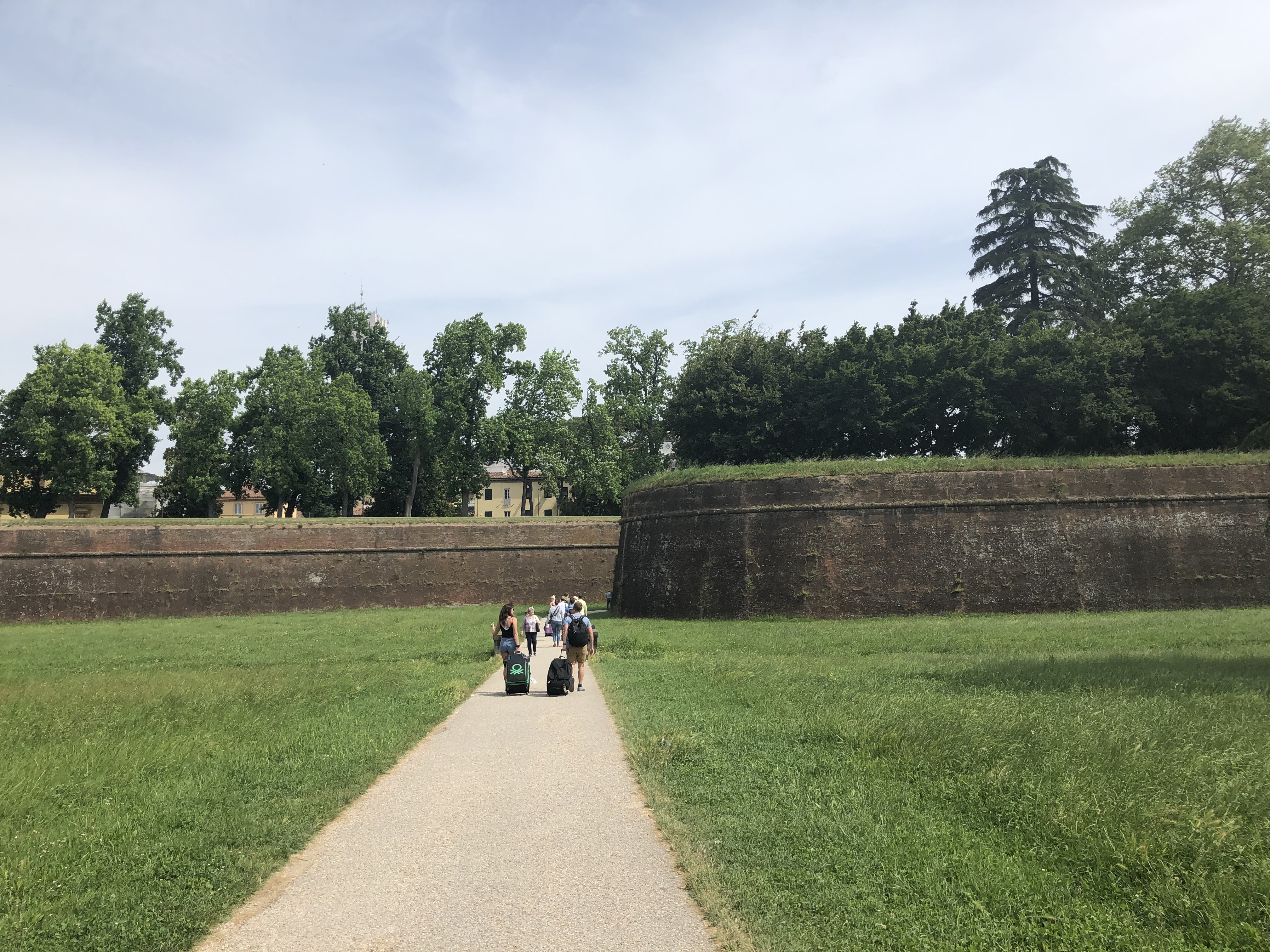
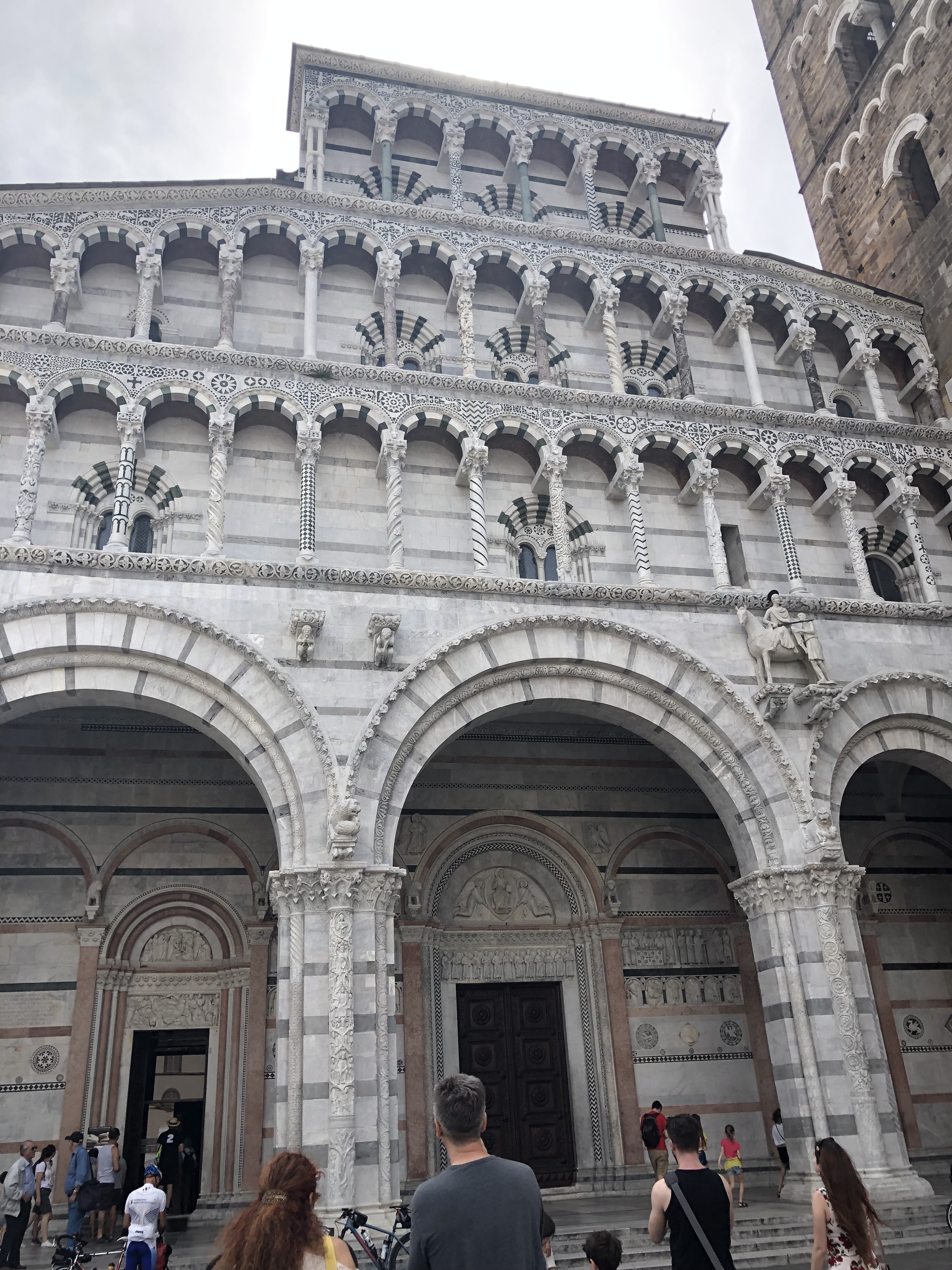
My adventures continued in Lucca on Saturday. I climbed the Guinigi Torre, biked the wall of Lucca, ate a delicious Panini, toured the Botanical garden, did some drawing, and explored the incredible Cathedral of San Martino. After a high strung day of exploring Lucca, I suddenly became tranquil and calm sitting in the pughs of San Martino, admiring the fresco over the alter, and I was mesmerized by the painting Madonna with the Child on the throne among four Saints by Ghirlandaio, which was located in the Sacristy. For cena I headed to the Pesoli’s summer apartment near the train station. I met Prof Pesoli’s madre and padre, and ate delicious rice, eggplant, and a parsley based sauce. Prof Pesoli helped translate for me and her parents when we didn’t understand everything, but I was proud that I could understand more than I thought I could.
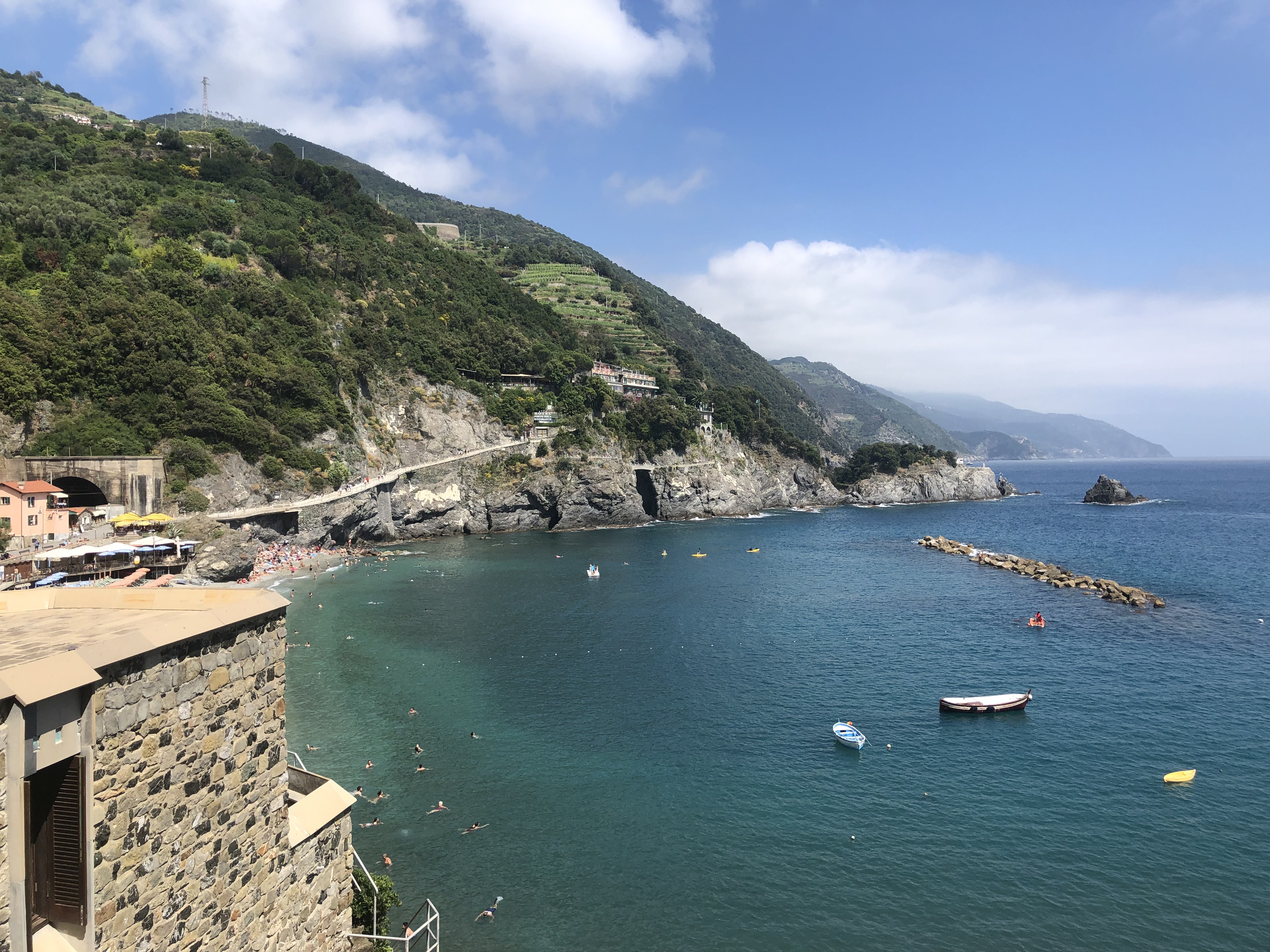
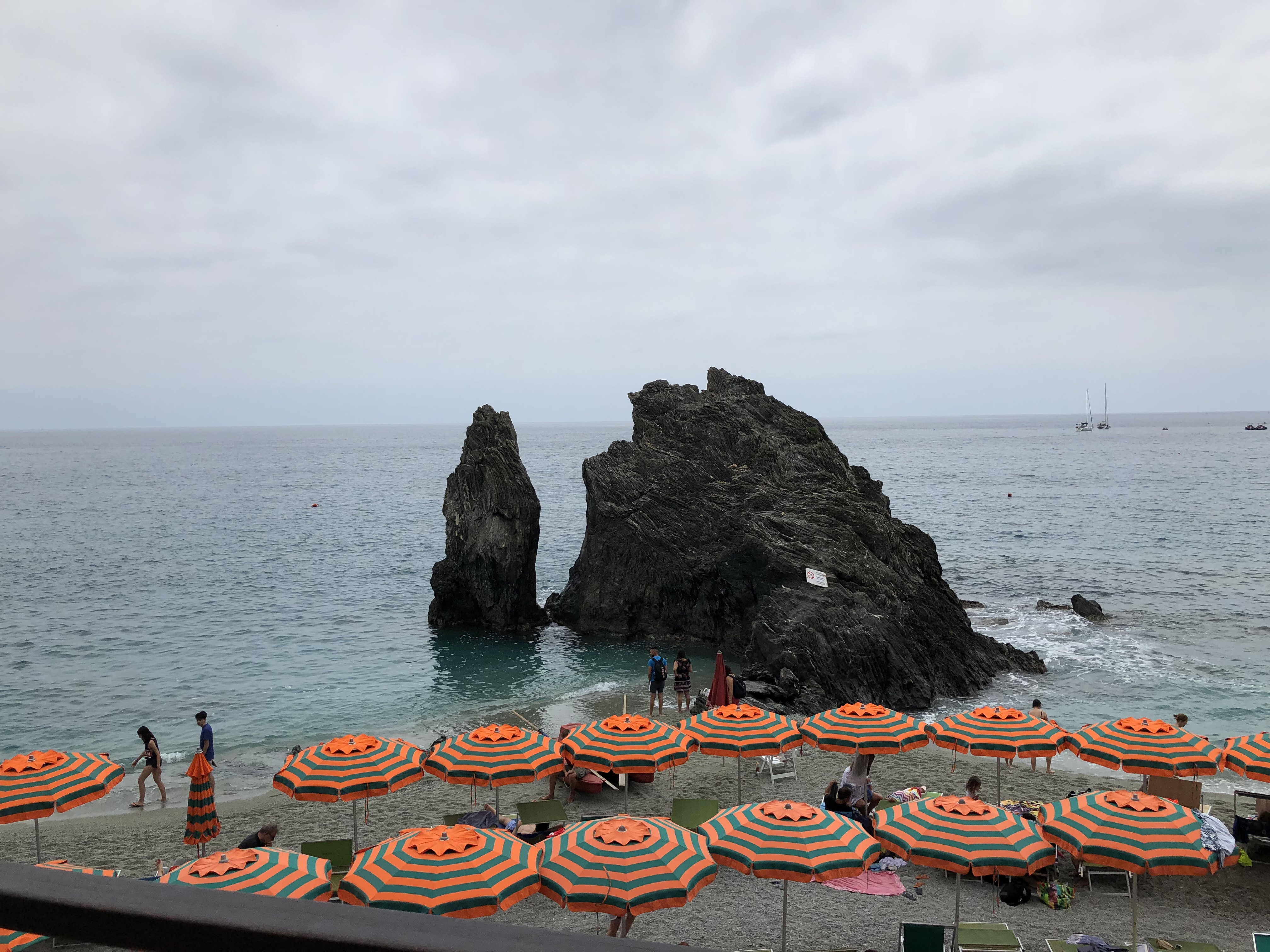
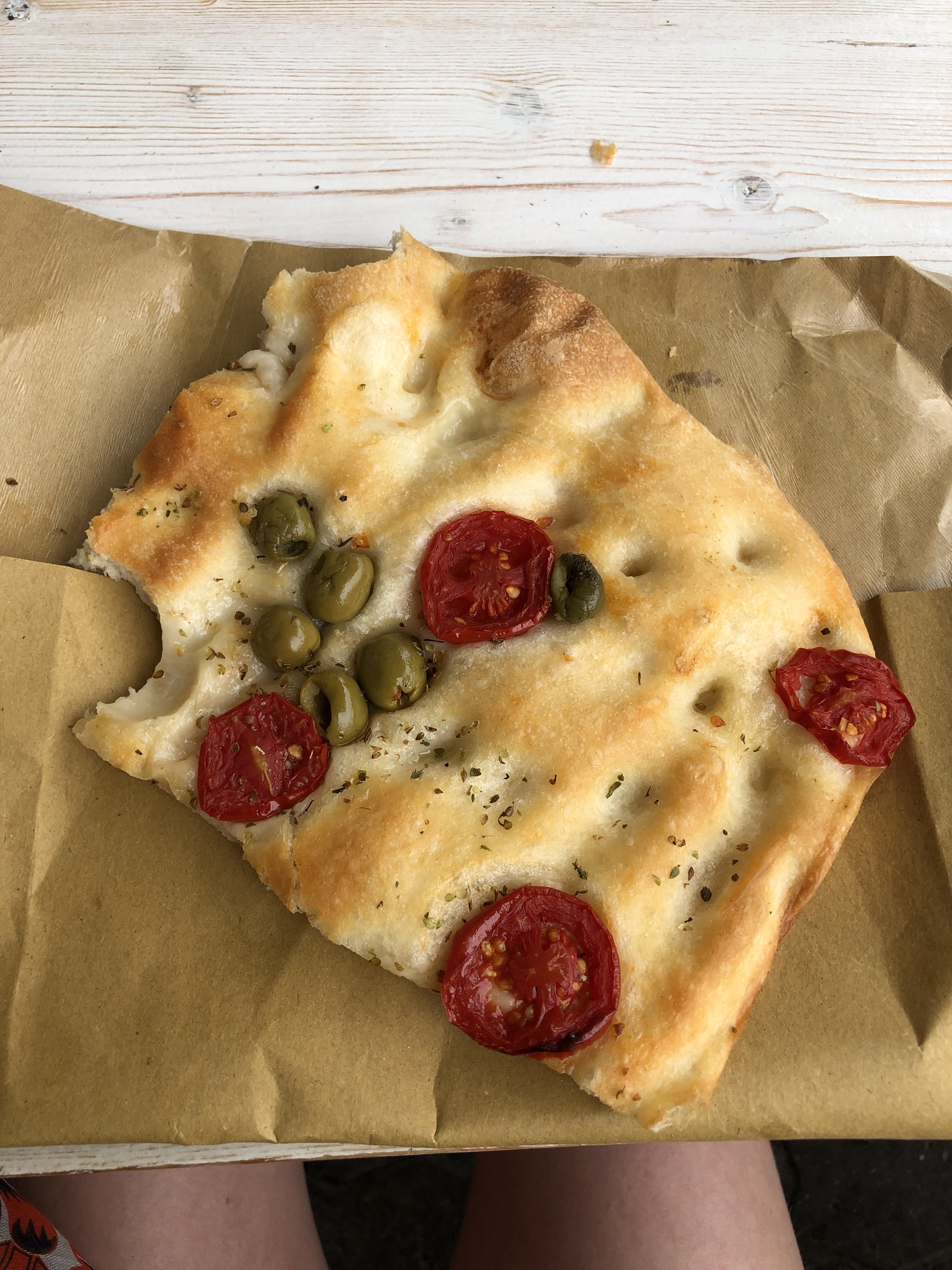
Mamma Pesoli insisted I go to Cinque Terre on Sunday, and that it was a great place to day trip before and after the peak tourist seasons. She said there wasn’t much historic art to see, but the nature was incredible, that is why it is a UNESCO protected site. I headed out on a train to Monterosso, the last of the five cities, without much of a plan. When I saw the ocean and the vast cliffs, a huge smile formed on my face. I was overwhelmed by the beauty. I was entering paradise. I decided to spend the day on the actual beach, laying on a towel and meditating to the sounds of the Italian language and the water washing through the pebbles. There was no way I was going to cliff jump (not after all of the concussions), but I did plunge into the freezing water and floated above all the pebbles on the sea floor below me. I took a break to grab an infamous Cinque Terre treat, focaccia with pomodorini and olives, making sure to go to a focaccia place with a long line, because that is how you know it is good. It was incredibly tasty and filling, and fueled me as I walked along the hiking path, which was built into the side of the cliffs. Since it was a tourist destination I did have to be cautious about my belongings, and dipping in the water while leaving my purse on the towel was not the safest idea, but nothing was stolen. I was also disappointed that there was country music playing and several Americanized beach cafes, and when I stood to enjoy my espresso, I got some questioning looks from other American tourists. We all have different travel priorities I guess, and I hope the woman at MokaCafe enjoyed her cold cappuccino… whatever that is. For cena after Cinque Terre I had pizza at Primo o Poi, meaning now or later, with Prof Pesoli’s sister Simona, her nephews, and a group of Italian high schoolers who will be traveling to New York in July. Prof Pesoli and I were exiled to the teen table, and sat by three young men who hadn’t met each other before tonight. One of them, Duccio, could speak english, and he explained to me that he is related to the artist Duccio da Boninsegna, and I could see his work at the Uffizi Gallery. I told the boys about America and they taught me about Liceo (high school) in Italy, and what they enjoy doing. Prof Pesoli and I had the young men serve us water, and get us pizza before all of the other teenage boys ate it all. We joked about politics, and the guys followed my wordpress and my youtube. I learned that in Italy before you turn 18 and are learning to drive, there is a type of French car called a Ligier that they can drive which only goes up to 30mph. To finish our meal, we had glasses of coca cola, which Prof Pesoli and I had never tasted without ice before. We both started laughing, and felt like the drink burned like whiskey on our throats. The teens headed out in the Ligiers after dinner to their homes in Lucca and Viareggio, arriving primo o poi I guess since they couldn’t go that fast, and Simona drove us back to Viareggio, attempting to make my first trip in an Italian car as safe as possible.
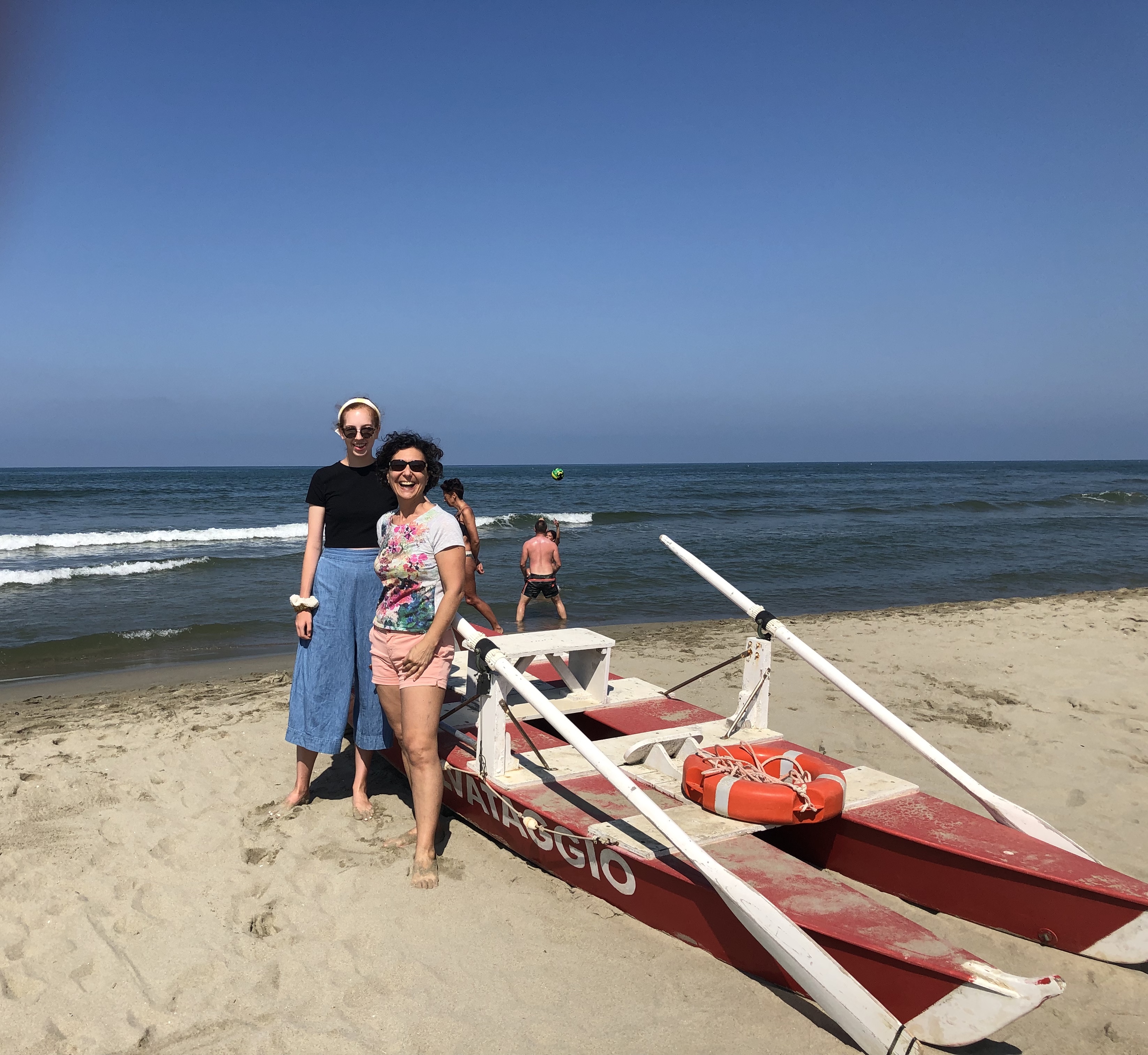
On Monday I spent the morning on the beach with Prof Pesoli, her son Sean, and her mom before embarking to Pisa. We met the Italian lifeguards, called salvataggio, and took photos with them! I learned that the Italian beaches are a lot safer than those in North Carolina. I was sad to leave Viareggio, but wanted to get on to Pisa so I could spend some time there before heading home to Sansepolcro.
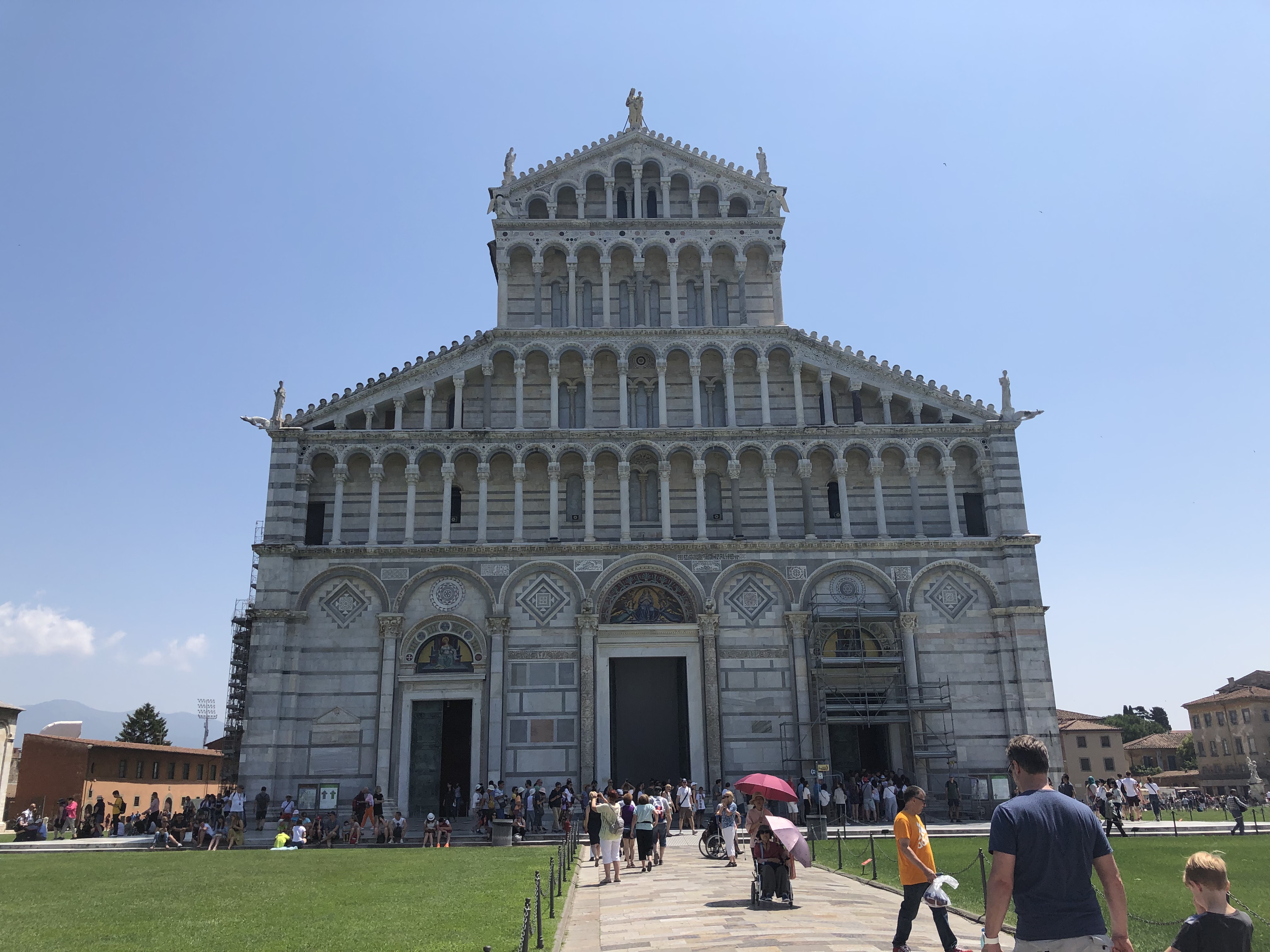
I wanted to research at least one of the historical sights I was going to see this weekend to be prepared and maybe show off my knowledge to passersby. I heard that the Duomo and Cattedrale of Pisa were full of treasures, so I chose to research both what was inside and outside. The cathedral itself began being built in 1063 by the architect Buschetto, and the funding for the cathedral came from the victory of the Pisan fleet in Palermo, which is the capital of Sicily and was under Muslim rule (Steves). The church was dedicated to Santa Maria Assunta, and was originally filled with medieval work, but a lot of work was destroyed in a fire in 1595. According to Rick Steves “Italy 2017”, the facade of the cathedral was not added to the church until 1150 by the architect Rainaldo (551). The outside facade of the cattedrale is in the Pisan Romanesque style and made of grey marble, white stone, and discs of coloured marble. There are also large bronze doors on the facade that were created in the workshop of Giambologna. Inside the cattedrale there is black and white marble and a vast gilded ceiling that travels down to the “320 ft nave” (Steves 551). Inside you can find Galileo’s lamp hanging in the nave, the Apse Mosaic which involved Cimabue’s hand hangs is behind the altar, and the tombs of St. Ranieri and the Holy Roman Emperor Henry VII (Steves 552). The piece of art I am most interested in is the pulpit by Giovanni Pisano, made of the infamous Carrara marble. The pulpit is extremely ornate, and according to italianways was “one of the most iconographically dense works of art in the history of art in Italy”. The pulpit was sculpted by Pisano between 1301 and 1310, and has over 400 figures sculpted into it. Sadly I barely saw the inside of the Cathedral, but I at least saw the facade.
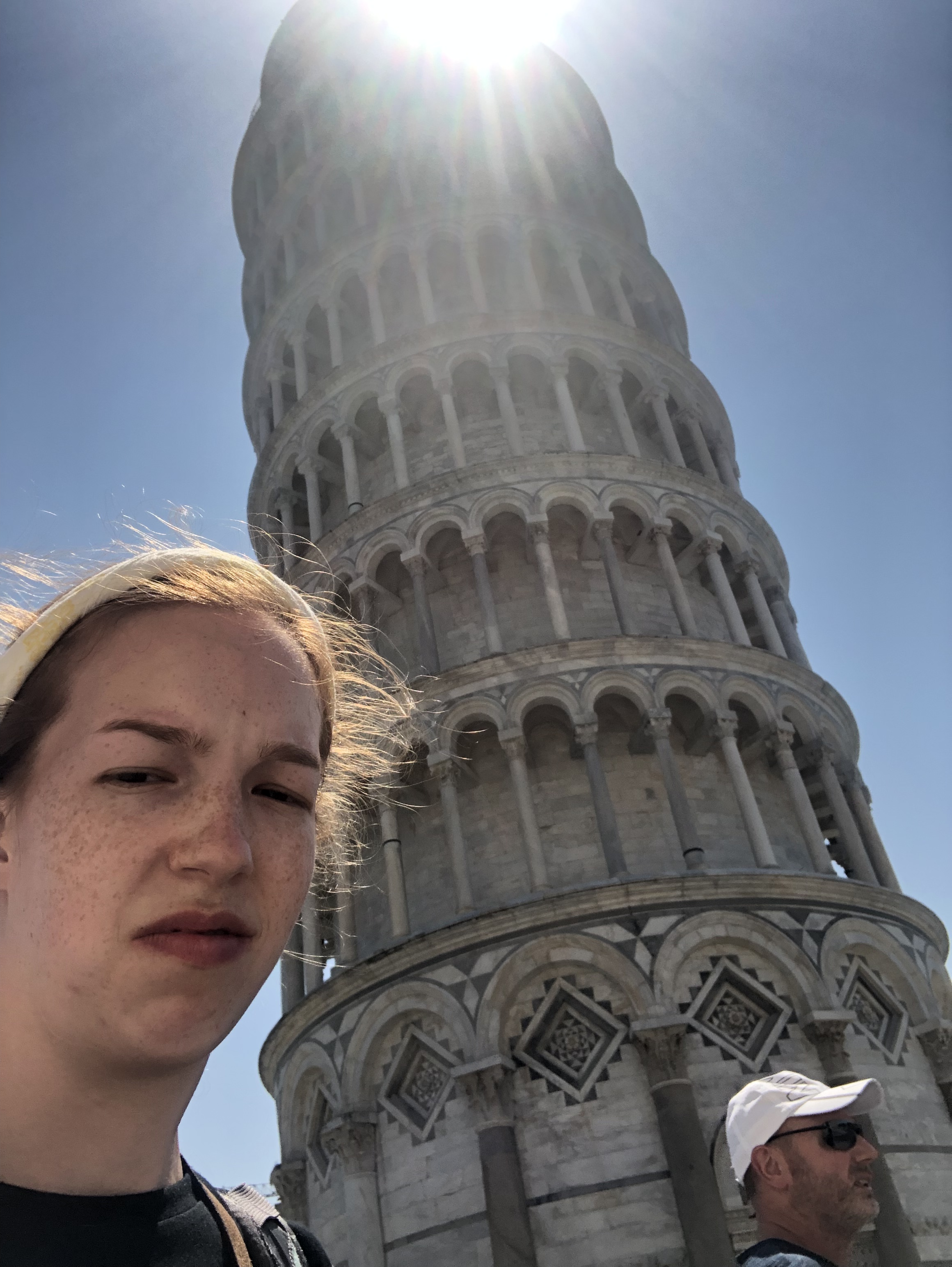
The most lessons learned were in Pisa. On Monday I headed out from Viareggio to Pisa Rossore station, the station in Pisa that is closest to the Piazza dei Miracoli (thank you to Duccia who gave me helpful tip). I had all of my belongings with me, my stuffed backpack and shoulder bags, thinking that Pisa was an okay place to travel with my luggage. Walking up to the Piazza dei Miracoli was like approaching a modern day battle. The vendors had their selfie sticks in the air, like lances, and the guards were walking about with literal rifles. All I had brought to battle was my bags and a 5lb Bialetti Moka Press, which weighed down the left side of my body. The tower wasn’t the only thing leaning. Also there was Monday mass at the cathedral, so I only saw the entrance to the cathedral, and could only sprint to see the altar and the Pisano pulpit.
I am proud of myself for going about this excursion almost completely alone, and immersing myself in experiences even when I was scared. Even if I didn’t see as much art as I had wanted to, I think that I got to have a lot of beneficial cultural experiences that have taught me even more about Italy.
 Caroline's Blog