Pasta Amatriciana – My Sauce “Bucket List”

As I plan out my travels to Italy this summer, and explore Italian cuisine, I have discovered that my love for pasta has as much to do with the noodle as it does with the sauce. For so long I overlooked the importance of a delicious sauce. I am guilty of taking time to choose a noodle, and then carelessly dumping Trader Joe’s pasta sauce on top. I am no longer that naive girl, I am a women who understands the importance of sauce.

Many sauces that we know of in American and Italian-American cuisine are not served in Italy. Alfredo sauce is not typically found in Italy, and is to be enjoyed with unlimited stale breadsticks, and a nutrientless, bottomless salad. It is important to me to discover the authentic Italian sauces, and which region they came from in Italy. This way I can craft my sauce bucket list when I travel to Italy, and maybe compare the sauces to those in the US (future blog idea?).

The first sauce I have tried for my “bucket list” is Amatriciana. Amatriciana is a tomato sauce with pork and pecorino cheese on top, originating from the town of Amatrice, which was sadly recently hit by an earthquake. After spending some weeks learning about Italian cuisine, I know that tomatoes were brought over to Italy after the discovery of the new world. Which begs the question, did this dish exist without tomatoes before they were brought to Europe, or was it invented after tomatoes were brought over?
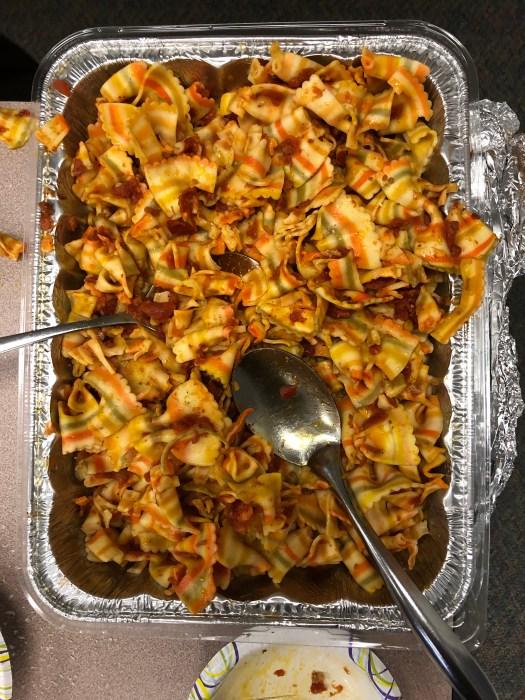
Pasta Amatriciana that a Roman chef brought for my class

Before pasta Amatriciana had tomatoes, it was called la gricia (which is still served today in central Italy). La gricia is made with olive oil, black pepper, pecorino cheese, and guanciale. Guanciale is cured pork cheek and pecorino cheese is a salty, Roman cheese made from sheep’s milk that is grated on top of the pasta. Shepards enjoyed the dish and it is believed that tomatoes were added to the dish in Amatrice once they were discovered and brought back from the new world. That is how it got the name pasta all’amatriciana.
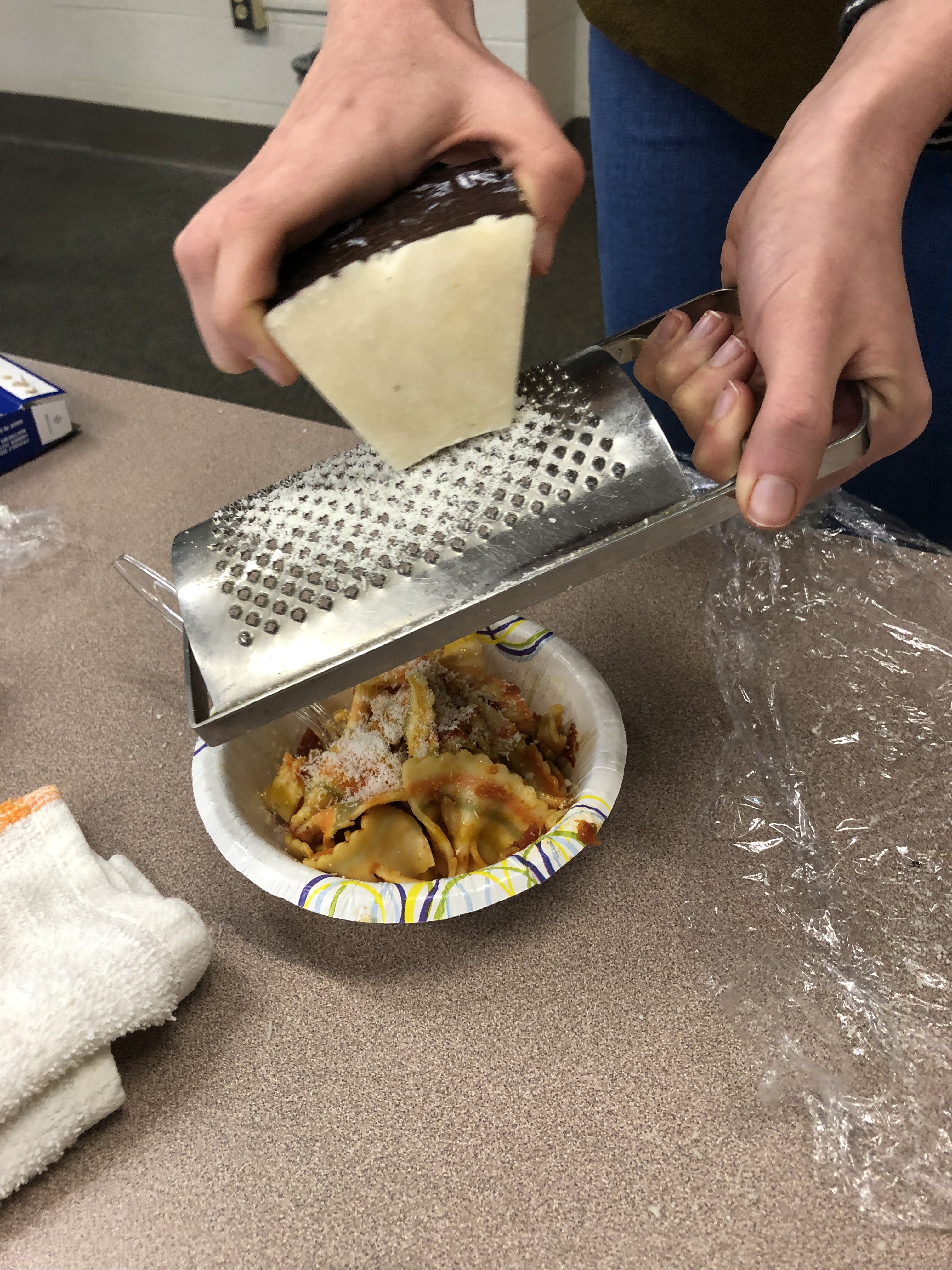
Grating pecorino cheese to go on top of my pasta! This is an old school grater!

Though this sauce does seem simple compared to others, it is very important to use the proper ingredients. A chef from Rome prepared pasta with Amatriciana sauce for my class last week, and it was delicious! She made the sauce with olive oil, fresh tomatoes, pork, and most importantly, red pepper flakes. The sauce did have a little kick! Then we got to grate a piece of pecorino cheese to go on top of the pasta. The pecorino cheese tasted a lot like parmesan cheese, but was a little bit finer and had a tangy aftertaste since it was made from sheep’s milk.
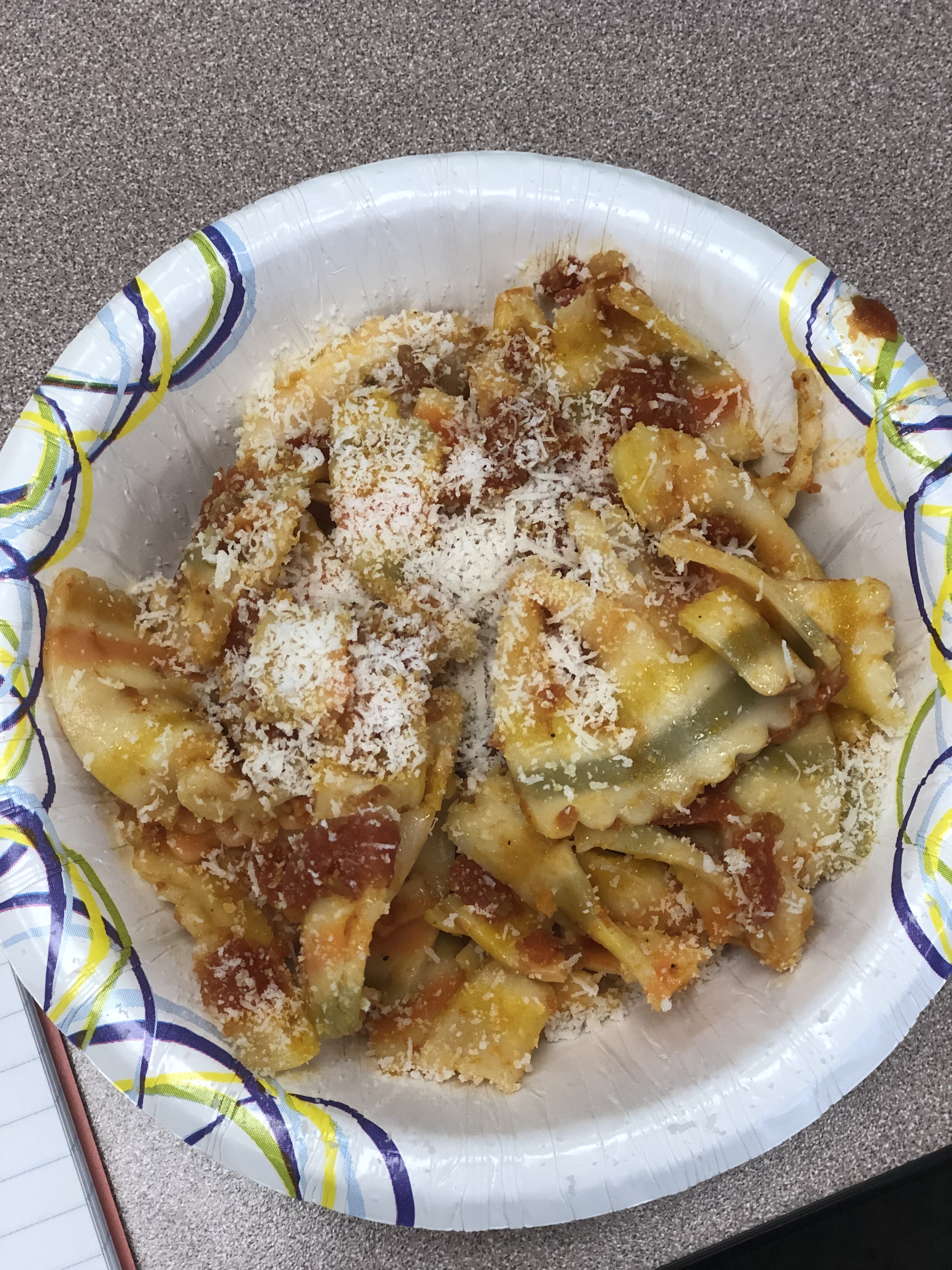
My final bowl of pasta! Yum!

I was amazed by the flavor that such a simple sauce had and I think it is awesome that this sauce brings so much pride to the people of Amatrice and Rome!
Feeling Salty? The History of Salt and Ornate Salt Storage in Italy

In our daily lives it is easy to reach for a salt shaker, or maybe grind some sea salt if you are feeling fancy. If you live down south like I do, you might have rice in your salt shaker to keep your salt from clumping due to humidity. The easy access to salt and the way it is displayed has not always been like it is today. In the past salt had a different worth, and there were special, beautiful devices for storing salt.

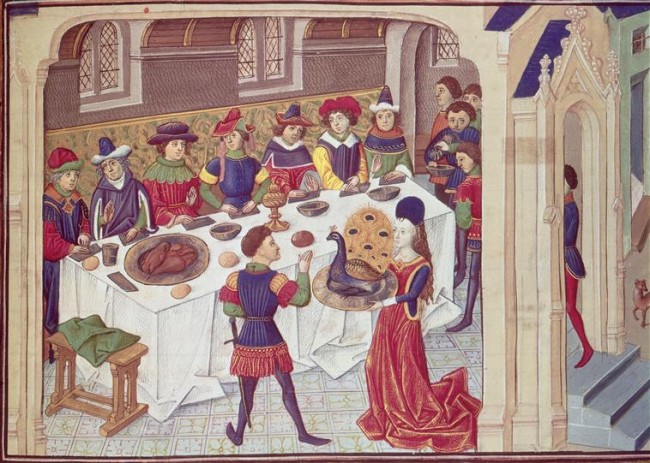
It’s important to trace back salt’s history in Italy. During the period of Phoenician rule, beginning in the ninth century BCE, the Phoenicians controlled many southern, coastal Italian countries. Since agriculture was difficult in these places, salt production was very popular, especially in Sicily and Sardinia. Salt could be used to preserve foods and to elevate the worth of a dish. After all salt in Latin is sale, which is what the word salary was derived from. Saltpans and salt evaporation techniques are still in practice today in these areas of Italy and the mediterranean. Moving into the Renaissance and early modern time periods in Europe, salt became taxed. Salt was a symbol of wealth, and was a rare commodity.

A Medieval painting featuring a gold salt cellar in the middle of the table

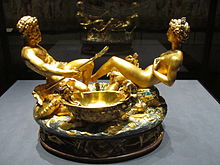
Since salt was in large blocks or quadrants up until the 19th century, salt was stored in salt cellars or salt trenchers. Salt cellars were shared between the whole table while salt trenchers were in multiples for all of the guests. These salt storage devices were delicately grand, paying close attention to detail. My favorite salt cellar was sculpted by the Italian artist Benvenuto Cellini. His Salt Cellar of King Francis I of France, was made with gold and enamel and features Neptune (the god of the seas) and the Goddess of Earth intertwined in the middle to represent earth meeting the sea. Salt is placed in the boat on one side and pepper can be stored in the archway on the other side. Around the bottom of the saltcellar, Cellini portrays the different eating schedules and seasons through symbolism. His salt cellar is very ornamental, which began to go out of style when banquets were traded in for more intimate meals. Many of the more modern salt cellars commonly had the salt stored in a boat still, but were not at the Cellini level of ornate. Eventually salt cellars became common in homes, usually made out of glass.

Cellini’s Salt Cellar of King Francis I of France
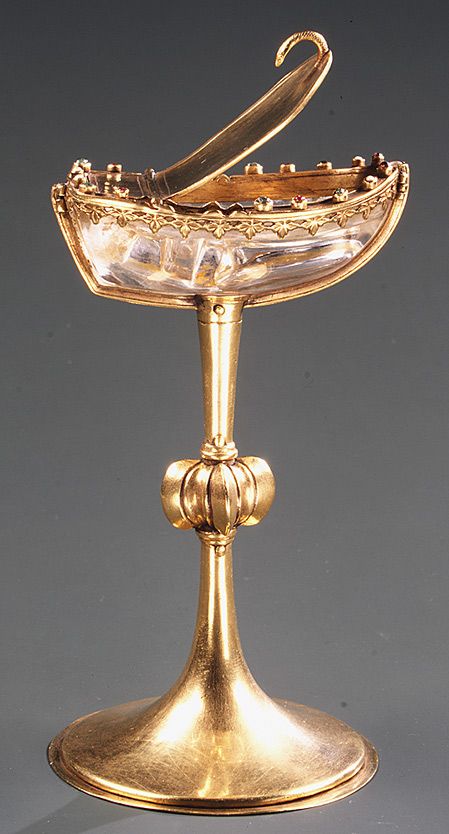
A golden salt cellar from the 13th Century in France, salt is stored in the boat
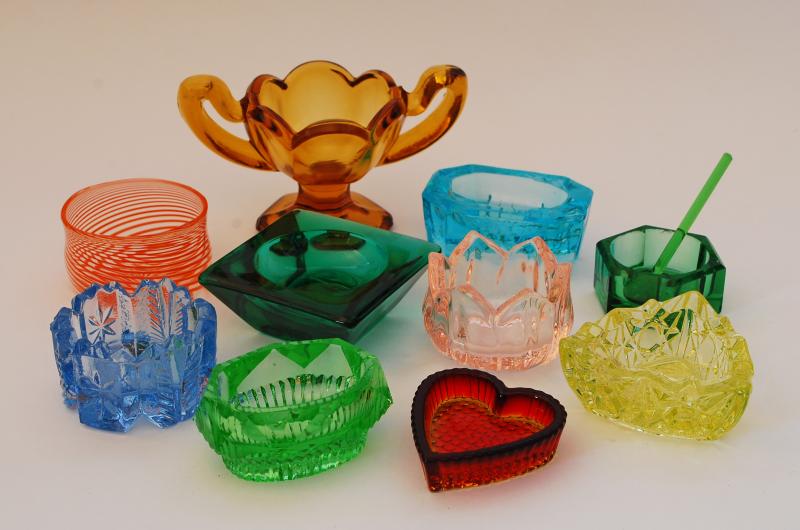
Glass salt cellars, which are considered vintage but can be found in antique shops

In the 19th century salt became more refined and could be manufactured not to clump as much, leading to the invention of the salt shaker that we see today! Hopefully you learned something new about the history of how salt is stored. I know I did, and now I am on the hunt for a vintage salt cellar. You can buy salt cellars today at kitchen stores, but they are made out of acacia wood and don’t have the ornate flair of the salt cellars from the past.

The History of Coffee, and a Ceremony

One of my favorite beverages that is important in Italy is coffee or il caffe. You can go to the bar and order an espresso, drink a frothy cappuccino in the morning, and savor the bold flavor and the boost of energy. In my Italian Cuisine class I even learned how to make espresso using Lavazza espresso and a Bialetti Moka pot. Something struck my mind while enjoying a little cup of espresso: how did coffee come to Italy and what is coffee’s history?

Coffee’s official birthplace is Ethiopia, discovered in the province  of Kaffa. Coffee beans and trees were growing everywhere in Kaffa, and it is believed that monks were chewing the coffee beans/berries for energy long before it’s brewing capabilities were discovered. Around 850 AD a shepard named Kaldi discovered his goats chewing on the little red coffee berries, and then the goats began to frolic and dance around, bleating with energy. Giving into peer pressure, Kaldi tried some of the little red coffee berries and found himself stimulated and energetic. He rushed to tell the monks of his discovery, but they claimed the berries were the work of the devil and threw them into the fireplace of their monastery. As the beans burned, the heavenly scent of them roasting filled the air, and the monks ordered they be extinguished and put into a vat of hot water to preserve them. Then the monks drank the water and used it as energy to get through their devotions. Thanks to Kaldi we have brewed coffee today.

Circling back to Italy, coffee would have gotten to Venice from Ethiopia in the 16th century and espresso was invented in 1884. Coffee hasn’t been in Italy for as long as I had assumed it was. Coffee was able to become such a cultural importance in Italy in such a short time, and I wanted to honor coffee by celebrating its roots. My family had told me about an amazing Ethiopian restaurant named Awaze, which is near our home in Cary. My father had mentioned that you can get coffee there in a cool pot and little cups to pour it into, he said it was like a party. I had to check it out!

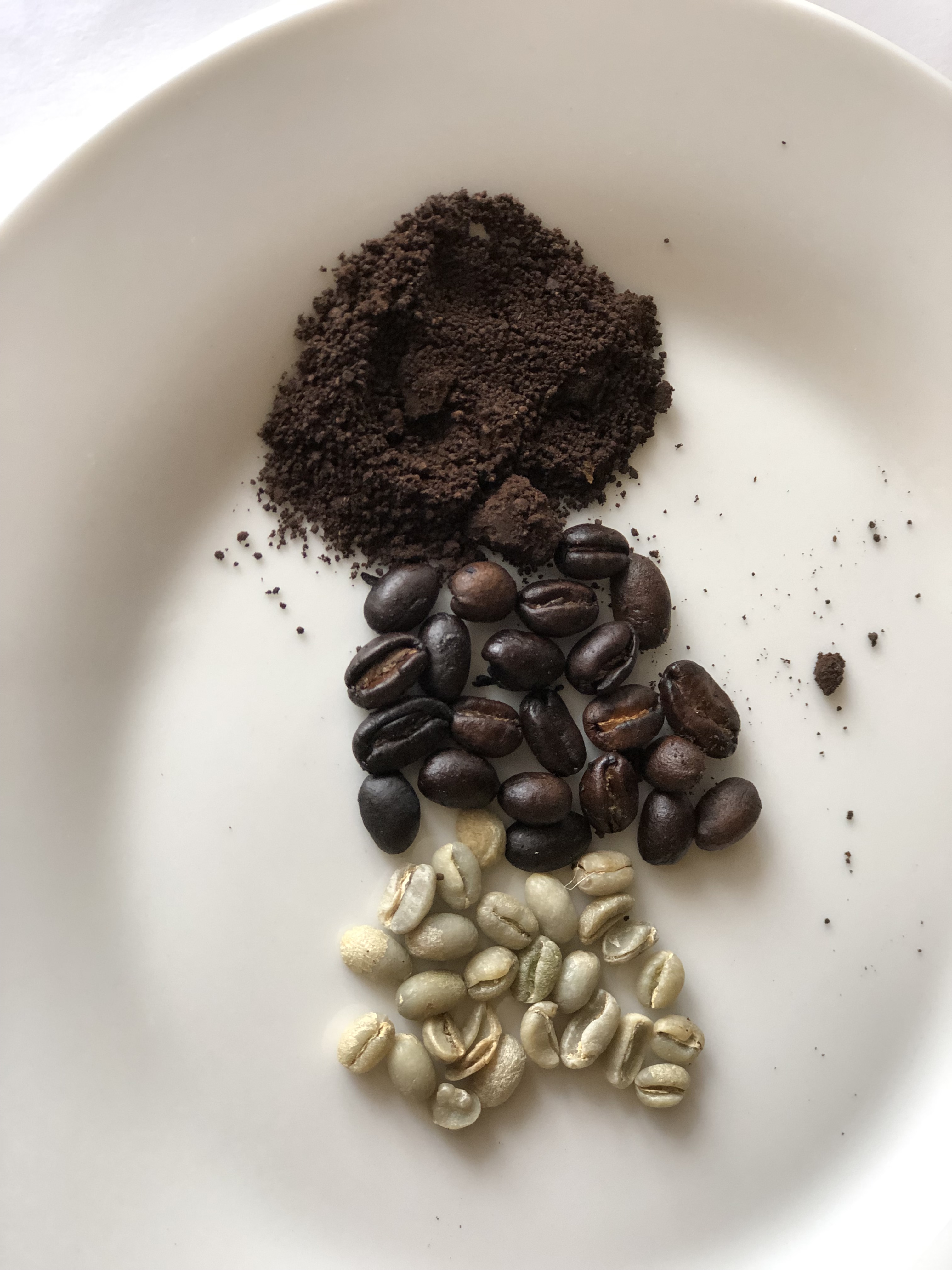
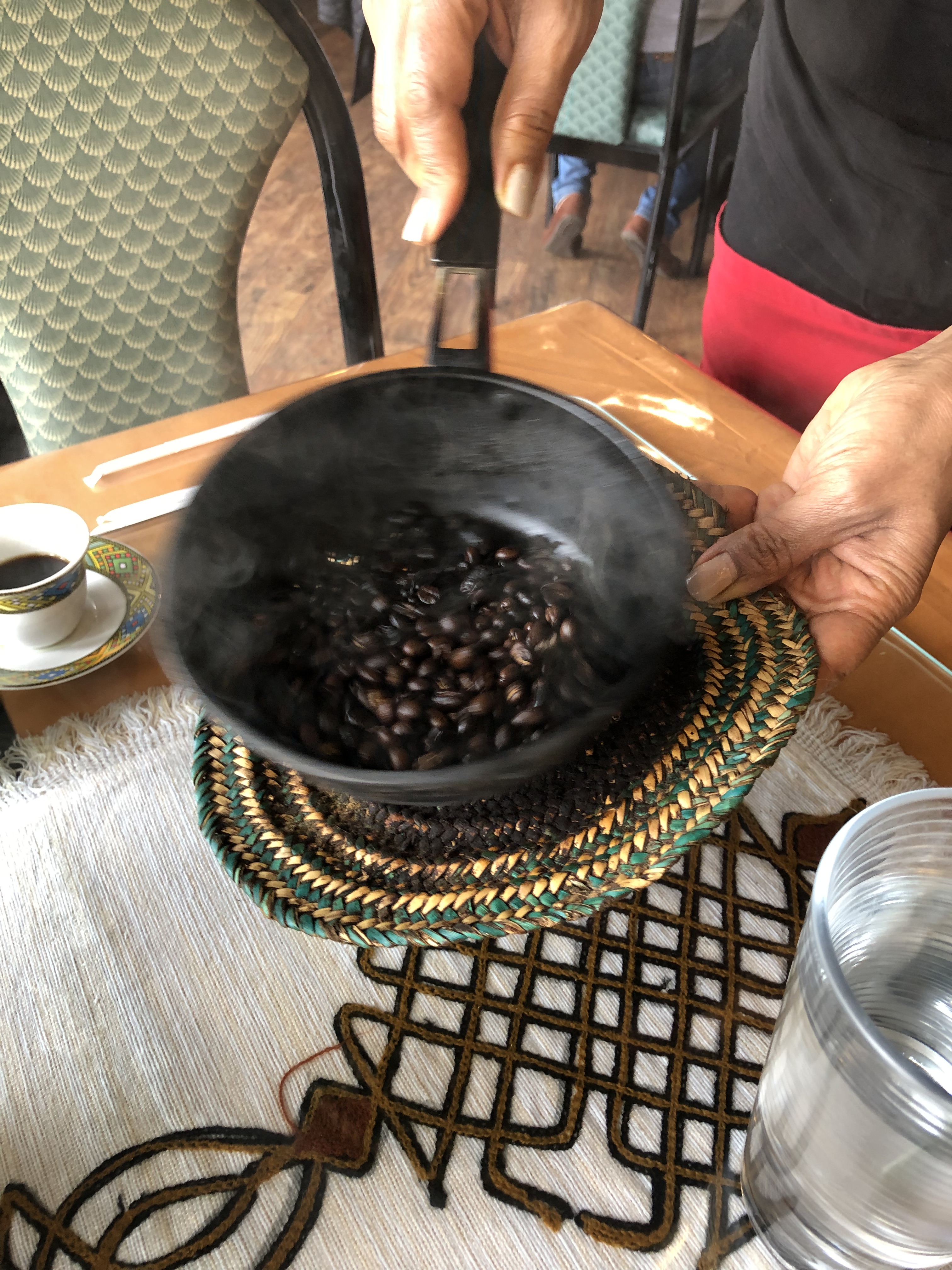
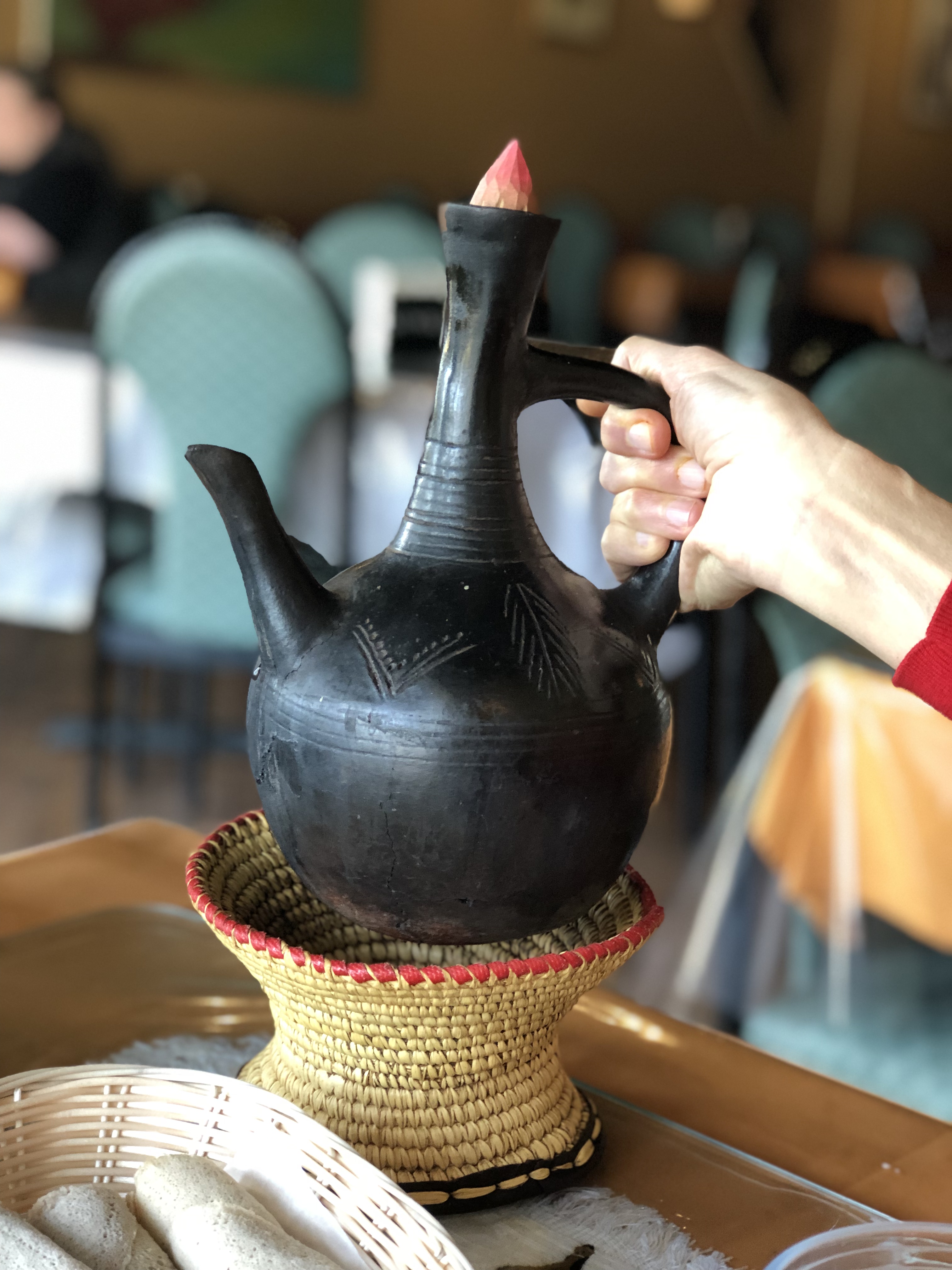
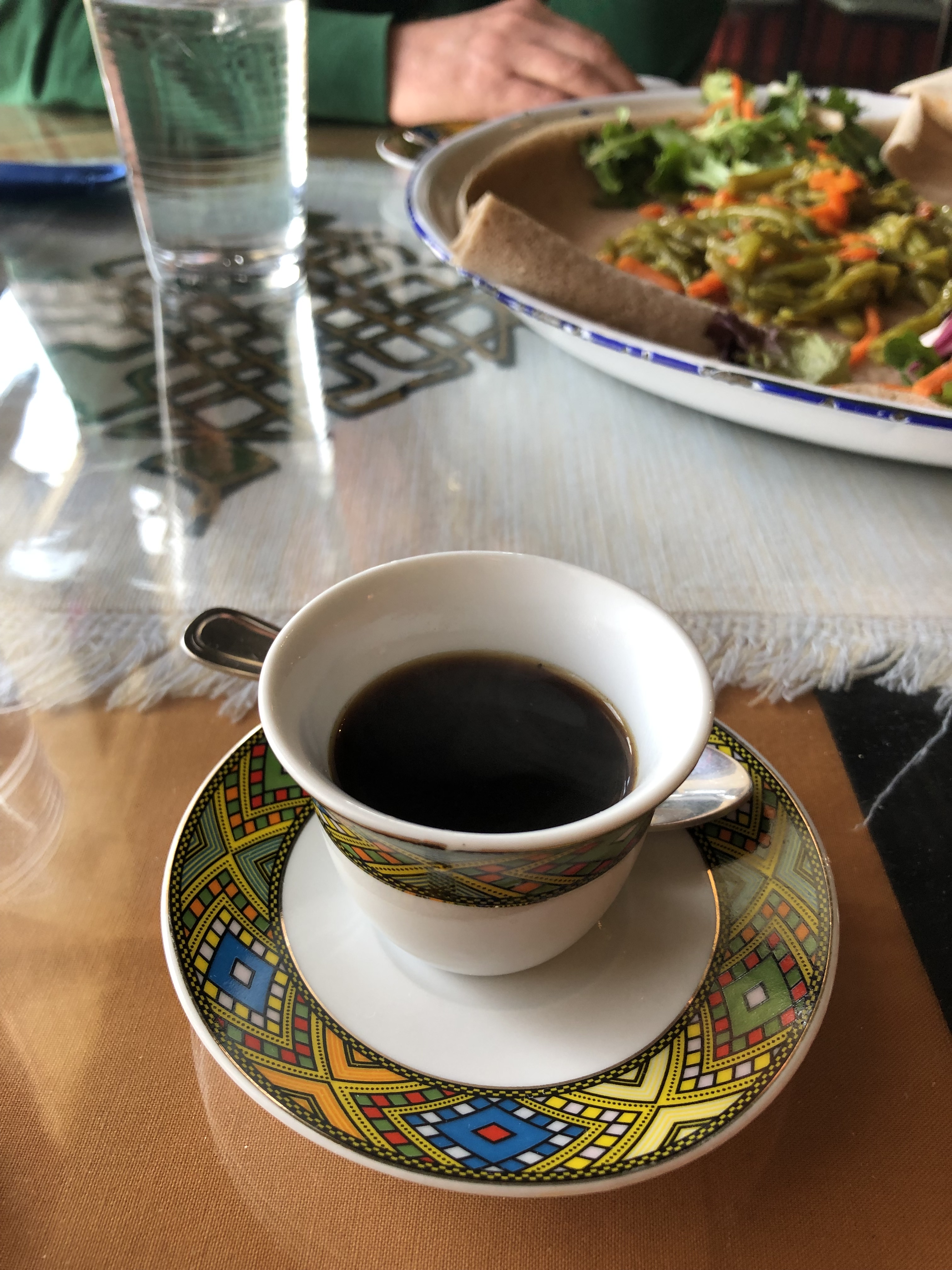
On the menu at Awaze they give the backstory of what is called a coffee ceremony. When you order coffee in Ethiopia, there is a specific, artful process that goes into making it. The menu warned that this coffee ceremony is never rushed, and it takes time to perform it properly, and that time and patience is what makes the coffee so good. The coffee ceremony is a rebellion against the speed and laziness of the western lifestyle, which is symbolized by our keurig instant coffee makers. During the coffee ceremony our waitress brought us a plate that showed the three stages the beans go through. When the beans are first washed they are a green color, they turn dark brown when they are roasted, and then they are finally ground. The beans are roasted over an open flame, and the woman performing the coffee ceremony we ordered brought out the roasting beans so we could smell them. They sizzled and cracked in the pan, beginning to release their natural oils. She seemed so happy to share this scent with us, her smile was contagious as she presented each of us the roasting beans. The smell was like no coffee I had ever smelled before, it was rich and nutty smelling. After the excitement of the roasting beans, we were brought out a beautiful pot of coffee and little coffee cups to pour it into. There was an option to put sugar and milk into the coffee, but it didn’t need it. When I took my first sip of the coffee I knew it was one of the best things I had ever tasted. This coffee was so smooth, there was nothing bitter about it. For a moment I thought I was drinking liquid butter. The natural oils in the coffee alongside the subtle nutty flavor was magnificent, and we drank every last drop of the coffee.

The three stages of the coffee beans

It was an exciting experience to learn about the history of coffee, and to enjoy coffee the way that it is served in it’s birthplace, Ethiopia. I think the Italians would have made Kaldi and the monks proud by inventing espresso and honoring the delicious and energizing powers of coffee beans. I’m not sure if Kaldi would be too impressed by what the Americans have done to coffee. It was nice to celebrate coffee, and I feel grateful to have tasted a cup of coffee that I think came straight from heaven.

The beans roasting, in mid-action! I wish you could smell through your screen!
The cups and plate are beautiful, this was the best coffee I have ever had!

A Meal to Celebrate

I’ve heard many positive reviews about Mamma Mia Italian Bistro in Apex, NC, and I knew I wanted to give it a try. My family wanted to go out and I decided to bring my best friend to celebrate her birthday!

Mamma Mia is located in a little shopping center off of Laura Duncan Road, wedged between a thrift store and a Food Lion. You can’t miss the bright, glowing Mamma Mia letters on the restaurant front, begging you to come inside. When you enter the restaurant you walk down a little entryway that is separated from the dining room. On the wall to the left there were funny t-shirts hanging that said “legalize marinara” and “do you want a pizza this?”. We shuffled towards the hostess stand, which was framed by a giant chef statue and a fridge filled with gigantic, delicious looking cheesecakes. The owner told us that it would be an hour long wait, and then quickly corrected himself saying it would be more like twenty minutes. We squeezed on to a waiting bench and within five minutes we heard “cinque!”, and we knew our table for five was ready.

On our way to our seats I checked out the atmosphere of the restaurant. There was a ton of wine! There was also a TV showing a slideshow of the owners of the restaurant and their customers touring through Italy. It was cute, and got me excited for my travels in Italy this summer.

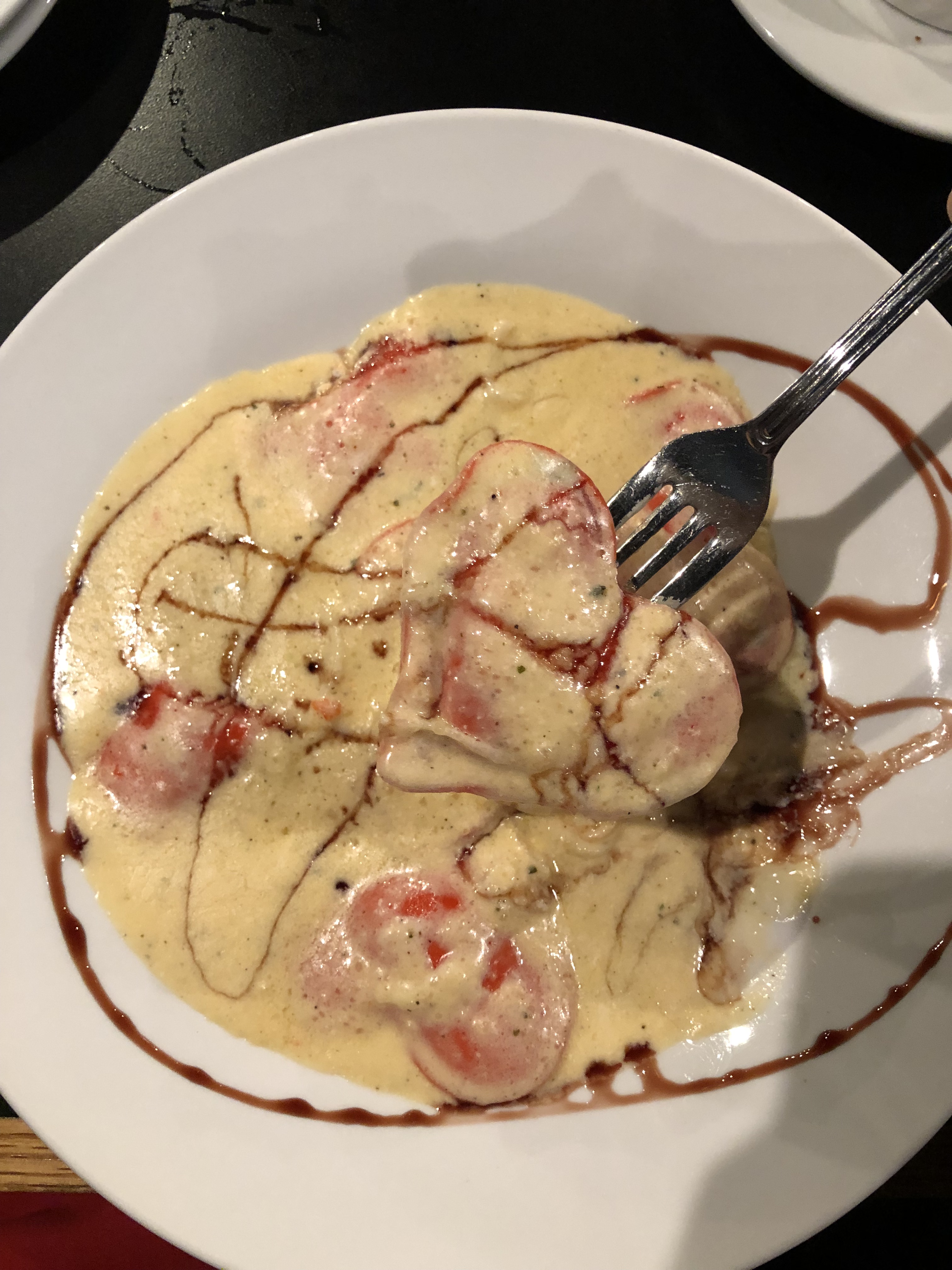
Even though the owner of the restaurant is from Naples, and I knew the pizza would be delicious, I was more interested in pasta. The menu is set up so that you choose the type of pasta and sauce separately. I was in the mood for a short pasta, and I was craving a lighter, tomato sauce. The waitress told us about the daily specials and I tossed the idea of rigatoni with tomato sauce to the side, and ordered “Cuore di Ravioli”, which is heart shaped ravioli in a sage and cream sauce.

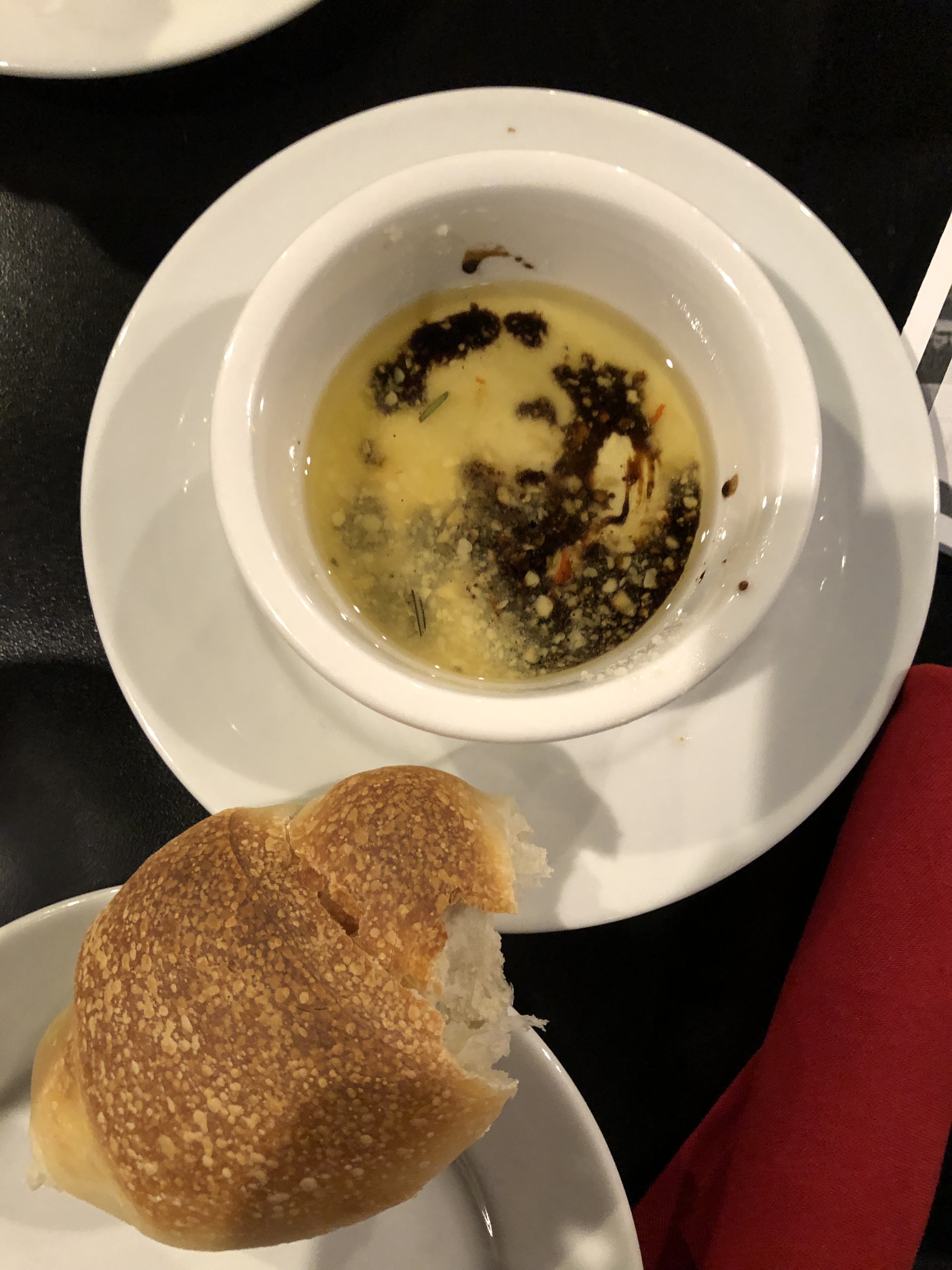
Before our entrees came out, we got fresh bread with a balsamic olive oil blend to dip it in. It was delicious! The balsamic and spices were swirled around in the oil so that every bite of the oil dipped bread had a different flavor.

When the waitress brought out our food, I had major heart eyes! My dish was gorgeous. I was not prepared for the bright red, perfectly shaped ravioli hearts. There was balsamic drizzled on top of the sauce which added sweetness to the savory flavor. There were only 5 ravioli hearts, which doesn’t seem like a lot, but it was very filling. Just a warning, this specialty ravioli had a surprise, heartbreaking price on the bill.

I took a bite of my dad’s food as well, he ordered linguine with carbonara sauce, which is made with eggs, cream, and parmesan. Having never had carbonara sauce, I was surprised by the thick, eggy consistency of the sauce, but it was very yummy.

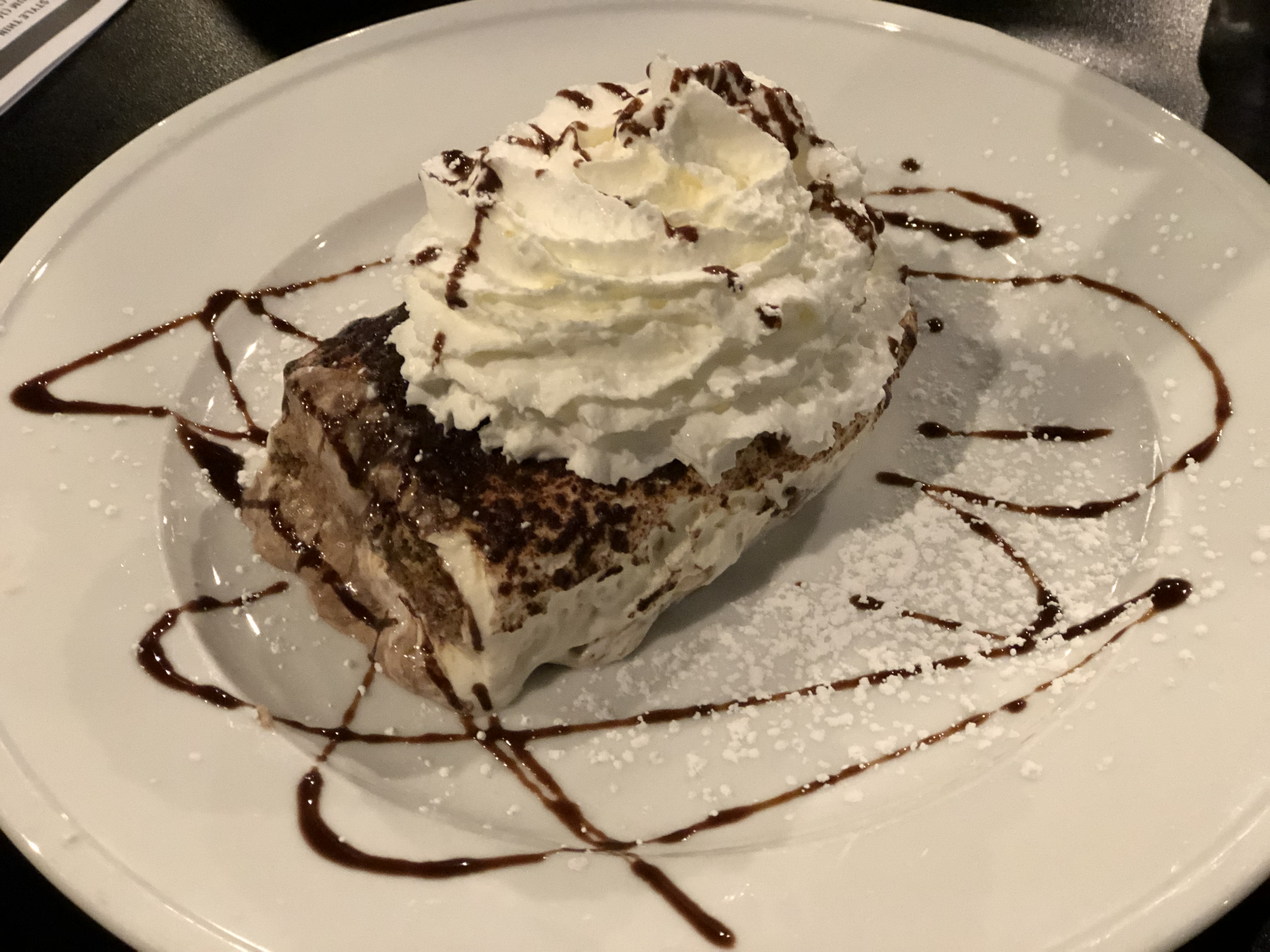
We finished the meal with a hard decision. The homemade Tiramisu or the famous Justin’s cheesecake I had eyed on the way in. Sometimes life gives you decisions you aren’t ready to make, but in this moment I knew what I had to do. I ordered the Tiramisu. It was one of the best tiramisus I had ever tasted. Every bite was smooth and melted in my mouth. It wasn’t too sweet, and was perfectly creamy. If I hadn’t been so full of food, I may have never stopped eating.

Going to Mamma Mia’s was an excellent way to celebrate. There was another person there having a big birthday party, and the owner and wait staff sang “Happy Birthday” to the customer in a megaphone. The food was delicious, authentic, but not cheap! If you want to treat yourself, have a nice meal at Mamma Mia.

A Trip to Capri Flavors

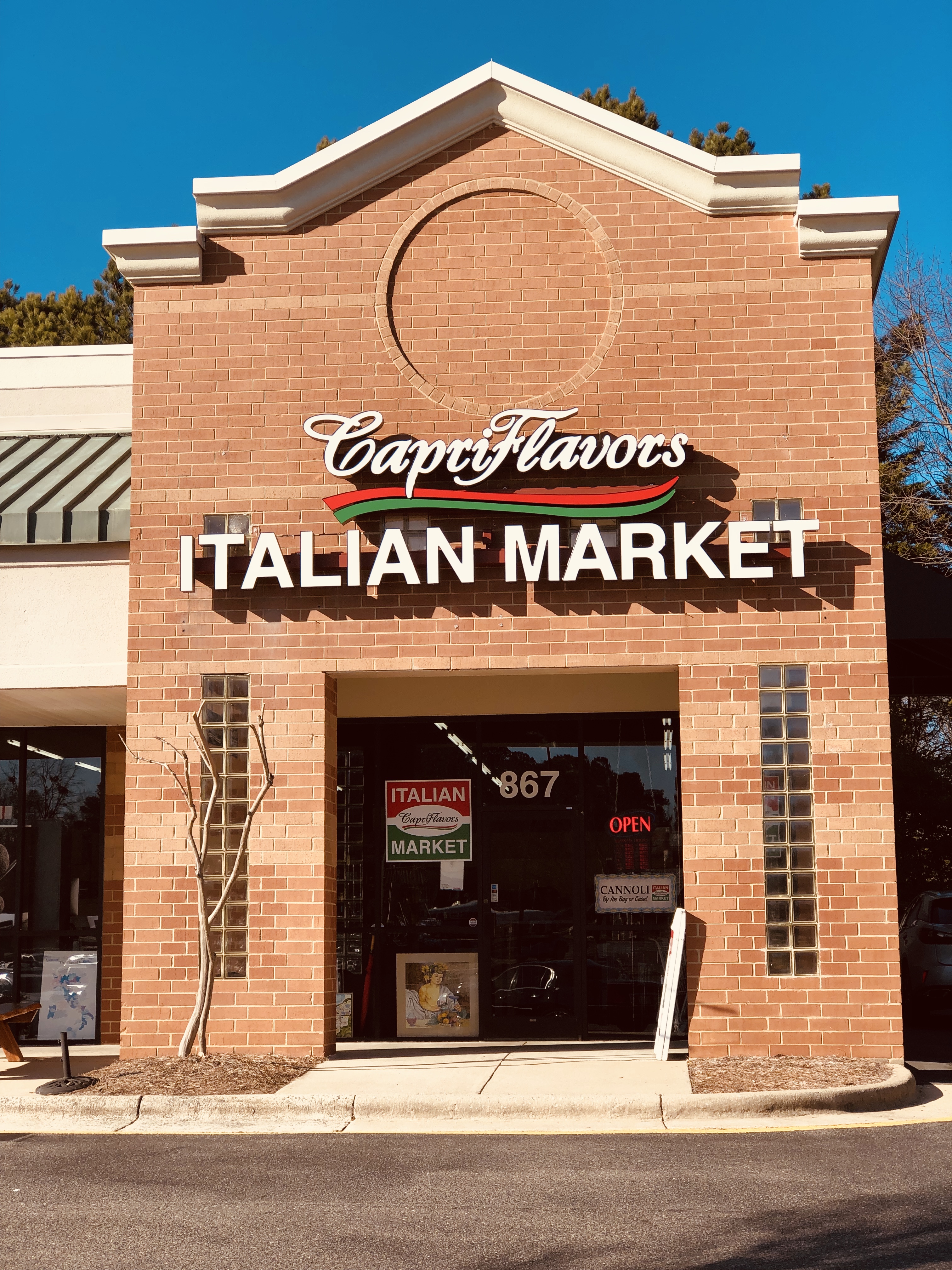
Over the weekend I decided to take on the task of making pasta from scratch. The recipe I chose was for Tagliatelle Verdi, or green tagliatelle noodles. Unsure of the type of ingredients or what type of approach I should take to pasta making, I headed over to Capri Flavors Italian market. Capri Flavors has recently moved to a new location that happens to be two minutes from my house. Each time I go in I am greeted by one of the owners, Costanzo Vuotto, an older Italian man. The first time I went to Capri Flavors, Costanzo told me he did not speak English. “Non parlo inglese signorina,” was Costanzo’s response when I tried to ask where ditalini pasta was. After several more visits I have become more comfortable shopping there, and now know the story of Capri Flavors. The owners are a wife and husband duo, Titina and Costanzo Vuotto. Both are from the Italian island of Capri, known for it’s beautiful scenery and delicious food. Titina and Costanzo’s families have a long heritage of cooking and they continued the tradition in Capri. Their love for entertaining and teaching others to cook led them to the southern United States, and now the lucky residents of the triangle get an authentic Italian food experience at Capri Flavors.

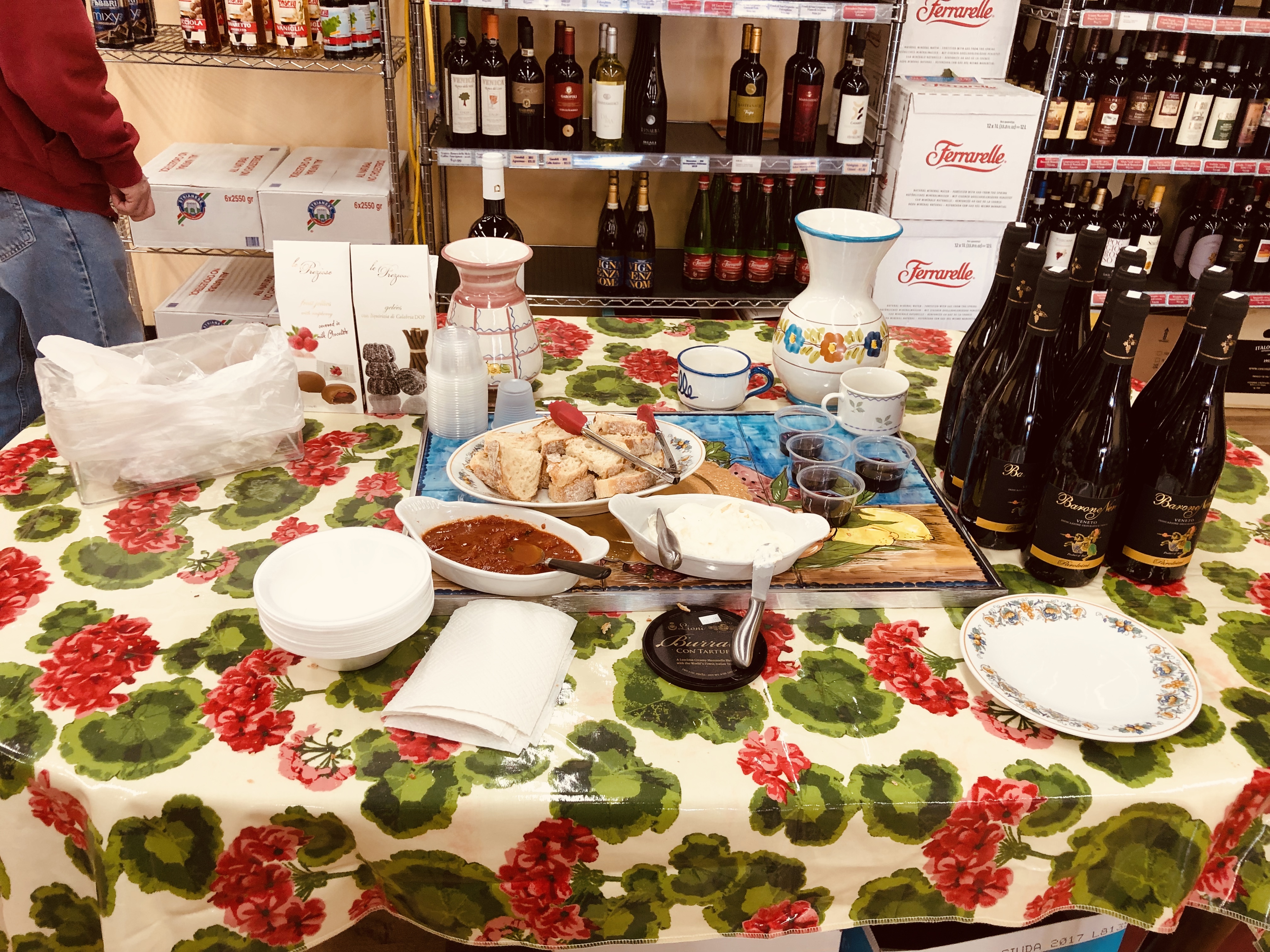
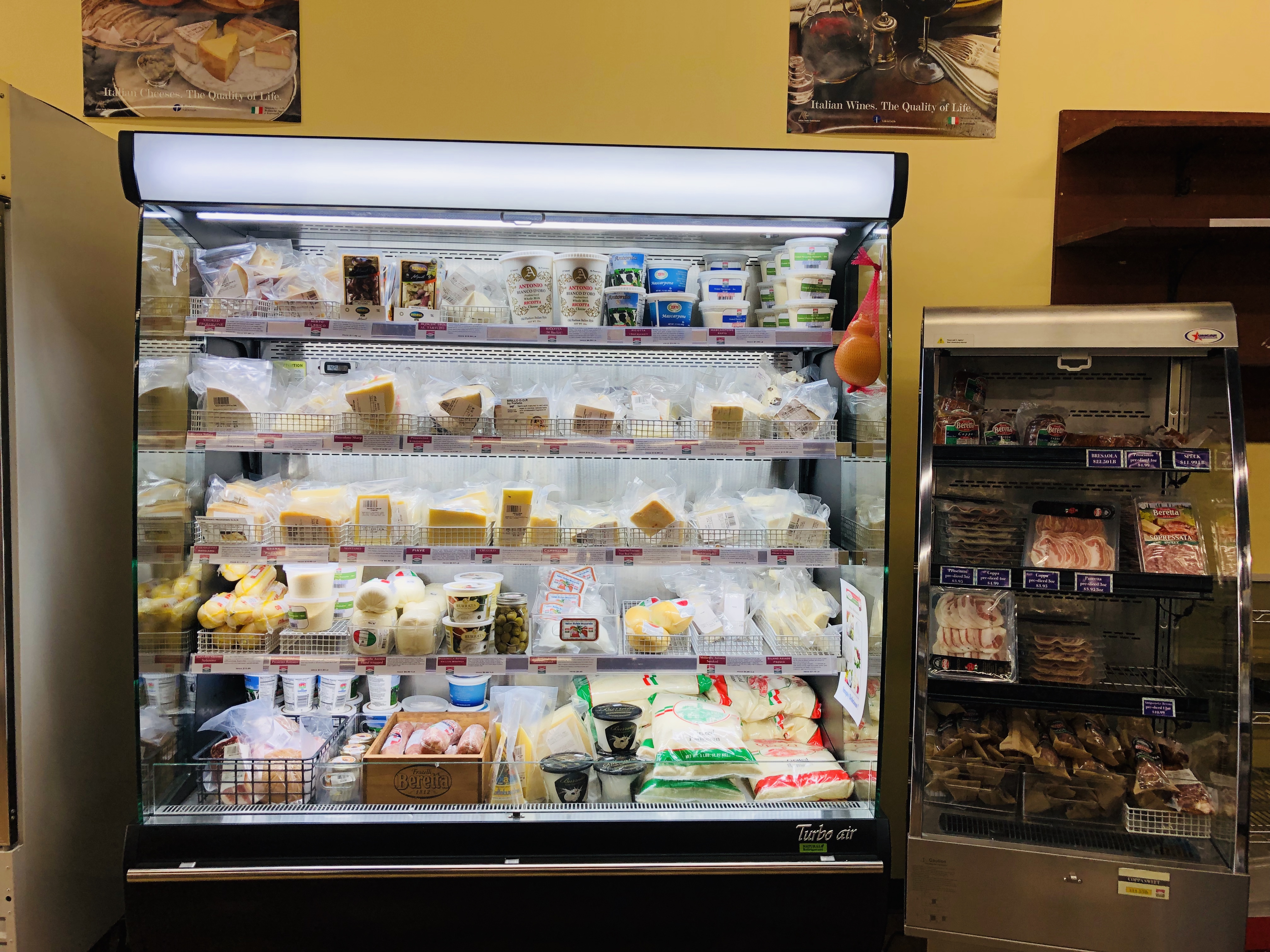
Whenever I visit the store they always have a new display and are adding new items. On Saturday when I walked in they had a fancy new candy display, Italian playing cards, espresso mugs, and tons of truffles. I had prepared and translated a list of questions to ask Costanzo, such as, “che tipo di farina?” or “quanti minuti ho impastare la pasta?”. He was sitting at his desk to the left when I walked into the store. I figured I would leave him be for a little while before getting his assistance. I get excited everytime I go to Capri Flavors. You rarely see this much authentic Italian food and products anywhere in the triangle! I did laps around the store looking at the wide variety of olive oils, cheeses, meats and pastas. They have many premade pastas and sauces you can buy, cooked by the one and only Titina. The homemade pastas are gorgeous, made by an experienced hand. They also have a selection of packaged pastas as well. Capri Flavors has many types of espresso, but it is mostly from the brand Lavazza. Even though I am not yet 21, I went to take a look at the wine selection. In the middle of the wine area there was a beautiful spread of bread, tomato sauce, and fresh mozzarella. There was also little cups of wine from Venice, but I decided to only have bread with the fresh tomato sauce. The delicious crispiness of the bread and the freshness of the pomodori (tomatoes) gave me the courage to approach Costanzo with my questions.

I walked up to Costanzo with my list and timidly mumbled, “scusi”. Costanzo came over to look at my tagliatelle recipe. I began to tell him I was making tagliatelle, I said “io cucina…”. Costanzo cut me off and began asking me about tagliatelle in English. “You are making tagliatelle verdi?” Costanzo asked. I was shocked that Costanzo was speaking perfect English, after telling me he couldn’t speak English months earlier. At that point I felt relief that I would be able to speak with Costanzo in English. He showed me premade tagliatelle verdi they were selling in the store, trying to save me from the process of cooking my own. I had to explain to him that I wanted to make the tagliatelle from scratch. He showed me some nice flours to use for the dough that they carried in the store. I ended up purchasing Caputo flour, tipo “00” which was suggested to me by Costanzo. When I began to ask him about the pasta making process, he admitted that his wife Titina does all the cooking. He pulled out his cellphone and called her to ask about tagliatelle, and then he handed me the phone and walked away. He was a trusting man. I listened as Titina told me the amount of flour (2 cups), eggs (1 egg), and spinach (1 bag) that go into the dough. She told me that once the ingredients were incorporated into the dough that it would be ready to go through the machine (which I don’t have). I thanked her, hung up, and searched for Costanzo to return his phone.

My little Saturday shopping spree at Capri Flavors was an adventure. I feel so fortunate to have an Italian market right by my house with such a rich variety of Italian foods. Going there is always magical for me! Even though I only purchased a bag of flour on this trip, I learned how to make tagliatelle pasta from scratch, and it didn’t taste half bad!

The front of Capri Flavors
A small spread in the wine aisle. The bread was delicious!
Molti formaggi!

Artusi

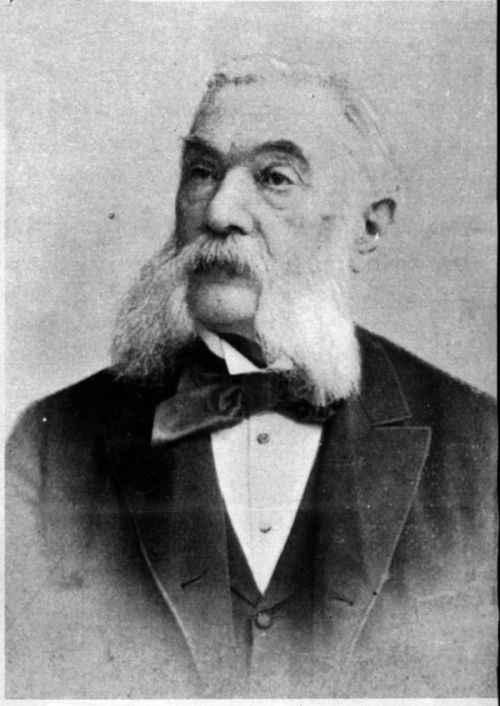
I had never heard of Artusi before entering Italian Cuisine and Culture. Now I know that his name is synonymous with the idea of a cookbook. For a man that possibly never cooked a meal in his life, Artusi is very knowledgeable about the topic of Italian food. Growing up wasn’t a positive memory for Artusi; he experienced horror and tragedy. Then he moved to Florence, once the capital of Italy, and found a passion for the Tuscan cuisine. He wrote over 700 recipes in “La Scienza in Cucina” with witty back stories for the upper class Italians to enjoy. Today the book is known by many and accessible to all.

Design a site like this with WordPress.com
Get started